
Rise of hate speech... platform algorithms push women to the forefront of targeting
Digital space sees unprecedented hate speech rise, fueled by algorithms amplifying shocking content, making women vulnerable to defamation and blackmail campaigns aimed at silencing them.
Roshel Junior
As-Sweida – Amid the massive expansion in the use of social media, digital platform algorithms have become key players in shaping public opinion and directing the content that reaches users daily. With the rise of controversial and violent content, a fundamental question emerges about the role of these algorithms in amplifying hate speech, especially since angry or shocking content often gains higher interaction and spread rates than others.
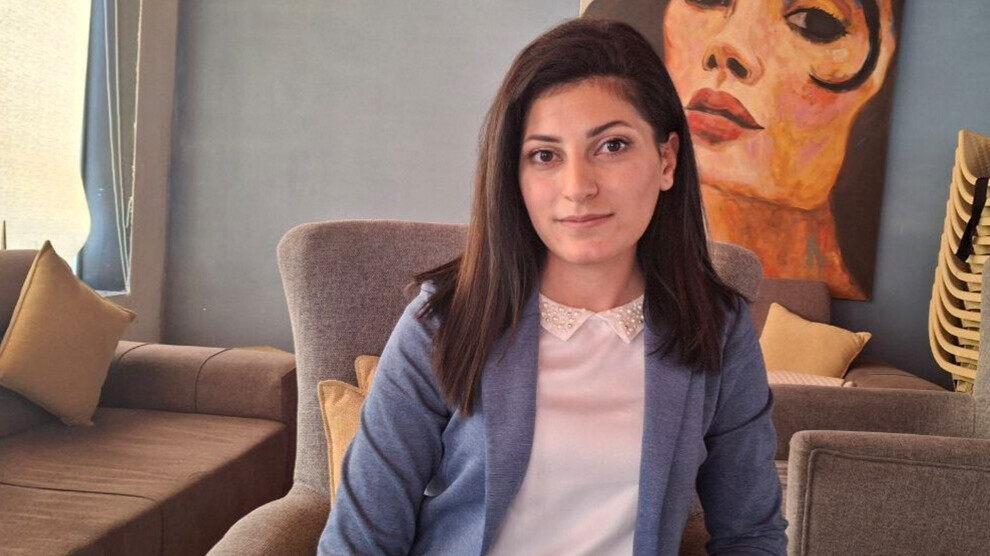
In this context, media professional and academic Sham Naffa speaks about the widespread and unprecedented spread of hate speech on social media over the past year, explaining that platform algorithms play a fundamental role in amplifying this type of content due to their reliance on interaction and sharing rates, regardless of the nature of that interaction or its impact.
She says that content that is shocking, violent, or controversial usually achieves greater spread within society because digital platforms are designed to analyze user behavior and increase the visibility of materials they pause on or interact with. She adds that humans naturally interact more with content that provokes their emotions, whether fear, anger, threat, or even a sense of belonging, which makes hate speech more likely to spread.
She points out that an angry person comments faster than a calm one, so controversial or provocative posts achieve wide interaction, which pushes algorithms to republish them and expand their spread further. She affirms that the platforms' goal may not be to directly spread hate speech, but they reward "trending" content, and trending content is often that which provokes users and stirs their emotions.
Sham Naffa explains that hate speech is not limited to incitement against specific groups; it also includes gender‑based discourse, which is widespread in Arab societies. She links this to the specific situation of women in the social and cultural environment, where women are sometimes used as a tool for pressure or incitement, making them easy targets for defamation, threats, and electronic blackmail.
She adds that activists in the civil, political, or media fields are repeatedly subjected to systematic online campaigns that target their reputation and dignity, aiming to push them to withdraw from the public sphere or limit their role. She points out that interacting with these posts, even with the intention of discussing or defending, practically contributes to increasing their spread, because algorithms consider this interaction as evidence of the content's importance.
Sham Naffa cites what Sweida witnessed after the events of July 2025, explaining that many women who spoke out or documented violations were subjected to smear campaigns, blackmail, and online threats, in an attempt to silence their voices and distance them from their societal role. However, she affirmed that the level of community awareness in Sweida contributed to supporting women and rejecting turning these campaigns into a means of pressuring them.
She stressed that true social security is not limited to solidarity with women after they are attacked; it requires a safe and supportive digital environment that enables women to play their roles freely without fear of defamation campaigns or hate speech.
Speaking of possible solutions, Sham Naffa calls for reconsidering the mechanisms of algorithms so that they rely on evaluating content and its impact before evaluating its spread, in addition to imposing greater oversight and accountability on the companies owning social media platforms to ensure transparency and protect users.
She also affirmed the importance of media and digital literacy, considering it the most important way to protect users from falling victim to hate speech or contributing to its unintentional spread. She explained that users' awareness of the nature of these posts and their provocative goals helps them control their interaction and not be drawn into anger‑inducing or inciting content.
The media professional and academic concluded by affirming that awareness and support for meaningful, calm content remain the most important solutions to confront hate speech and limit its spread on social media.