
law
-
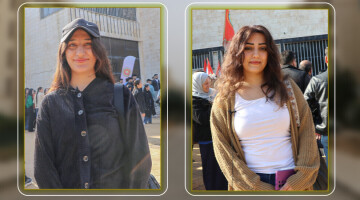
Rojava University students cling to their identity and their right to education in their mother tongue
Amid decisions merging Rojava University with Al-Furat University, education system changes, students' objections escalate, demanding preservation of their university's specificity, academic independence, and right to continue Kurdish-language education.
-
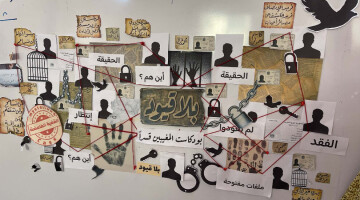
Women of Daraya unite ranks in the “Truth Tent” to reveal the fate of the missing
After the Baathist regime's fall left their loved ones' fate unknown, Daraya women launched the "Truth Tent" initiative to organize families' efforts, confront shock and burdens, reveal truth, and keep the missing issue present.
-
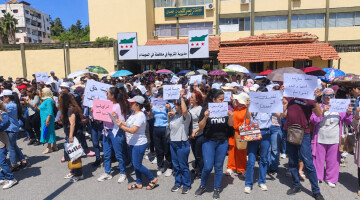
Thousands of resignations threaten Syrian coast schools: female teachers face transfer risks and lost job security
Female teachers on Syria's coast face fateful challenges threatening their professional and living stability after arbitrary transfers and new contract conditions, caught between security risks, financial burdens, and forced resignation.
-
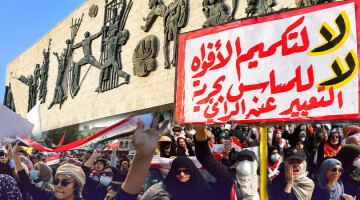
“Freedom of Expression” campaign: a women’s cry to reform laws in Iraq
Amid rising muzzling and security restrictions, Iraq’s “Freedom of Expression” campaign launched with prominent women’s participation to dismantle repressive laws, halt activist prosecutions, and create a safe environment guaranteeing rights.
-
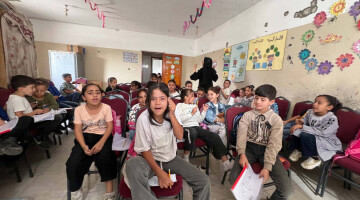
Education near the Yellow Line in Palestine: between danger and the policy of enforced ignorance
The Al-Bureij Association for Community Rehabilitation continues to provide basic educational services to children despite the siege and the encirclement of the area by the Yellow Line, standing firm against the conditions of war and numerous dangers.
-
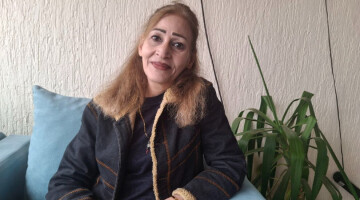
Kurdish and Druze Rights in the Face to Exclusion… A Lawyer Warns of the Repercussions of Sectarianism
Lina Abu Hamdan warned of escalating incitement against Syrian components, saying threats targeting Kurdish students demanding mother-tongue education and remarks against Druze protesters in New York reflect growing risks to pluralism.
-
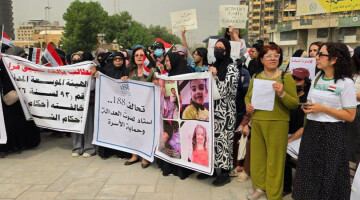
"A Woman's Fingerprint Revolution" Initiative: The Voice of Mothers Harmed by the Jaafari Code
Activist Tahira Dakhel launched "A Woman's Fingerprint Revolution" to document Iraqi mothers' testimonies after the Jaafari Code took or threatened custody, conveying their voices worldwide and pressuring judiciary and parliament.
-
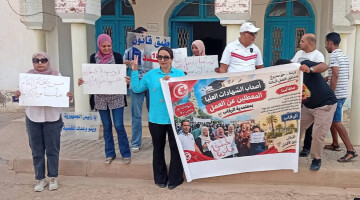
Unemployed Tunisian Women Lead the Front lines in the “Battle for Work and Dignity”
Amid blocked employment prospects and lost years of waiting, unemployed Tunisian women ignited an unprecedented protest movement, breaking social restrictions to lead marches and sit-ins, proving exceptional women’s leadership beyond expectations.
-
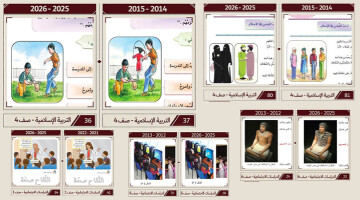
Syrian Curriculum Amendments Raise Questions About Women’s Representation and Cultural Diversity
Syria’s curriculum amendments after the interim government takeover sparked debate, affecting women’s images and historical content, amid fears strict religious discourse is replacing nationalism, entrenching gender stereotypes and obscuring diversity.
-
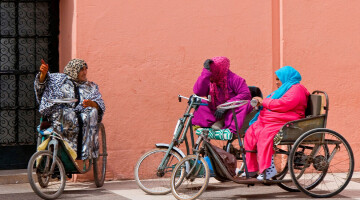
Women with disabilities in Morrocco… Stereotypes and Discrimination Obscure Their Competencies
Discrimination against women with disabilities extends beyond physical barriers and service access into digital spaces, where disability sometimes becomes material for bullying, mockery, and questioning women's capabilities and qualifications.
-
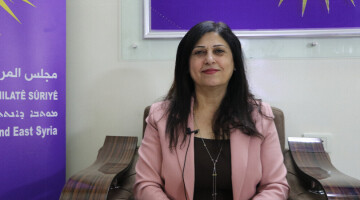
Amina Omar: Guaranteeling Kurdish Rights Begins with the Constitution
Lawyer Amina Omar, Women’s Council member in Rojava, said guaranteeing Kurdish rights in Syria’s new constitution is essential, stressing these rights must be officially included under protection and guarantees.
-
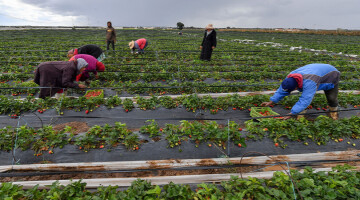
Decree on Female Agricultural Workers Between an Ambitious Text and an Absent Implementation
Two years after Decree No. 4's issuance, Tunisian activists confirmed the social protection system for female agricultural workers remains unimplemented, with no official figures for potential beneficiaries.
-
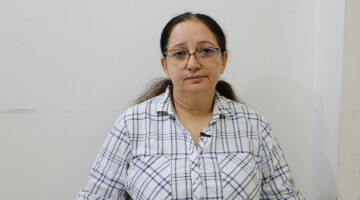
Avin Juma: Weak Laws in Syria Have Led to an increase in Femicide Crimes
Human rights activist Avin Juma warned of rising femicide and escalating violence and sexual assaults against Syrian women in 2026, stressing documenting crimes, accountability, and stronger protection of women’s rights.
-
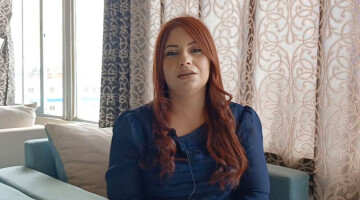
The Recurrence of Sectarian Targeting in Syria Threatens Citizenship and Raises Questions about Accountability
Lawyer Walaa Taj Al-Din believes that the recurrence of Killings based on sectarian identity in Syria reflects a decline in the sense of citizenship, warning that the absence of accountability and the escalation of hate speech threaten shared life.
-
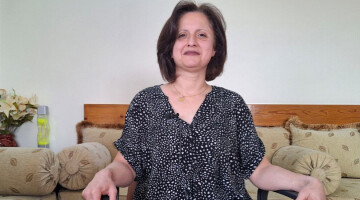
University Admission Conditions in Syria Spark Debate Over Equal Opportunities Between the Sexes
Political and feminist activits Maysaa Al-Nabwani says restricting Syrian university admissions by sex limits female students’ right to choose educational path by qualification, urging review and equal opportunities.
-
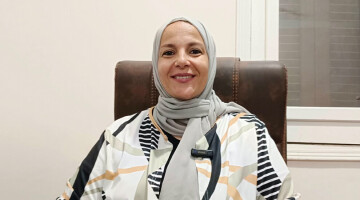
Who Protects Women from Data Leaks That May Turn Them into Victims?
Protecting women from violence is no longer limited to dealing with the assault after it occurs; it begins with preventing the leakage of personal information, images, and private details, whose disclosure or circulation may constitute a source of danger.
-
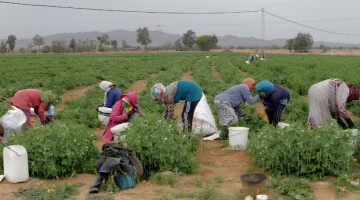
Female Farmers in Tunisia: Awareness of Rights and Challenges in Accessing Protection
Activist Shaima Qasimi said women in Tunisia's agricultural sector, despite knowing their rights and food-security role, face exploitation, harassment, and weak access to information, services, and protective structures.
-
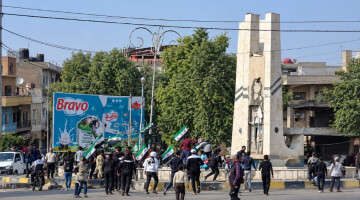
Activists: No National Unity Without Respect for Kurdish Identity and the Rights of Syrian Components
The Hasakah demonstrations raised questions about the contradiction between calls for coexistence and practices targeting Kurdish symbols, amid warnings from Sewdia activists that exclusion and discrimination undermine trust and civil peace.
-
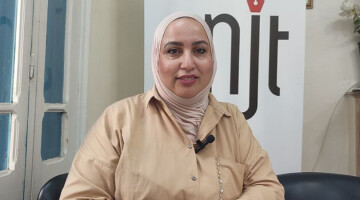
Tunisian Press Faces a “Real Setback” and the Syndicate Calls for Unifying Ranks
Decades of struggle and conflict for the free word were waged by Tunisian journalists, so that the sun of the Tunisian revolution would rise, pushing with a heavy blood bill of victims. But that dream did not last long.
-
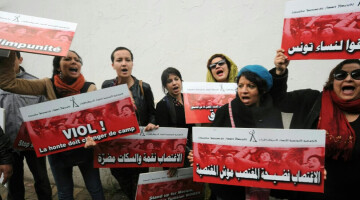
Blaming Victim Instead of Perpetrators: Controversy Over Child Yaqeen's Case
Tunisian activist Dhouha Klali said Yaqeen's case revived victim-blaming, noting discussion went beyond demanding accountability for aggressors to burdening the child and her mother with responsibility.