
The Film “The Help”: A Feminist Reading of the Intersections of Race, Calss, and Gender
The film “The Help” reveals that women do not experience discrimination in the same way, as gender relations intersect with race and class to form varying experiences of oppression and privilege.
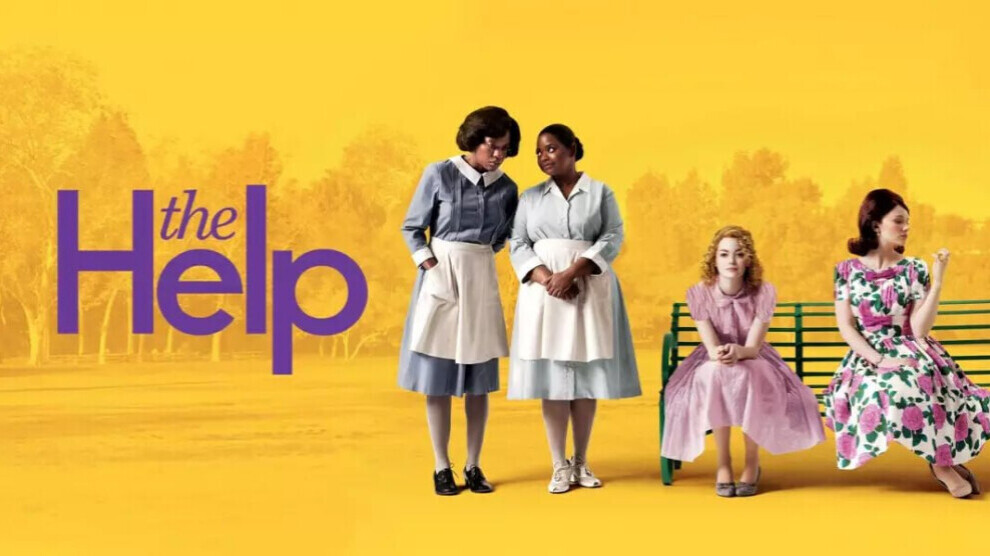
NEWS CENTER_The film “The Help,” through the stories of Black women, addressed the intersection of racial, class, and gender discrimination, and reveals the limits of women’s solidarity in light of unequal privileges and power balances.
The events of “The Help,” an American historical drama film released in 2011, adapted from the famous novel of the same name by Kathryn Stockkett published in 2009, take place in Jackson, Mississippi, in the early 1960s, when segregation and the suppression of civil rights were part of daily life in the United States.
It sheds light on the suffering of African American women in the southern United States during the civil rights movements of the 1960s, who work in domestic service and caring for the children of white families. Skeeter, a young white woman aspiring to write, documents their experiences, revealing an aspect of racial and class domination relations in society.
The feminist reading of the film is not limited to women's presence at the heart of events, but goes beyond that to questioning who possesses the right to speak, how women's experiences are represented, and who holds the power to narrate their stories.
The Home... A Space for Reproducing Discrimination
The film does not depict the home as merely a private space, but reveals its transformation into an arena for reproducing discrimination, as manifested in Hilly's insistence on allocating separate sanitary facilities for Black maids. The paradox stands out in the reliance of white families on these women in raising their children and managing their affairs, in return for subjecting them to discrimination inside the same homes.
Thus, emotional bonds do not cancel out the inequality in rights and status, but reveal the gap between the real value of care work and the low status granted to those who perform it.
This raises a fundamental question: How can true women's solidarity be built in light of the continuation of racial and class privileges? Merely sharing the experience of femininity is not enough to achieve solidarity; it requires recognizing the disparity in social positions and confronting the power relations that keep some women in a position of dominance and others in a position of marginalization.
Liberation for Whom?
The film "The Help" reveals that the home, like society, is governed by power relations in which care and work intersect with racial and class discrimination. It also confirms that empathy and individual support, however important, are not enough to achieve liberation unless the structures that produce inequality are changed.
From a feminist perspective, the film distinguishes between the mere presence of women in the story and their possession of the power to formulate it, and raises a fundamental idea: Comprehensive liberation is only achieved by confronting the privileges and hierarchies that divide women themselves into unequal positions.