
Gaza Health Ministry: Immunent catastrophe threatens patients’ live as generators stop.
Gaza Health Ministry warns of imminent catastrophe as geneator oils deplete amid power outage and infrastructure destruction. It urges internationsl bodies to urgently intervene to bring oil and fuel into the besieged Strip
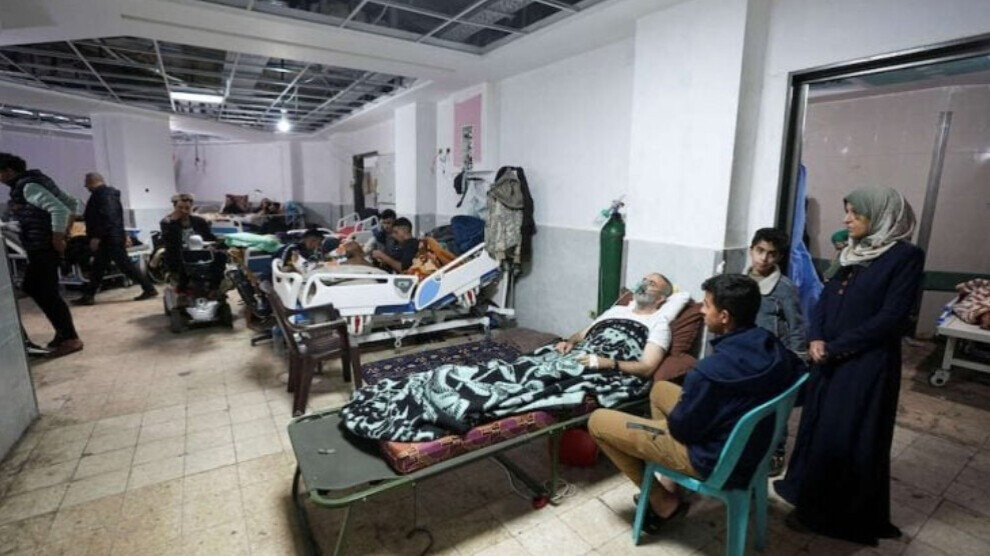
News Center— The Gaza Strip is witnessing a worsening humanitarian crisis, as the war has caused widespread destruction of infrastructure, particularly in the health and service sectors, leading to a near-total collapse of the health system and its inability to meet the population's needs.
The Gaza Health Ministry warned yesterday, Thursday, April 2, of an imminent catastrophe due to the unavailability of oils needed to operate electrical generators in hospitals and health centers. The Deputy Assistant for the Engineering and Medical Equipment Sector in the ministry stated that the lack of available oils in the local market signals a health catastrophe and the actual death of hundreds of patients in critical departments.
He pointed out that the crisis could lead to the spoilage and corruption of children's vaccines and blood units, and the suspension of health services for thousands of patients daily. He appealed to all donor entities to purchase oils for electrical generators from outside the Gaza Strip and work to bring them into hospitals and primary care centers.
He called on international institutions to intervene urgently to pressure Israeli forces to allow the necessary oils in, noting that the monthly need for hospitals is 2,500 liters.
These warnings come amid an unprecedented humanitarian and health crisis in the Gaza Strip since the war between Israeli forces and Hamas began on October 7, 2023, which has caused widespread destruction of infrastructure, including hospitals and healthcare facilities.
Most medical facilities in the Strip rely on generators due to the complete power outage caused by the war, making the availability of fuel and oil a vital matter for continued operation, especially as the Strip suffers from Israeli restrictions on the entry of fuel and medical supplies, along with a severe shortage of medicines and equipment.
The United Nations has again called for opening more crossings into the Strip to enhance the movement of people and goods and expand the scope of vital humanitarian response.
Meanwhile, the spokesperson for the United Nations Relief and Works Agency for Palestine Refugees (UNRWA) stated that humanitarian conditions in Gaza have reached unprecedented tragic levels, amid the near-total collapse of health system facilities and installations. He noted that the Strip's hospitals suffer from a severe shortage of medicines and medical supplies, in addition to a major deficit in operating theaters and intensive care units, with medical staff experiencing extreme exhaustion and being in dire need of replacement and support.
He stressed the urgent need to establish field hospitals, affirming that the heavy rains that hit the shelter camps have exacerbated the suffering of residents, as sewage water mixed with rainwater, leading to the spread of diseases, at a time when the population's health immunity has significantly declined, making their bodies less capable of resisting epidemics.
He pointed out that the repercussions of the economic crisis further complicate the humanitarian situation, as most residents of the Strip cannot purchase basic goods due to high prices and their near-complete reliance on humanitarian aid.