
Report: Sharp Rise in Acute Hunger Expected in 45 Countries as El Niño Impacts Expand
WFP warns,EL Niño will deepen food crisis,with 49 million more facing acute hunger from Swptember,impacting agriculture through 2027.
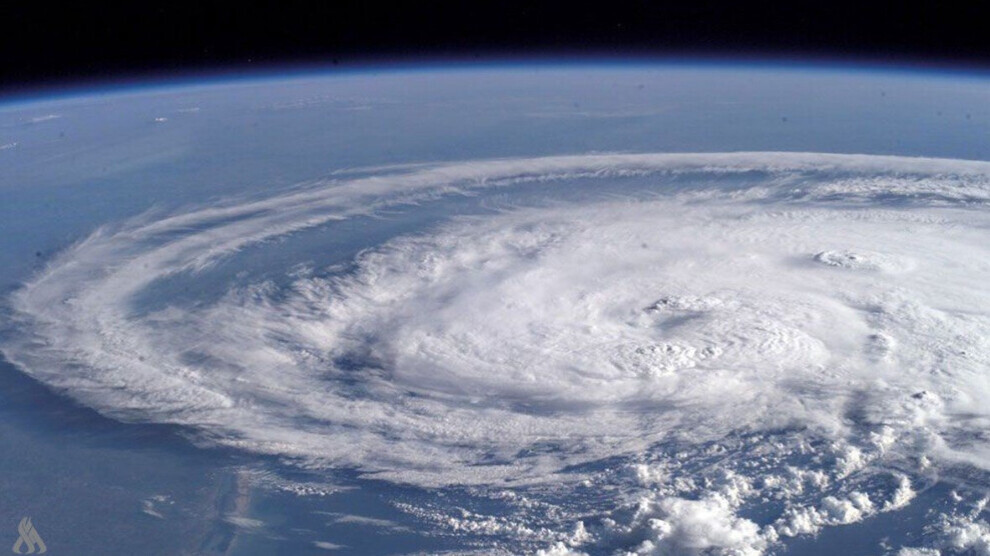
News Center — The impact of the El Niño phenomenon reveals escalating challenges facing the most affected communities worldwide, as droughts, floods, and storms undermine agricultural production and threaten livelihoods, leading to further hunger.
The World Food Programme affirmed yesterday, Wednesday, August 5, that the intensification of the El Niño phenomenon will deepen the global food security crisis, with expectations that the number of people facing acute hunger will rise by approximately 49 million additional people starting next September, as a result of the escalating impacts of extreme climate events.
The Programme explained that it is intensifying, in cooperation with its partners, efforts in eight countries to protect the most vulnerable communities—those suffering from poverty, conflict, unemployment, and recurring climate disasters—by strengthening early preparedness measures against the risks of floods, droughts, and storms.
The Acting Executive Director of the World Food Programme stated that the El Niño phenomenon represents a "huge threat to the food security of millions of vulnerable people," affirming that early action helps save lives, protect livelihoods, and reduce future losses.
According to the report, the number of people suffering from acute food insecurity in 45 countries could rise from 225 million to 274 million—an increase of nearly 22%. Estimates also confirm that every dollar invested in early response saves between three and seven dollars in relief costs and subsequent losses.
The report drew attention to the fact that Central America and Southern Africa will be among the most affected regions, with more than 16 million people in Latin America and the Caribbean likely to be affected, and food insecurity in Central America could rise by up to 83.1%.
The report explained that more than 18 million people in East and Southern Africa are at risk of deteriorating food conditions, while approximately 8.2 million people are expected to join the ranks of acute hunger in Asia and the Pacific, in addition to nearly six million people in West and Central Africa.
The World Food Programme notes that the experience of the El Niño phenomenon during 2015–2016 affected the food security of between 60 and 100 million people, warning that the peak of the phenomenon—expected between September and December—could see its effects extend through 2027 due to its repercussions on agricultural planting and harvest seasons.
The Programme, in cooperation with the Food and Agriculture Organization (FAO), called for enhanced support to the most vulnerable communities, intensifying prevention and early preparedness measures to protect lives, livelihoods, and food security, noting that it has developed preventive plans in more than 50 countries in coordination with international partners and local governments.