
Morocco launches independent civil mechanism monitoring women's rights obligations implementation
Women's, human rights associations, unions, and experts launched Morocco's Civil Mechanism for Tracking Implementation of Obligations on women's and girls' rights, enhancing coordination, equality legislation, and fighting discrimination.
MOROCCO– Morocco is witnessing a remarkable human rights movement to protect the rights of women and girls, as legislative reforms and national initiatives have accelerated to enhance equality, combat violence against women, and achieve their effective empowerment as a fundamental partner in the Kingdom's sustainable development.
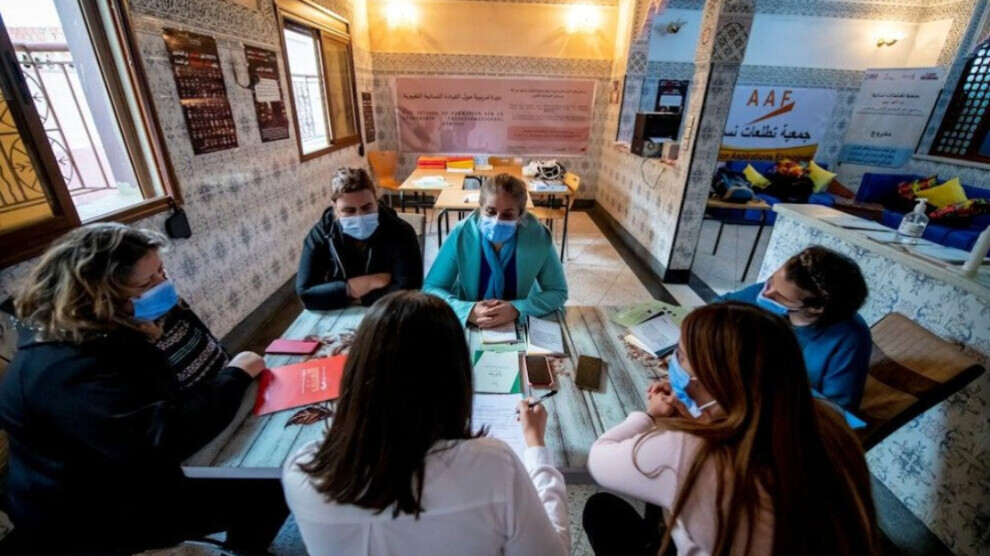
Women's and human rights associations, trade unions, and male and female experts announced the establishment of the "Civil Mechanism for Tracking and Monitoring Morocco's Implementation of Its Obligations" — international and national — in the field of women's and girls' rights, with the aim of enhancing coordination between the components of the women's and human rights movement, and keeping pace with the extent of implementation of obligations related to gender equality.
The statement issued by the founding parties explained that the creation of this mechanism comes from considering the advancement of women's rights and the achievement of gender equality a collective responsibility, and from the belief in the importance of the independence of the women's movement, the diversity of its components, and its solidarity, as well as the role of coordination and joint work in enhancing influence, pressure, and advocacy for the establishment of equality and the elimination of various forms of discrimination and violence against women and girls.
The statement noted that the current challenges facing equality issues impose the development and institutionalization of work mechanisms, in a way that ensures sustainability and effectiveness in tracking and monitoring Morocco's implementation of its international and national obligations related to the rights of women and girls.
According to the same source, the mechanism will work on monitoring the extent to which these obligations are reflected in public policies and national legislation, and on the conditions of women and girls in general, alongside unifying efforts and investing the knowledge and expertise available to its various components.
The founding parties confirmed that this initiative aims to establish an independent and sustainable civil mechanism, working within the framework of complementarity and coordination with other national dynamics and alliances, in a way that enhances advocacy efforts for equality and the protection of the rights of women and girls.