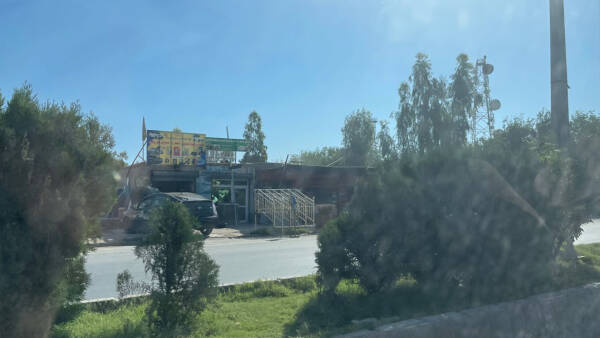
Behind the walls of Nangarhar… stories of women facing violence and deprivation
Nangarhar was once a center of education and enlightenment for women in Afghanistan.But now, women face violence, restrictioins,and harsh traditions, exacerbated by poverty and insecurity.
Bahran Lahib
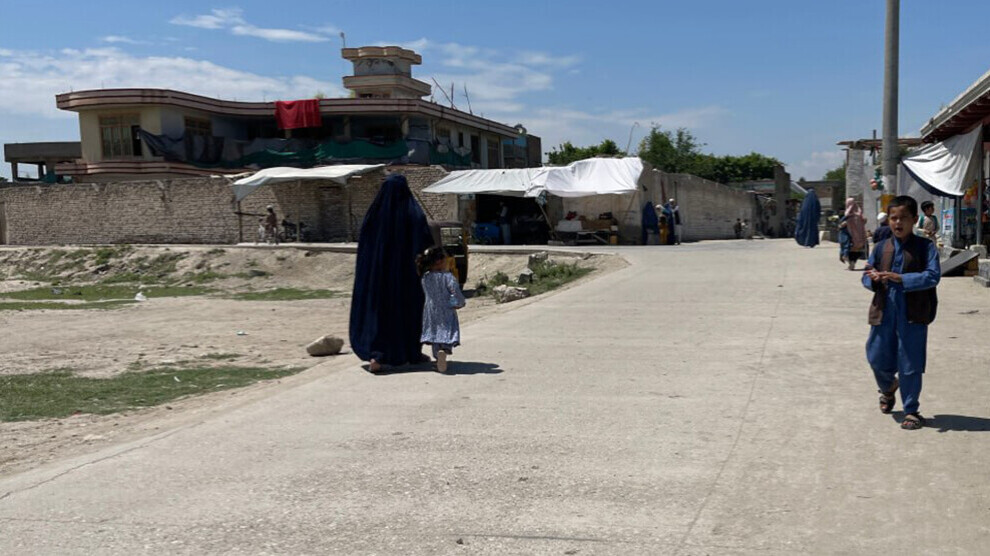
Nangarhar _ Nangarhar is one of the eastern provinces of Afghanistan. Before the coup of April 27, 1978, it was known for its active schools, the spread of the educated class, and women's participation in education. Many families used to send their daughters to universities to complete their studies, and the social climate in this province was less subject to extremist ideas compared to today.
But decades of war, foreign support for jihadist groups, the spread of religious schools, and the suppression of enlightenment and democratic forces have changed Nangarhar's features. Many teachers, civil activists, writers, and educated people were killed, or forced to emigrate and remain silent. With these transformations, women were gradually excluded from many social spheres.
Today, if you enter the city of Jalalabad, you can clearly observe the effects of this change. Women who were once present in schools, universities, and official institutions are now behind the walls of homes, living not only under the burden of poverty and unemployment but also in constant fear of violence and social judgments.
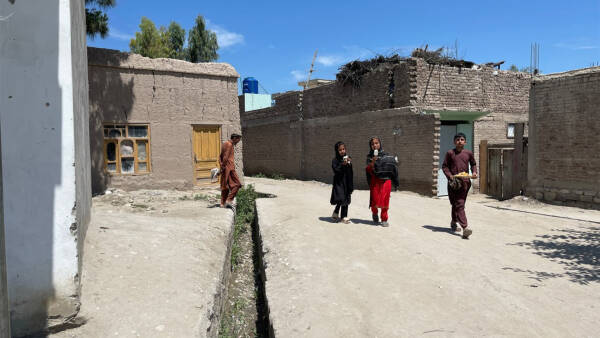
Naseema Wali lives in one of the areas of Nangarhar. She is a mother of six children, residing in a small, dark house with only a few cramped rooms that several families are forced to share. After her husband was killed, she took refuge with her children in the house of her husband's brothers. "My husband was a soldier. His income was limited, but it was enough for us to live. After the Taliban returned to power, he was killed near the house. From that day, everything collapsed over my head."
Today, Naseema Wali bears the responsibility of supporting six children: three teenage girls and three boys, one of them a young child. "The hardest thing in my life is not just poverty, but the fear I live every day inside this house. Sometimes I spend the whole day thinking about what I will feed my children at night, but my greatest fear is for my daughters. Here, when a young girl has no father, everyone thinks they have the right to interfere in her life."
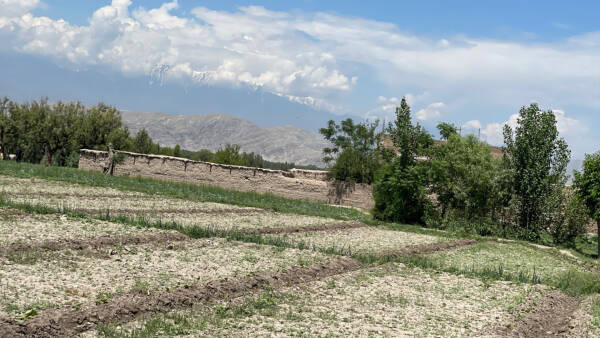
She explains that "one of my husband's brothers, even though he does not help us with living expenses, constantly imposes restrictions on my daughters – from the way they dress to their going out and their speech. A few days ago, he tried to hit my eldest daughter, so my twelve‑year‑old son intervened to defend her, and he stabbed him in the hand with a knife."
The mother stopped several times during her speech. Her daughter sat beside us with her head down the whole time and did not utter a word. The conversation was only interrupted when a man's voice was heard from the courtyard of the house.
In many Afghan families, a woman who loses her husband faces not only poverty but also harsh social pressures. She is expected to be "patient" and to devote her entire life to her children. If a new marriage occurs, it is often not her decision; rather, the husband's family decides her future. In contrast, a man's remarriage is considered normal, even if the age difference between him and his new wife is large. As for a woman who wishes to start a new life, she often faces prejudice, insult, and blame. As Naseema Wali explained: "After the husband's death, a woman loses her right to decide her life. Everyone thinks they can make decisions for her – from her daughters' clothes to their sleeping and going‑out times."
She spoke about nights when she fears for her daughters even to go out into the courtyard, about days when they have nothing but dry bread and tea, and about her constant fear that one of her daughters might fall victim to violence or forced marriage. "Poverty breaks a person, but humiliation burns them more. All I want is for my daughters to stay alive, and not to be shattered like millions of women in Afghanistan."
Naseema Wali's story is not just the tale of one family; it is a picture of the suffering of many women in Nangarhar and other Afghan provinces, where they now live under the simultaneous pressure of poverty, domestic violence, and social restrictions, with no opportunities for work, freedom of education, or a sense of security.
Nevertheless, there are still women who refuse to surrender; women who defend their daughters despite fear, face violence, and try to keep hope alive. Perhaps these small, silent resistances are the last proof that the dream of freedom and justice is still alive in Afghanistan.