
War emissions reach the Kurdistan Region... Polluted rains and threatened soil
Professor Sahar Rashid affirmed that the effects of war do not stop at the borders of warring states but silently extend to surrounding environments, striking soil, water, and air, and ultimately reaching human food and health.
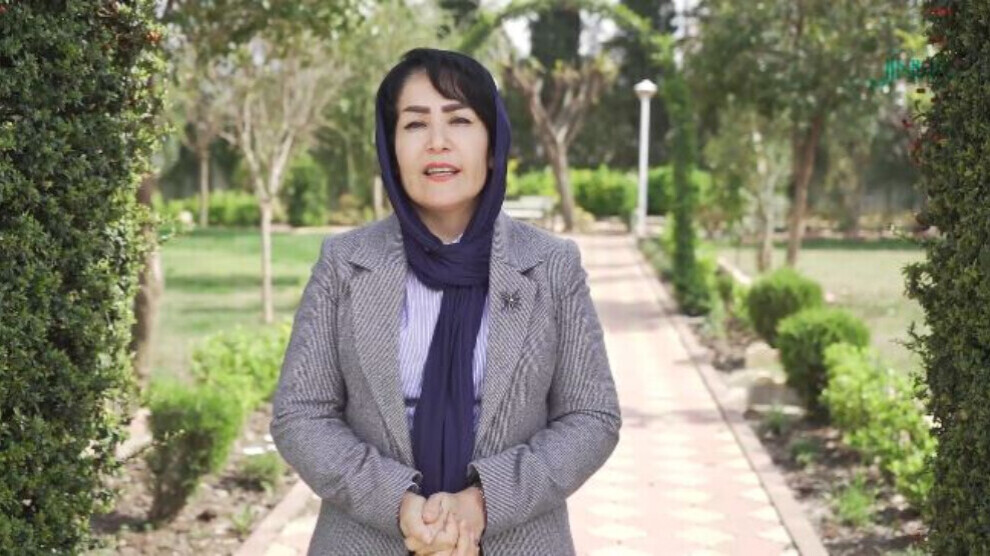
Mehrban Salam
Halabja- War, through phsical and chemical pollution resulting from heavy metals and explosives, leads to the destruction of soil and makes agricultural land unusable, also causing long-term damage.
This destruction, along with the deterioration of infrastructure and reduced production, leads to widespread food insecurity, internal famine, and disruption of global supply chains. Fuel leakage and chemical pollution also lead to the degradation of soil quality, and these damages may persist for decades, as observed in past historical conflicts.
Regarding the impact of the ongoing war between Iran, Israel, and the United States on the lands of the Kurdistan Region, Professor Sahar Rashid, a specialist in food science, says: "The effects of war on the environment reach us in deep and interconnected ways. They not only destroy nature but also strike our ecosystems, food chains, and lifestyles. While humans can flee or move when conflicts break out, the environment remains alone facing destruction, silently bearing harm without the ability to take shelter or recover quickly."
War and its effects on the environment
She explained: "Our environment, primarily composed of soil and water, is directly affected by war. At present, with the ongoing war, black smoke from the burning of oil fields rises into the sky. Additionally, the planes that do not stop flying leave behind fuel emissions that increase air pollution. Furthermore, the bombing of fields generates thick clouds of smoke that extend for thousands of kilometers, making the impact of war transcend the borders of a single region to reach distant areas. Therefore, war is not a limited local event but a phenomenon with wide-ranging environmental consequences."
"War pollutes soil and food"
Sahar Rashid spoke in detail about the effects of war, saying: "War remnants leak into the soil, contaminating it, then move through the food chain to ultimately reach humans. The pollutants that settle in the soil penetrate its depths, reaching groundwater, plants, and living organisms, becoming part of our food and directly affecting our health and lives."
She added: "Water is another victim. Heavy rains in the Kurdistan Region are a blessing, but in war zones, they turn into acid rain. This harms crops, food, and human health, and also harms rivers. Its effects are long-term. Acid rain carries chemicals to the soil, washes away its active elements, and may make it toxic due to elements like aluminum, rendering it unsuitable for agriculture. It also pollutes freshwater. Although Kurdistan is relatively distant, and we see planes in the sky, war remnants are present in the air, and rains have carried them down, making them dangerous. One door was closed on us, but with heavy rains, another door has opened for these pollutants."
"The best solution is to stop importing food from Iran"
As for solutions, she indicated that they could involve stopping the import of food from countries experiencing wars. "We are now in a situation that requires action. The best solution is to stop importing food, especially from Iran. The Kurdistan Region has clean soil and water, and farmers can produce food locally to ensure clean and healthy tables."
She also affirmed that relevant authorities must "support farmers, benefit from rivers and good water sources, keep them away from political influences, and store water for use."
These effects are numerous, but the Kurdistan Region is still relatively protected, according to our interviewee Sahar Rashid. It is necessary for everyone to make plans to return to normal life. "We can now return to local spring plants and stay away from imported products."