
Najiba Khani Galizadeh... From Pioneering Girls' Education to Documenting Kurdish Memory
Najiba Khani Galizadeh dedicated her life to knowledge, feminist work, and documenting Kurdish history, pioneering girls' education and preserving her people's memory through writings for future generations.
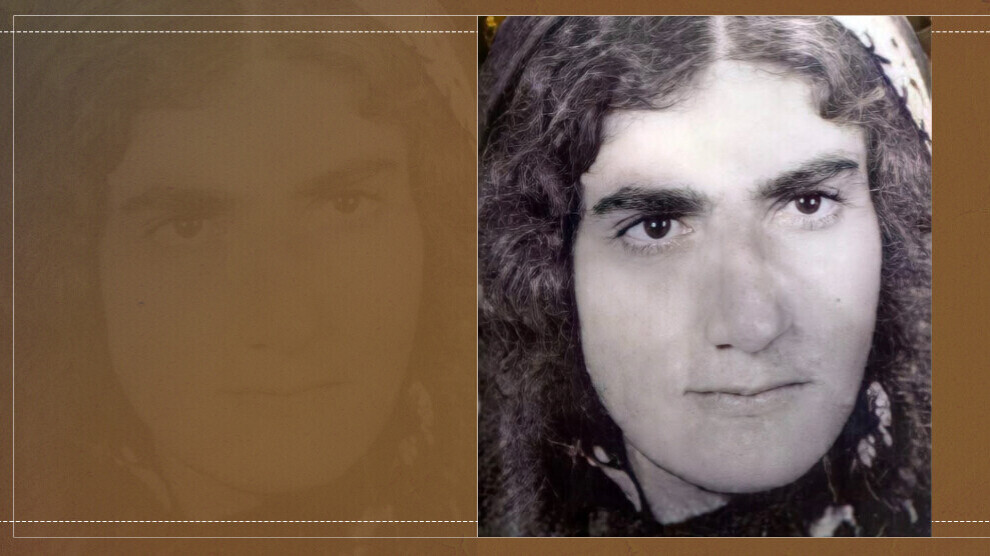
NEWS CENTER– Najiba Khani Galizadeh was not just a woman who opened a path to education for herself; she was also an activist, writer, and researcher who realized that preserving the history of peoples begins with documenting their experiences and voices.
Najiba Khani Galizadeh was born on 8 September 1917, in Koya city, known for its cultural richness and intellectual heritage. She grew up in a family that gave science and education a prominent place. Her father, Mulla Mohammed Haji Abdullah, was a scholar and social poet, and her family environment contributed to shaping her early awareness of the importance of knowledge and its role in the life of society.
In 1924, her father sent her, at the age of seven, to a school attended by boys, at a time when girls' education was not a common matter, and study opportunities were limited even for many boys. This decision constituted a clear challenge to the prevailing social norms at the time.
Najiba Khani Galizadeh proved her academic excellence and was able to reach the fifth grade, making her experience an influential example in her social surroundings. The impact of her education was not limited to her personal career, but also contributed to enhancing the awareness of other families of the importance of educating children, and encouraged them to send their children to schools.
From Education to Work for Women
Najiba Khani Galizadeh did not stop at the limits of education, but moved to social work and struggle for women's rights. In the early 1940s, she supported the Hiwa Party, and worked to raise the awareness of the women of Koya in the Kurdistan Region and encourage them to demand their rights. She later engaged in the Kurdish democratic movement.
In 1953, with the founding of the Kurdistan Women's Union, Najiba played an important role in organizing women. She was secretly elected president of the Kurdistan Women's Union in Koya. In subsequent years, she participated in meetings and public events, and spoke about the role of women in the struggle for freedom, confirming the importance of their effective presence in political and social life.
Revolution, Exile, and Return to Koya
Najiba Khani Galizadeh also participated in the September 1961 revolution. After the collapse of the revolution, she was forced in 1975 to take refuge in Iran, where she lived in exile between 1975 and 1977, facing harsh conditions and numerous difficulties.
After her return, she resumed her social activity in Koya and remained present in public life. In the last years of her life, she moved to Hawler, where she passed away on the night of 11 June 1999, at the age of 82.
The Woman Who Wrote History
Najiba Galizadeh's biography raises fundamental questions related to women's place in history: Who writes women's history? How can their experiences be preserved from oblivion? And why should women not be content with reserving a place for themselves in the pages of history, but also possess an active voice in writing and documenting it?
Najiba Khani Galizadeh left behind a number of manuscripts and important works that reflect her interest in history, culture, and collective memory. The most prominent of these include:
- History of Koya: addresses the city's past and historical memory
- History of the Galizadeh Family: documents her family's history and heritage
- Writings about the events of Kurdistan during the September 1961 revolution: records historical events and presents her vision of them
- Kurdish Folklore: collects aspects of the cultural heritage, folklore, and popular memory of Kurdish society
An academic study conducted at the University of Sulaymaniyah in 2023 also shed light on the importance of Najiba Khani Galizadeh's writings and her intellectual and historical contributions. In her writings, she addressed historical events from her own perspective, highlighted the importance of reading and writing, and called on women to transcend the limits of the home and engage effectively in social life.