
Urmia:From a Permanent Lake to a Seasonal Basin
Urmia,Iran’s largest inland lake,has lost its status as a permanent lake and become seasonal due to unsustainable policies and reduced water alloications.its recovery requires policy shift and a sustainable water flow, beyond reliance on rainfall alone
Saieh Mohabi
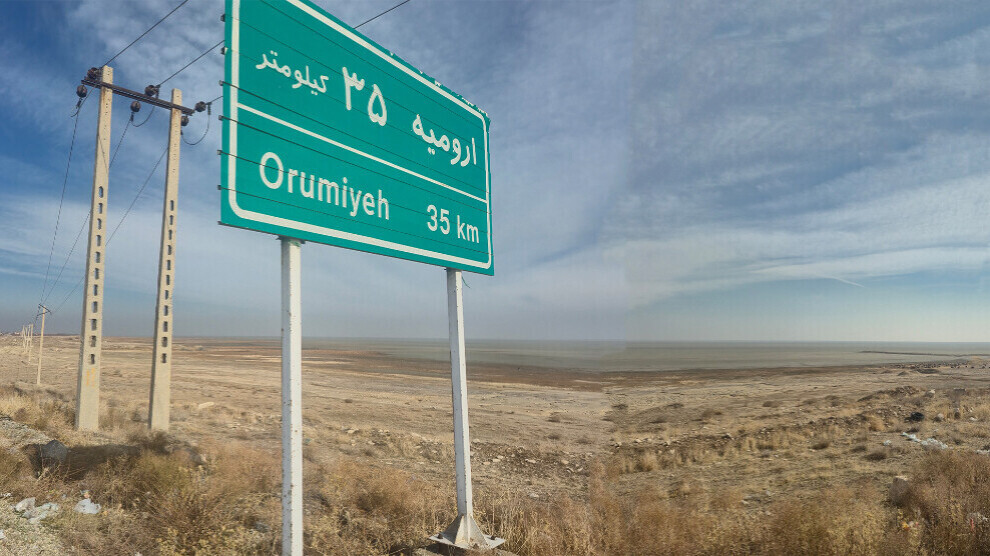
Urmia_Lake Urmia, Iran’s largest inland lake, has suffered a severe decline in water levels over recent decades, reaching a stage of complete dryness, officially declared during the summer of this year.
Four months after Lake Urmia’s total desiccation was announced, recent images circulating on social media suggest a partial return of water. According to some media reports, the lake’s water level has risen by nearly 40 centimeters compared to early October, about two and a half months ago.
Although these images have brought hope and joy to the public, they do not change the reality of the lake’s ongoing drought. Large portions remain dry, and field surveys indicate that Lake Urmia has lost its status as a permanent lake. It has effectively become a seasonal water body, appearing during limited rainy months and returning to near-complete dryness by summer.
The distribution pattern of water within the lake highlights the depth of the environmental crisis. Water level increases are concentrated in the central and northern parts, particularly near the Tabriz–Urmia bridge, while the eastern and southern sections remain dry or nearly dry. Despite growing public demands and warnings from environmental activists, the government has treated the disaster with a security-focused approach in recent years, largely ignoring the severity of the drought. Its interventions have been limited to establishing a “Lake Urmia Restoration Committee” in 2013 and proposing some associated plans, after approximately 80% of the lake’s area had already disappeared.
Environmental activist Shida Karimi explained that the transformation of Lake Urmia into a seasonal lake is not a temporary event but the result of years of unsustainable policies, stalled revival projects, lack of serious commitment to allocating sufficient water quotas, and prioritizing short-term agricultural and developmental interests over the survival of a vital ecosystem.
Karimi noted that despite the formation of multiple committees over time to save the lake, continuous structural changes within these committees, lack of prioritization, incomplete project implementation, and inadequate execution of many plans have prevented any meaningful improvement.
She emphasized that relying solely on natural rainfall is insufficient to save the lake. “Even after fifteen years since the Lake Urmia Revival Committee was established and warnings of complete drying were raised, the first cloud-seeding project in the lake basin was only implemented last month. However, this measure, along with rainfall, cannot alone prevent the lake’s disappearance.”
Experts warn that maintaining the current approach will reinforce the lake’s seasonal nature, bringing widespread environmental, health, and livelihood consequences for millions. Under these conditions, the lake’s true revival requires a radical policy shift, a sustainable flow of water, and acknowledgment of responsibility—a responsibility that authorities have long postponed.