
The pay gap... the invisible tool for entrenching exclusion against women
A study by Takatof Association and Diwan of Human Urbanism exposed pay gap's tragedies for women in Egypt and Tunisia, calling it a structural tool for reproducing discrimination and exclusion.
Zahour Al‑Machreki
Tunis – The issue of the gender pay gap is no longer just an economic statistic or a figure included in annual reports of labor organizations. It has become an invisible structural tool that reshapes the urban and social fabric of cities and entrenches a deep‑rooted pattern of exclusion against women.
When a woman receives a lower wage than a man for the same work, or when she is excluded from the formal labor market and burdened with unpaid care work, the inevitable result does not stop at her reduced purchasing power. It extends to deprive her of one of her most fundamental rights: the right to adequate housing and urban security.
Living in the heart of the contemporary city has become governed by the financial ability to bear its escalating costs – rents, expensive real estate, and basic living expenses. In the absence of fair legislation that protects tenants and sets a ceiling on rents, the gap turns into a wall that pushes women toward the margins and urban peripheries. This forced geographical and class discrimination not only isolates women spatially but also multiplies their transportation costs, deprives them of access to basic services such as health and education, and exposes them to increased security risks during daily commuting.
Based on this, the housing crisis cannot be reduced, nor can true social justice be achieved, without radical reforms in the labor market and economic policies. Empowering women in their right to the city begins first by ensuring wage justice and ends with urban and legislative planning responsive to gender, seeing cities as spaces for production and equality, not arenas for exclusion and marginalization.
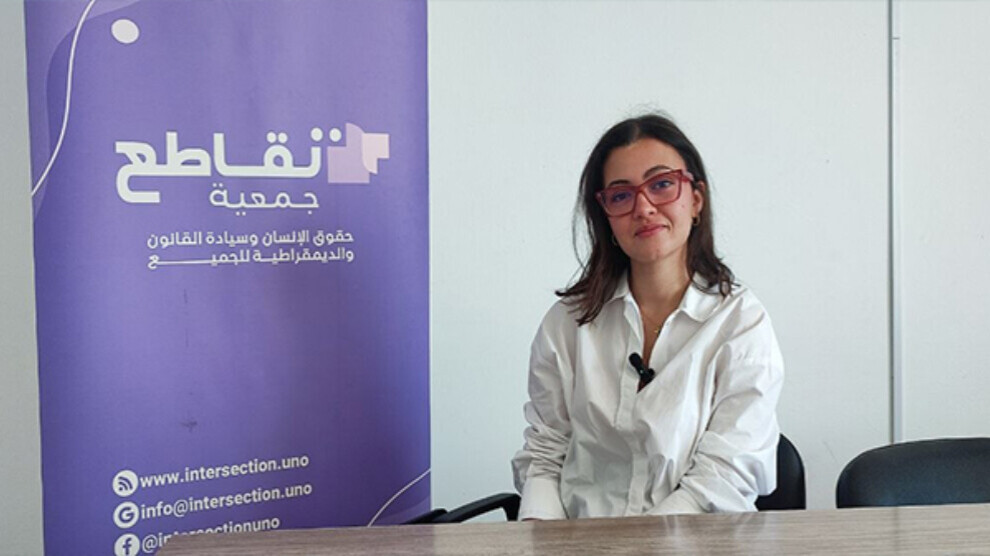
Nadra Obba, a researcher at the "Takatof for Rights and Freedoms" Association, announced the launch of a joint study in cooperation with the "Diwan of Human Urbanism" entitled "Cities as a Productive Factor for Equality," based on a comparative analytical approach between Tunisia and Egypt, highlighting the issue of the gender pay gap and its direct repercussions on undermining women's right to adequate housing and social stability.
The pay gap as a tool for urban exclusion
She affirmed that the pay gap is a key factor in reproducing urban exclusion against women, explaining that the concept of "adequate housing" is not limited to the material and structural aspects of the building, but includes multiple dimensions, foremost among them the financial ability to afford housing costs.
The study attributed these challenges to the lack of structural and economic equality and the weak participation of women in the formal labor market, presenting figures that reflect the scale of the crisis. In Egypt, women's participation rate in the formal labor market does not exceed 18%, while in Tunisia it reaches about 55%. These economic burdens are compounded by women bearing the greatest burden of unpaid care work, which consumes their time and hinders their economic empowerment.
Sharp decline in the ability to afford housing costs
Nadra Obba revealed a clear disparity and alarming figures regarding women's housing security. In Egypt, the monthly income gap exceeds 20% in favor of men, leading to an 80% decline in women's ability to afford housing costs.
In Tunisia, despite the absence of precise official figures on the monthly wage gap, it remains a structural gap that exists, causing a decline in women's ability to afford housing costs by up to 90%. This decline is also linked to the sharp rise in real estate prices and rental costs, along with accompanying living expenses that weigh heavily on women, such as energy costs (electricity and gas) and water.
Absence of legal frameworks regulating rent
On the legislative side, Nadra Obba explained that the most prominent legal challenges lie in the absence of fair legislative frameworks regulating the rental housing market. Current laws in both countries grant landlords almost absolute freedom to set rental prices and annual increases, without government oversight mechanisms or a ceiling on prices commensurate with purchasing power. This legislative vacuum constantly exposes women to the risk of sudden eviction or inability to pay.
She also addressed the problem of "geographical and class discrimination" within the urban fabric. The high cost of real estate in city centers forces vulnerable groups and women to move and live in marginal or distant areas. This unjust geographical distribution entails additional burdens that directly affect women's quality of life, including increased transportation costs due to living far from workplaces, schools, and basic services, a lower level of services and declining infrastructure quality, and a lack of basic services such as health and education in peripheral areas.
The study also noted the security threat and increased security risks and incidents of violence that women may face while commuting to and from those distant areas.
At the conclusion of the report's presentation, the "Takatof" Association called on governmental and legislative authorities in Tunisia and Egypt to adopt a package of urgent structural reforms, including: formulating an integrated approach combining fair wage and labor policies to reduce the economic gap; enacting deterrent laws for the rental system, setting fair ceilings for housing prices and ensuring tenant protection against arbitrary eviction; developing public transport networks and linking peripheral areas to centers of production and services to reduce the class and geographical gap; and adopting gender‑responsive urban planning to ensure the construction of safe and just cities for all groups.
Researcher Nadra Obba stressed that addressing the wage issue and securing adequate housing are two integral and indivisible economic and social rights.