
Years of waiting… where is the suffering of Tunisian female graduates heading?
"Female higher education unemployment in Tunisia has worsened to 31.6%, lasting up to a quarter century after graduation, pushing many into precarious jobs and meager wages."
Naziha Bousaidy
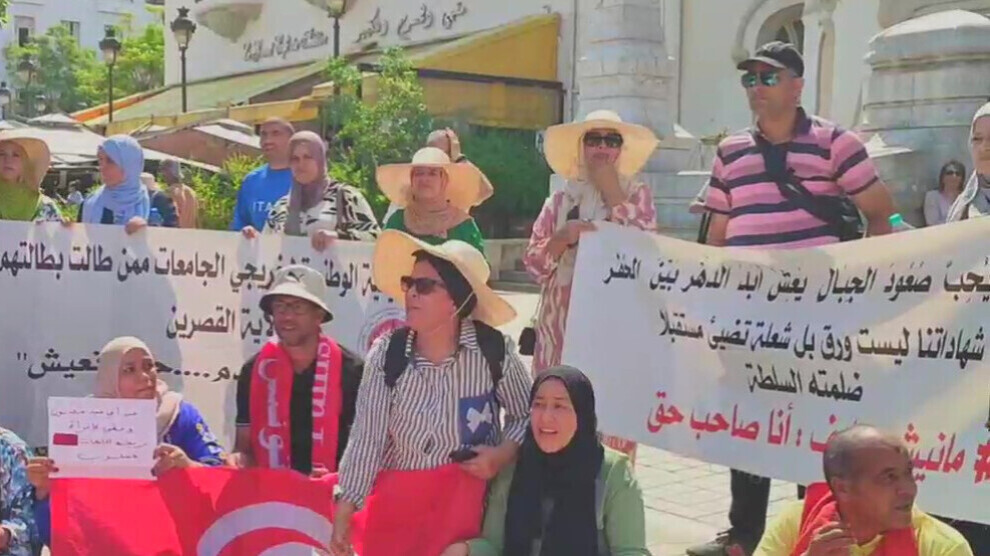
Tunis _ The suffering of unemployed female graduates has increased amid rising living costs and the inability to keep up with price hikes. Many of them have relied for years on family support, without any real ability to cover their own expenses.
This fragile situation has pushed many women to accept unstable work, merely to face life’s burdens and preserve their dignity. Yet the question that many repeat remains: How long will we continue to live this way?
Pity and a condescending look
Nour El Houda Gherslaoui, a Chinese language teacher since 2003, says: "I have been unemployed for 23 years, like thousands of female graduates across Tunisia who face unemployment and suffer from the absence of the most basic elements of a dignified life."
She adds: "We stayed up late during our years of study, hoping to see the fruit of our effort after graduation. But we found ourselves colliding with the reality of unemployment, living under the weight of pitying looks and forced dependence on others to secure our needs. Even our children ask us with painful innocence: Why do we study if we cannot work with our degrees? And how can we convince them of the value of education when we are unable to invest our qualifications?"
Nour El Houda Gherslaoui points out that these harsh feelings are not hers alone, but are lived today by every unemployed university graduate, from Bizerte in the north to Ben Guerdane in the south.
Precarious jobs
Wadad Hammami, a graduate in Project analysis and economic consulting who also studied fashion design, says: “ Despite my competence and multiple specializations, I still suffer from unemployment after 16 years.
She explains that she was forced to work in precarious jobs without her family’s knowledge, because she is the mother of a young girl suffering from severe asthma who needs medication and repeated hospital stays, making her obliged to secure treatment expenses by any possible means.
She adds that many female unviersity graduates, after years of study, effort, and hop efor a better future, have found themselves facing only one option to confront unemployment:accepting precarious jobs such as working as domestic helpers, cleaners, or other progessions.
She says: “I don’t belittle these jobs, but they don’t süit someone who spent long years on school benches, from school to university.”She points out that she suffers from great psychological pressure due to unemployment, and calls fort he activation of laws that guarantee the right of female gradutes to work and dignity.
The employment file between promises and manipulation
Sara Trabelsi saya: “ I have been unemployed since 2008, despits obtaining a bachelor’s degree in business administration.” She adds that that the revolution raised slogans of "employment, freedom, national dignity," but graduates have still suffered for many years from marginalization and high unemployment rates without real solutions. "Governments, presidents, and parties have succeeded one another, but the file of higher education graduates remained an area of manipulation and procrastination."
She points out that today's "suffocating" economic situation has made even salaried workers unable to live with dignity due to exorbitant price hikes, asking: "If someone who has a salary cannot cover their expenses, how does someone with no income live?" She calls for activating Law No. 18 to guarantee the dignity of graduates who have suffered long-term unemployment.
Despite the different stories, the common denominator among thousands of unemployed female graduates remains the continuous search for an opportunity that befits years of study and effort. The suffering is no longer just numbers in official reports, but a daily reality that weighs heavily on women and pushes them toward temporary solutions that neither preserve their dignity nor invest their abilities.