
Amid the rubble, Hiba Al-Jaradi paves a way for Yemeni women in the world of construction
Amid war’s destruction and societal challengs, Hiba Al-Jaradi carved her path in engineering and contracting, turning passion into a Project that rebuilds homes, changes society’s view of women,and becomes a Yemeni model of determination.
Rahma Shanzour
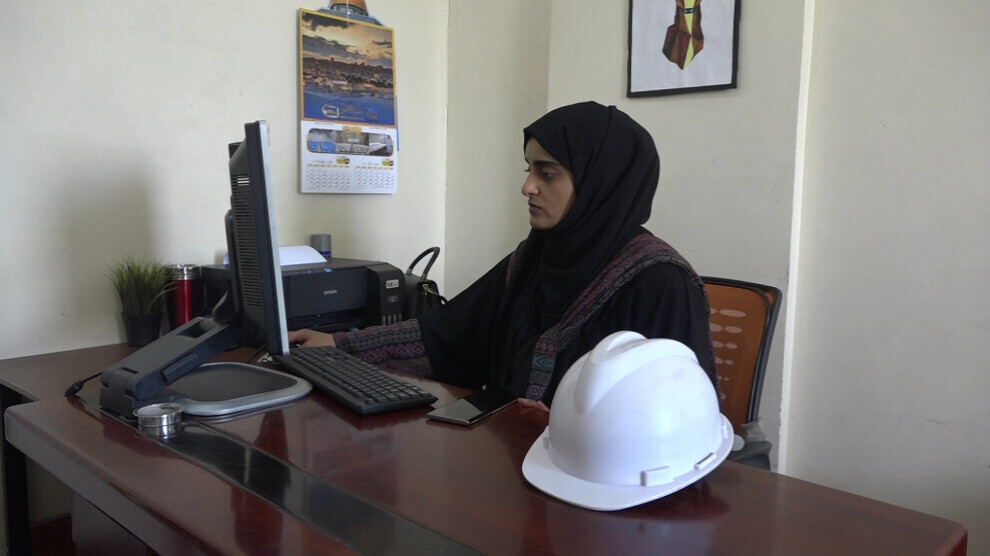
Yemen — Amid the rubble of destroyed homes in Yemen, young engineer Hiba Al-Jaradi, 26, graduated with an unconventional idea: she turned destroyed houses into a promising investment project, opening the door for Yemeni women to enter the world of engineering and contracting, which until recently was exclusive to men.
Passion since childhood... and engineering despite family wishes
Since her university days, Hiba Al-Jaradi believed that real estate and investment in construction were the best way to create real value. She says, "Engineering was a hobby since childhood. Since high school, I had already set my goal. The engineering profession fundamentally allows you to benefit people by building hospitals and schools. The engineer is the foundation of society."
She added, "At first, my family saw that this field was for boys and not suitable for girls. I was initially enrolled to study translation, but my desire was stronger. I studied both: translation to please them, and engineering to fulfill my dream."
Destroyed Taiz... The spark of beginning
After graduating, Hiba returned to the city of Taiz to find a different reality: war had destroyed large parts of the city. "We were displaced. When we returned after the war calmed down, I saw the city destroyed. That's where the idea began."
From there, her first project was launched: a training program targeting women to teach them home repair and interior design, under the name "World of Decoration and Beauty." The program quickly gained wide acceptance, especially among women, becoming a real starting point for a larger project.
About that period, she says, "I started receiving messages on Facebook from women asking: 'My house is destroyed, there is an anti-aircraft gun, there is a shell, how can I fix it?' Because their financial situation was weak, they wanted advice so they could do the work themselves."
And here came the real transformation. "We started with simple courses to teach women how to repair their homes by themselves. The turnout was very high. Women started sending me pictures of themselves repairing their houses. After that, we began taking on larger projects."
Soon, this simple effort turned into a widespread movement: women repairing their homes, documenting the results, and passing on the experience to others. With this demand, the idea expanded into a full-fledged project.
From here, the "Ammar Al-Ard Engineering Consultancy and Contracting Office" was established, which was no longer limited to interior renovation but extended to rebuilding homes, constructing schools, providing comprehensive engineering plans, and delivering projects with high quality.
She adds, "After the World of Decoration and Beauty, we moved into the contracting field. We founded Ammar Al-Ard Engineering Consultancy and Contracting. We started with simple works, then our work expanded."
But the biggest challenge was not technical; it was social. She recounts, "At first, people would ask: 'How can you manage projects while you are a girl?' And the women who came to the office would say: 'Don't tell my husband, because he will refuse that a woman manages a construction project.'"
But Hiba bet on proving herself. "I bet that women repair houses better than men. It was a challenge at first, but we proved our competence." Over time, the image began to change. The quality of work, precision, and adherence to deadlines made her name known across wide areas.
Changing societal perception
Hiba believes that training was the cornerstone of her success. The trainees were not just recipients but partners in pushing for expansion. "They were the ones who encouraged me to open an office, because women prefer to deal with a female engineer who understands their needs."
The biggest challenge in daily work is the difference in work culture. "One of the biggest challenges is that we, as female engineers, are disciplined with deadlines and timeframes. We try to deliver projects ahead of schedule. Meanwhile, some male workers struggle with procrastination and consider delays normal. This is our biggest problem when dealing with men."
Hiba Al-Jaradi's impact was not limited to buildings; it extended to changing society's view of women's role. The change was not limited to women only but extended to some men who were initially reserved before becoming supporters.
Today, Hiba looks at her experience as a first step on a longer path. Her ambition is no longer just local but regional and global, hoping that the Ammar Al-Ard project will expand beyond Yemen.