
Land of Kings and Pyramids… The Northern State Holds Chapters of Sudan’s History
Sudan’s Northern State is among its richest regions in heritage and antiquities, spanning Meroe, Kerma, Napata, Christian Nubian Kingdoms, and archaeological sites thousands of years old, plus Islamic and Nubian antiquities.
AYA IBRAHIM
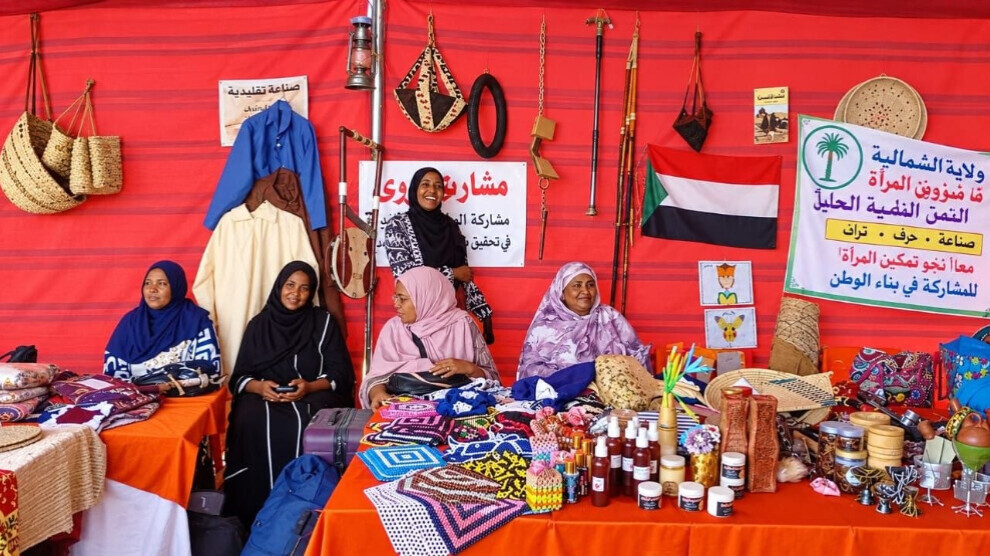
SUDAN – Dongola city, the capital of the Northern State, witnessed touristic and cultural activity coinciding with the celebration of World Tourism Day, within the activities of "Dongola, Capital of Tourism 2026," which extended for five days and included touristic, cultural, and heritage programs and activities with the participation of concerned authorities and those interested in the sector.
These activities come at a time when the tourism sector in the state faces great challenges since the outbreak of the conflict between the Armed Forces and the Rapid Support Forces in April 2023, which was reflected in tourism movement and led to an almost complete decline in the flow of foreign tourists, imposing on the state the search for alternatives to preserve one of its most important economic resources.
In this context, the Northern State turned to activating domestic tourism, by developing touristic infrastructure and diversifying products and destinations, alongside organizing cultural and heritage events, in an attempt to compensate for the sector's losses and restore its vitality. These efforts have begun to yield tangible results with a remarkable growth recorded in domestic tourism movement, reflecting the sector's ability to adapt to the repercussions of the war and open new paths to activate it.
Archaeological Sites Documenting the Civilizations of Ancient Sudan
Jebel Barkal is considered one of the most prominent symbols of the Napatan civilization in the Northern State, as it was an important religious center for the worship of Amun, and includes temples, statues, and royal antiquities. It is part of the site of Jebel Barkal and the sites of the Napatan region, inscribed on the World Heritage List of the United Nations Educational, Scientific and Cultural Organization (UNESCO) since 2003.
Kerma and Al-Daffufa also represent the Kerma civilization that flourished approximately between 2500 and 1500 BC, and is distinguished by the massive Western Deffufa, kings' tombs, and architectural antiquities. It is considered one of the most important sites for understanding the beginnings of the state and ancient Sudanese civilization. The pyramids of Nuri stand out as an important Napatan royal cemetery, containing pyramids of kings, most prominently King Taharqa. It is also within the system of Napatan region sites registered with UNESCO, which confirmed last April the importance of protecting heritage in the Northern State, and linked that to the diversity of its touristic assets and the selection of Dongola as Capital of Tourism 2026.
Antiquities Deeply Rooted in the Civilizations of Ancient Sudan
Najla Ibrahim, an official at the Supreme Council for Tourism and Antiquities in the Northern State, says that the celebration of Dongola as Capital of Tourism for 2026 includes a number of programs, including the opening of touristic and archaeological facilities, considering that an achievement within the festival to reflect the heritage, culture, and civilization of the Northern State.
She points out that among the most prominent touristic and heritage antiquities in the Northern State are Jebel Barkal, Qunti, Wadi Halfa, and the Banganarti Museum, confirming that the civilization of the Northern State has roots extending for thousands of years and reflects the heritage and civilization of the ancient region and represents a prominent landmark for therapeutic, mountain, desert, and Nile tourism.
The antiquities in the Northern State do not belong to one civilization, but represent the succession of the civilizations of Kerma, Napata, Meroe, and the Christian Nubian kingdoms, among others. UNESCO believes that these sites provide exceptional evidence of the Napatan and Meroitic civilization.
The civilization of the Northern State is considered one of the most ancient civilizations in Sudan, with roots extending to about seven thousand years, and from it emerged civilizational and cultural features whose effects extended to other regions, reaching Egypt.
Enhancing Opportunities for Touristic and Economic Development
University professor and heritage and tourism enthusiast Ishtiaq Mohammed Othman confirms that this ancient civilizational heritage represents a source of pride and honor for Sudan and its people, considering that Sudan is a land rich in civilizations and history.
She believes that it is important to introduce this heritage and highlight its civilizational and cultural value to the entire world, reflecting the antiquity of Sudan and its role in the march of human civilization. She stresses that the Northern State is rich in tourism and that the Kuru area is one of the ancient areas with antiquities, in addition to Jebel Barkal, the pyramids of Nuri, and many archaeological areas that represent an attraction for tourism in Sudan.
Tourism in the Northern State is not only archaeological; the state also possesses the Nile, islands, waterfalls, desert landscapes, Nubian villages, and folk heritage, elements that can be integrated with archaeological tourism. Touristic sites constitute a fundamental economic value for a tourism industry that includes tour guiding, transport, accommodation, handicrafts, restaurants, and cultural products, in addition to attracting researchers, archaeological missions, and visitors from inside and outside Sudan.
Touristic Diversity
Abeer Babiker, an official at the Supreme Council for Tourism and Antiquities in the Northern State, says that the state enjoys great touristic diversity, combining ancient history, breathtaking nature, and diverse cultural heritage. She explains that archaeological and historical tourism in the state is represented in a number of important sites, most prominently Jebel Barkal, Kerma, Old Dongola, Okasha Fortress, and Wadi Halfa, with the evidence of ancient Sudanese civilizations these sites abound with.
She added that the state is also distinguished by Nile and environmental tourism, especially in the areas and islands of Mograt, Badin, and Sai, alongside desert tourism and forest and Nile tourism. Its assets also include cultural and heritage tourism, embodied in Nubian heritage, handicrafts, popular foods, and the generosity of hospitality characteristic of the local community.
She pointed out that agricultural tourism represents another aspect of the touristic assets in the state, through the production of dates, mangoes, and citrus fruits, while therapeutic tourism consists of benefiting from sand and sunlight.
She confirmed that the Northern State represents a touristic destination combining the fragrance of Nubian history, the heritage of ancient civilizations, and the magic of Nile and desert nature, making it one of the regions rich in unique touristic, cultural, and natural diversity.
Despite the continuation of the repercussions of the conflict that weakened the touristic attractiveness of the Northern State, alongside the lack of investments and intense competition with other states, the horizons of the sector's recovery remain present, especially with the possibility of developing infrastructure and services.