
"Hunger threatens millions of Yemenis in complex humanitarian crisis"
Yemen once again tops the list of the world’s most dangerous hunger hotsports, after FAO included it among the five worst global food crises, as hunger spreads and living conditions deteriorate.
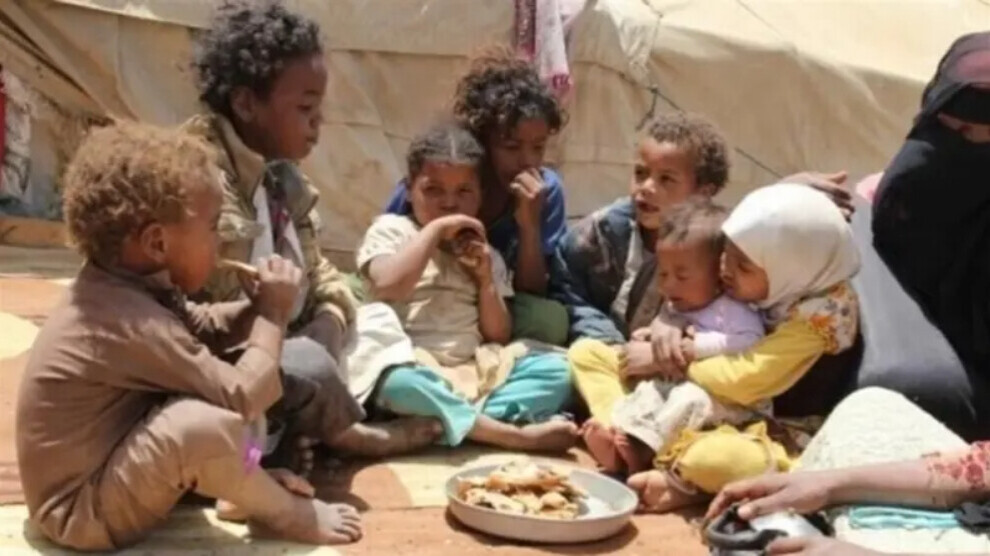
News Center – Millions of people in Yemen face severe levels of food insecurity, reflecting the depth of a humanitarian crisis that threatens the lives of millions in a country exhausted by conflict and economic collapse.
The Food and Agriculture Organization of the United Nations (FAO) has placed Yemen on its list of the five worst global food crises, a new indicator of the depth of humanitarian deterioration the country has suffered for years. This classification comes at a time when hunger is spreading at an alarming rate, amid ongoing economic collapse and a sharp decline in the population's purchasing power.
The report explained that nearly 18 million people face severe levels of food insecurity – a figure that reflects the magnitude of the living pressures bearing down on Yemeni families and confirms that the crisis is no longer merely an emergency but has become a daily reality threatening millions of lives.
It noted that the FAO is working with its international partners to implement programs aimed at strengthening the resilience of local communities and supporting agricultural livelihoods, which are the primary source of food and income for a large segment of the population.
UN estimates indicate that the vast majority of Yemenis are now in urgent need of immediate humanitarian assistance, in one of the most complex and intertwined crises in the world. Years of protracted conflict, deteriorating infrastructure, and rising food and fuel prices have all contributed to pushing the country to the brink of famine.
Experts believe that the continuation of the food crisis in this manner portends serious repercussions, not only on the humanitarian situation but also on social and economic stability in Yemen, where poverty and unemployment rates are increasing, and the capacity of local institutions to provide basic services is declining.
They also warned that any delay in scaling up humanitarian interventions could worsen the situation, especially with the approaching rainy season, which threatens the spread of diseases and a decline in agricultural production.
The international organization affirmed that addressing the crisis requires integrated efforts, including supporting local production, improving access to food, strengthening families' ability to withstand economic shocks, as well as providing sustainable international funding for relief programs.