
Reports: Drought and Discrimination in Tehran Prison Exacerbate Prisoners' Suffering
Acute water shortages, scabies outbreaks, and facility disparities in Tehran's Great Prison highlight Iran's critical prison conditions violating prisoners' rights and dignity.
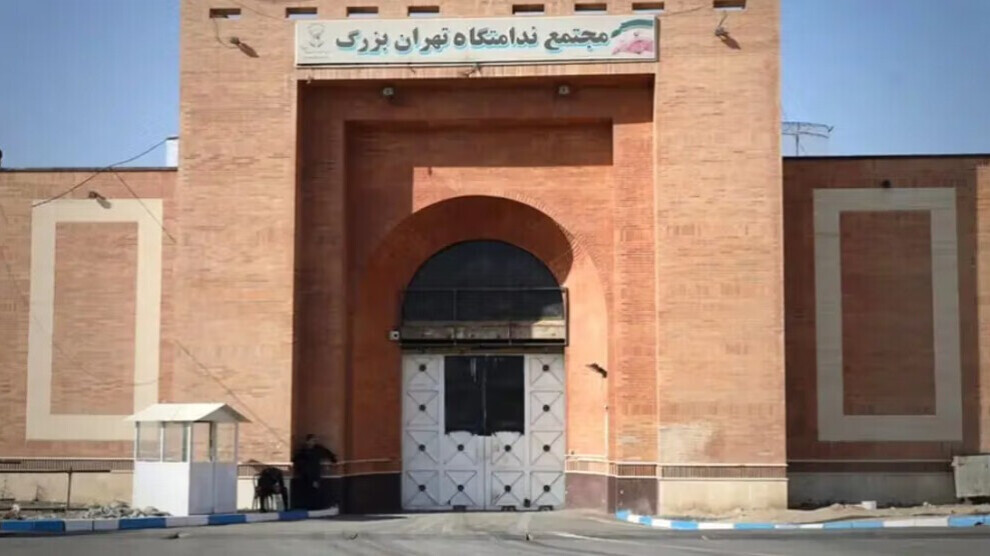
News Center — Detainees in Tehran's Great Prison face escalating deprivation of their basic rights under harsh conditions including water shortages, disease outbreaks, and clear disparities in services between wings, which in turn raise serious concerns about detainees' safety and human dignity.
Conditions inside the first unit of Tehran's Great Prison have deteriorated markedly, according to reports confirming the worsening water crisis, the spread of scabies among prisoners, and acute disparities in services between sections. Sources indicate that these conditions endanger the health of thousands of detainees, while a prominent lawyer described the situation as a clear violation of the right to water and healthcare, calling for urgent intervention and independent prison oversight.
Although ensuring the health and safety of prisoners is a legal responsibility of the government, information emerging from inside the first unit of Tehran's Great Prison paints an alarming picture of prison conditions, including severe building deterioration, acute water shortages, lack of basic sanitary facilities, and the spread of infectious diseases. At the same time, stark disparities in facilities between different prison units have raised serious questions about discrimination and respect for prisoners' dignity.
According to a source inside the prison, in Unit 1, water does not reach many bathrooms and toilets—even the hall called the "health hall" suffers from the same problem. Prisoners are forced to fetch water from other sections using buckets and jugs, and use plastic containers for bathing—a situation that makes it practically impossible to maintain minimum hygiene standards.
Due to water shortages and poor sanitation, scabies has spread widely among prisoners in Unit 1. Many prisoners have suffered from severe itching, skin lesions, and complications from the disease for months. Due to shortages of medicines and treatment facilities, the cycle of transmission continues.
Scabies is a highly contagious skin disease that spreads quickly in overcrowded, unsanitary places. Experts warn that the continued spread of this disease may endanger the health of more prisoners.
Discrimination Between Prisons
While prisoners in Unit 1 face water shortages and lack of basic facilities, reports indicate that Unit 5 of Tehran's Great Prison—which mainly houses prisoners convicted of financial crimes—enjoys much better healthcare facilities.
This clear disparity has raised serious questions about the distribution of facilities within the prison and the extent to which the principle of equality among prisoners is respected. From observers' perspective, this is considered an example of discrimination within the prison environment.
What is happening today in Unit 1 of Tehran's Great Prison is no longer a simple administrative flaw. When prisoners do not have enough water for bathing and toilet needs, while infectious diseases spread in the prison, we are facing a crisis that threatens prisoners' health and human dignity. Furthermore, the continuation of this situation may endanger community health.
The lawyer called for an immediate examination of all prisoners suffering from skin diseases, treatment and isolation of those infected with scabies to prevent the continued chain of transmission. He also stressed the need to send independent delegations to visit the prison, conduct field inspections of conditions, publish results transparently, and provide monitoring opportunities for human rights and civil rights organizations.
He added that prisoners' families and their lawyers should also be enabled to monitor prison conditions and provide information about them without fear of pressure or security clashes, affirming that it is necessary to document these conditions and include them in the reports of human rights institutions and UN mechanisms.
Regardless of the type of charge or conviction, all prisoners have fundamental human rights, and the government is obligated to guarantee their right to water, healthcare, treatment, and dignified living.