
Malnutrition Threatens the Lives of 4.2 million Children and Pregnant and Breastfeeding Women in Sudan
About 19.5 million Sudanese face acute food insecurity, including 5.1 million suffering severe hunger, amid worsening humanitarian needs, ongoing displacement, and insufficient funding to reach millions affected by conflict.
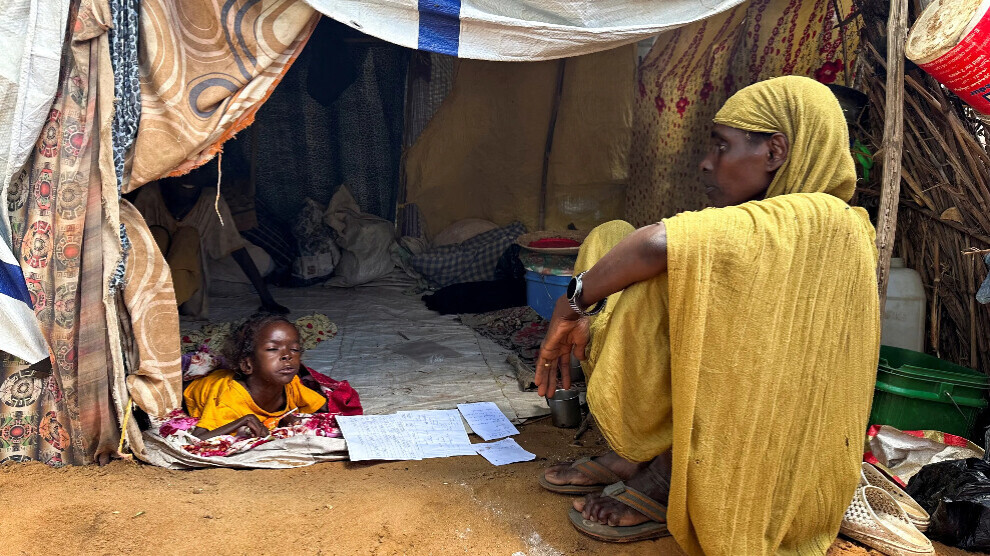
News Center_ The humanitarian situation in Sudan is worsening with the continuation of the conflict for more three years, the decline in funding allocated to humanitarian aid, and the disruption of its access to those in need, which threatens the lives of civilians and increases their suffering.
The United Nations World Food Programme revealed yesterday, Sunday, 27 September, that 19.5 million people in Sudan face acute food insecurity, according to the latest data of the integrated Food Secruity Phase Classification (IPC), while 5.1 million people face the most severe repercussions of hunger, with increasing needs continuing in the country.
The office of the UN programme drew attention to the fact that about 4.2 million children and pregnant and breastfeeding women suffer from mainutrition,noting that the number of displace persons inside Sudan reached 8.8 million people, according to international Organization for Migration data last May, while the number of persons displaced outside the country since the outbreak of the conflict in April 2023 reached 4.6 million people, according to the organization’s data last June.
The International Organization for Migration had renewed its warning several days ago that the supplies of the common humanitarian pipeline it manages will run out within less than two weeks, and its operations may stop completely by the end of the current year, unless more funding is provided. It confirmed that the pipeline is used by more than 100 humanitarian organizations to deliver vital shelter materials, non-food items, and hygiene supplies to those in need quickly and efficiently throughout Sudan, and more than 2.84 million people in Sudan have benefited from it since July 2023.
The organization's spokesperson, Zoe Brennan, stated that the unavailability of adequate shelter for the displaced amid the continuation of fighting, simultaneously with floods and heavy rains, entails increasing risks of disease infection, exposure to gender-based violence, family separation, and forced displacement, especially in overcrowded sites.