
Human Rights Reports Document Deteriorating Conditions for Political Prisoners in Lakan and Shiban Prisons
Political prisoners in Iran's Lakan and Shiban prisons face harsh conditions, deteriorating services, tightened surveillance, and deprivation of basic rights, human rights reports say.
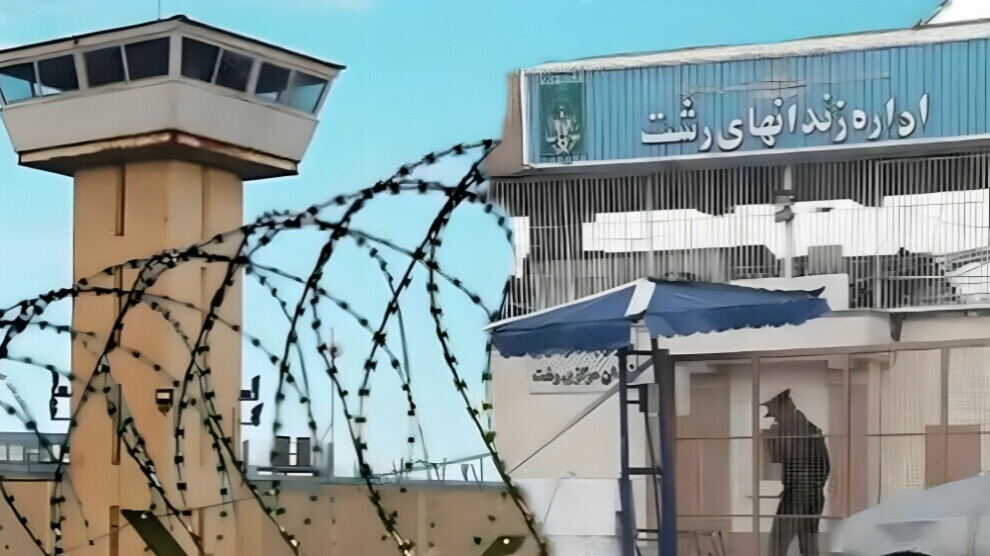
News Center — Recent reports from Shiban Prison in Ahvaz and the "Mithaq" wing of Lakan Prison in Rasht indicate escalating restrictions on political prisoners in Iran, deprivation of basic services, the continued detention of some without the resolution of their legal status, alongside tight security surveillance and poor detention conditions.
Human rights sources affirm that these conditions clearly contradict local legal standards and Iran's international obligations regarding prisoners' rights.
Reports from Lakan Prison indicate that the "Mithaq" wing, which houses a number of political prisoners, continues to face extensive restrictions in living, health, cultural, and communication aspects.
Human rights sources reported that prisoners in this wing, in addition to security pressures, suffer from poor food quality, high prices of basic goods, frequent water and electricity outages, restrictions on in-person visits, as well as continued judicial ambiguity in a number of cases.
According to these reports, the "Mithaq" wing is one of the most security-tight sections of Lakan Prison, under constant surveillance by security agencies through CCTV cameras and wiretapping systems.
A Security Wing with Limited Resources
Informed sources indicate that approximately 15 political prisoners are held in the "Mithaq" wing, which is operated in isolation, with strict restrictions on the inmates' contact with other sections of the prison.
Although the total number of inmates in Lakan Prison, including the women's wing, is estimated at approximately 4,600 prisoners, reports indicate a clear shortage of resources and dilapidated infrastructure, which has negatively affected the level of health, living, and medical services.
Human rights sources affirm that inmates in the "Mithaq" wing do not regularly receive opportunities for outdoor air or sunlight exposure, which may have serious effects on their physical and mental health.
Access to fresh air and daily mobility are considered fundamental rights of prisoners, and depriving them of these rights is contrary to recognized principles of humane treatment of prisoners.
Poor Food and High Living Costs Inside the Prison
Reports also speak of the poor quality of meals provided to prisoners, with informed sources indicating weak nutritional value, driving many prisoners to purchase their basic needs from the prison shop.
At the same time, goods inside the prison shop are sold at prices significantly higher than market rates, compounding the financial burden on prisoners' families and making it more difficult to provide basic necessities.
A Crisis in Essential Services
Among other problems documented in the reports is the frequent water and electricity outages in the "Mithaq" wing. These disruptions, during both summer and winter, have complicated prisoners' daily lives and deprived them of the most basic services.
According to reports, prisoners in this wing, unlike some other sections of Lakan Prison, are denied access to the library and cultural activities. Sources also confirm that these restrictions deprive prisoners of opportunities for reading, education, and participation in cultural activities, compounding the psychological effects of prolonged isolation.
Visits Requiring Months of Waiting
Reports indicate that in-person visits in the "Mithaq" wing are subject to strict restrictions, with only one prisoner per week permitted a direct visit, forcing some prisoners to wait for months before meeting their family members. Families of prisoners describe this situation as compounding the psychological pressures on prisoners and their loved ones.
Among the most prominent concerns raised by the reports is the continued detention of a number of prisoners without the resolution of their legal status. According to published information, four prisoners remain in detention despite a long period having passed since their arrest, without court sessions being held for their trials. They face charges of "enmity against God" (moharebeh), yet a date for the consideration of their cases has not yet been set.
Informed sources described the atmosphere of the "Mithaq" wing as "completely security-oriented," confirming that surveillance cameras are spread throughout the wing, in addition to the monitoring of prisoners' phone calls and constant surveillance of their communications. Human rights activists affirm that this level of surveillance represents a violation of prisoners' privacy and severely affects their psychological well-being.
Shiban Prison in Ahvaz... A Health Crisis Amid Neglect
Concurrently with reports from Lakan Prison, human rights sources reported deteriorating conditions for political prisoners in Shiban Prison in the city of Ahvaz. According to these reports, frequent water outages, contaminated drinking water, sewage overflow, and insufficient sanitary facilities have led to the spread of eye and kidney diseases among prisoners. A large number are also forced to share one bathroom and one toilet, waiting for hours to use them.
Reports also indicated the deteriorating health condition of prisoner Hojjat Al-Mohammad, who suffers from kidney disease and severe dental problems, yet remains deprived of appropriate medical care.
Human rights activists affirm that the continuation of these conditions increases concerns about the health and lives of political prisoners in Iranian prisons, and once again highlights the importance of subjecting prison conditions to oversight by independent bodies and ensuring respect for prisoners' fundamental rights.