
WHO: Wildfire Impact Extends Far Beyond the Flames
Amid expanding climate-linked fires, the WHO reported that wildfire dangers go beyond burn areas, as smoke can travel across cities, countries, and continents, worsening air quality and threatening millions of people's health.
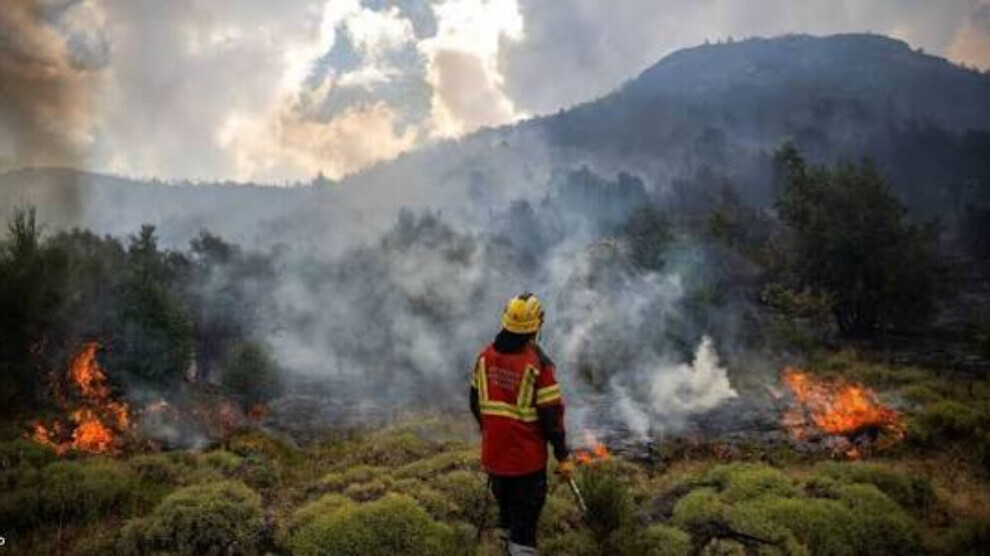
News Center— Climate change is intensifying the likelihood of wildfires, expanding the risk zone to include new areas previously unaffected, deepening the need to strengthen prevention measures and reduce emissions to curb rising environmental risks.
In a new statement issued today, Saturday, August 1, the World Health Organization said the dangers posed by wildfires are not limited to the areas where the flames break out, affirming that wildfire smoke can travel across cities and countries, and even continents, degrading air quality and threatening the health of millions of people.
The organization noted that the widespread fires seen across Europe and other regions this summer serve as a reminder that the health impacts of wildfires extend far beyond the flames themselves, affirming that wildfire smoke consists of a complex mixture of gases and fine particles produced by the burning of trees, plants, buildings, and other materials.
The organization explained in its statement that when fires reach urban or industrial areas, the risk of additional toxic emissions increases, noting that fine particulate matter is among the most dangerous components of smoke, due to its ability to penetrate deep into the lungs and enter the bloodstream, which can cause coughing, eye and throat irritation, headaches, and shortness of breath — while exposure to it can lead to serious complications for people with asthma, chronic lung disease, and heart conditions, sometimes requiring hospitalization and emergency medical care.
The organization addressed the groups most vulnerable to these risks, which include infants and young children, the elderly, pregnant women, people with disabilities, in addition to those living in housing that offers poor protection against smoke infiltration, people without shelter, as well as emergency responders and those working outdoors.
It stressed that many fires result from human negligence, such as discarding cigarette butts or lighting fires in open areas, but that climate change, rising temperatures, drought waves, and shifting rainfall patterns have significantly contributed to increasing the likelihood of fires breaking out and the extent of their spread, explaining that wildfire smoke does not recognize geographic borders.
The organization urged the public to monitor air quality indicators and follow the instructions of local authorities, even if the fires are occurring at a distance.
Dorota Jarosińska, from the European Centre for Environment and Health, said that smelling smoke means it is present in the air being breathed, requiring efforts to limit exposure, particularly among the most vulnerable groups, noting that shifts in wind direction can suddenly carry smoke elsewhere, making it necessary to follow updates issued by relevant authorities.
The organization also called for preventive measures, including following the guidance of authorities, reducing outdoor activities while smoke is present, maintaining indoor air quality, seeking out areas with cleaner air when possible, and consulting health authorities if symptoms linked to wildfire smoke inhalation appear.