
The Brontë Sisters: A Family That Resisted Isolation and Loss Through Writing
The Brontë sisters transformed isolation, loss, illness, and social restrictions into enduring literature, leaving a remarkable legacy that continues to shape and inspire readers across generations today.
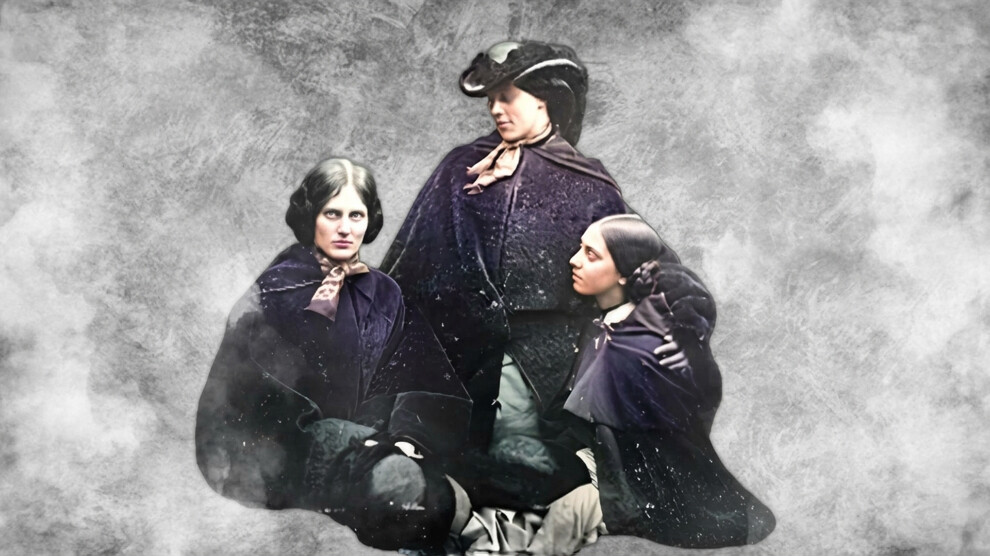
News Center_In the village of Haworth, located in Yorkshire in northern England, Charlotte, Emily, and Anne Brontë grew up in the home of their father, the Reverend Patrick Brontë, alongside their brother Branwell.
The family endured difficult circumstances following the death of the children's mother, Maria Branwell Brontë. The two elder sisters, Maria and Elizabeth, also died of illness during childhood. Thus, death and loss became an early part of the family's life.
The house was also surrounded by a harsh natural environment of vast rural landscapes, moorlands, cold and rainy weather, and social isolation. Within this environment, the sisters' imagination expanded, and their literary world began to take shape.
From Isolation to Literature
Literary life was not easy for women in Victorian England. Opportunities for women in education, employment, and publishing were limited, while the literary world was largely dominated by men.
Nevertheless, the sisters continued to write. When they decided to publish their first works in 1846, they adopted pseudonyms that concealed their gender:
- Charlotte Brontë: Currer Bell
- Emily Brontë: Ellis Bell
- Anne Brontë: Acton Bell
Using pseudonyms was a way of overcoming the prejudices directed toward women writers and allowing their works to be read without preconceived assumptions about their gender.
Three Novels That Created a Lasting Legacy
The sisters' works soon revealed three distinct literary voices.
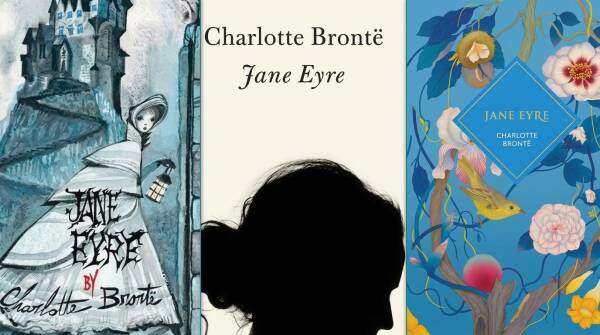
Charlotte Brontë wrote Jane Eyre, a novel that presented a female protagonist determined to preserve her dignity, independence, and emotions in the face of social constraints.
Emily Brontë, meanwhile, wrote her only novel, Wuthering Heights. The novel combines passion, conflict, revenge, and the harshness of nature, and it later became one of the major classics of English literature.
Anne Brontë wrote The Tenant of Wildfell Hall, a novel that addressed bold social and moral issues for its time, including marriage, violence, addiction, and women's rights.
Although the three sisters grew up in the same house and shared many of the same circumstances, each developed a distinctive literary voice and artistic identity.
The Journey to London and the Revelation of Their Identities
As the novels became increasingly successful, the literary world began to question the identities behind the pseudonyms. Some readers and critics even suspected that the three names belonged to a single writer.
In 1848, Charlotte and Anne travelled to London to meet their publisher, George Smith, after problems arose concerning their identities. There, they revealed the truth about who they were. The mysterious authors were, in fact, two sisters from a remote rural village in Yorkshire.
Emily, however, was more protective of her privacy and did not wish to abandon her pseudonymous literary identity.
After Emily and Anne died in 1848, Charlotte took responsibility for preserving her sisters' literary legacy. In 1850, she openly revealed their true identities in a preface she wrote for a new edition of their works.
An Early End and a Lasting Legacy
Emily died in December 1848 at the age of about thirty, followed by Anne, who died in May 1849 at the age of twenty-nine.
Charlotte continued writing and, in 1854, married Arthur Bell Nicholls, her father's assistant at the church. Her life, however, did not continue for long after her marriage. She died in March 1855, at the age of thirty-eight, during pregnancy, with her death associated with complications related to pregnancy and illness.
Despite the brevity of their lives, the literary legacy of the Brontë sisters far outlived their circumstances. They transformed isolation, loss, illness, and social restrictions into enduring literature, proving that a small and isolated world could produce works capable of transcending the boundaries of time and place.