
"Jin Jiyan Azadî"... An Uprising That Changed the Equation of Silence
Women human rights activists from Kurdistan confirm that confronting repressive policies is society's shared responsibility, not women's alone, and that Iranian authorities seek to limit youth and women's communication spaces.
HELEN AHMED
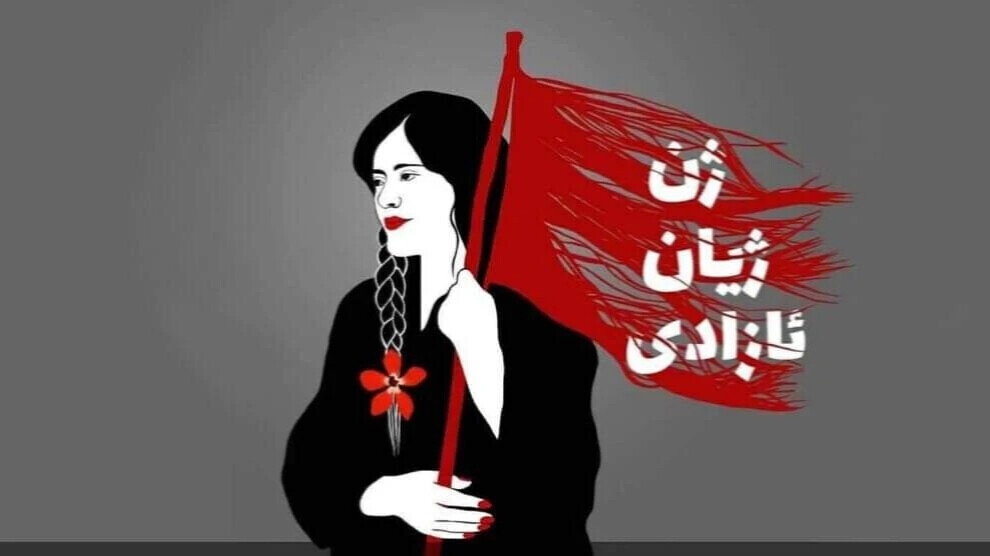
Sulaymaniyah – The repercussions of "Jin Jiyan Azadî" are no longer confined to protest streets; they have extended to the consciousness of women and youth and the way they are present in society. Between the continuation of restrictions and the rising demands for freedom and participation, questions emerge about what has changed after the uprising, and to what extent women and youth have been able to break the spaces of silence.
"Confronting the Islamic System in Iran Is Everyone's Responsibility"
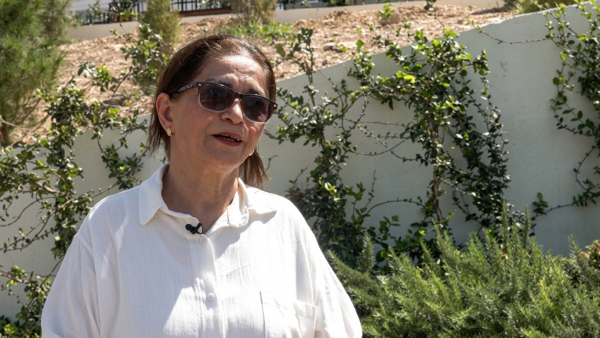
Activist Jaiman Jawan Roudi believes that confronting the Islamic system in Iran is not the responsibility of women alone, but falls on both sexes together. She pointed out that the Islamic Republic of Iran has practiced, for more than 47 years, policies of repression and restrictions against women in the region, and that these policies were not limited to official laws, but extended to family and social life.
She explained that the Iranian system, before the Jina Amini uprising, imposed broad restrictions on women and entrenched men's authority over them, which made women's lives more difficult and pushed them to bear the burdens of housework. She noted that the issue was not related to clothing alone, but to a patriarchal social system that viewed women as subject to men's authority and imposed forced marriage on them in some cases.
From Compulsory Hijab to Protest in the Streets
Jaiman Roudi explained that the imposition of the compulsory hijab was not limited to state institutions; this mentality, in her view, was also reflected within some families, where women and girls were forced to adhere to strict rules related to clothing and the appearance of hair.
After the launch of the "Jin Jiyan Azadî" uprising, men took to the streets alongside their sisters, wives, and children to protest against the imposition of the hijab, and matters reached the point where some of them threw away and burned head coverings.
Jaiman Roudi believes that the situation of women in eastern Kurdistan and Iran will not easily return to what it was before the uprising, despite the continuation of challenges facing them, including violence and social restrictions.
"Women Resist Inside Prisons"
Speaking about the phase following the uprising, she confirmed that "Jin Jiyan Azadî" was not merely a protest against a single issue, but represented, as she described it, a broader movement seeking to change the social structure based on patriarchal authority.
She says that the arrest of women and the harsh sentences issued against them, including death sentences, increased after the uprising. Nevertheless, she confirms that prison did not prevent some female detainees from raising their voices and continuing their protests.
She believes that women have become more aware of their rights and the obstacles facing them, and that this awareness has contributed to forming a women's movement that goes beyond protesting the hijab to demanding participation in political and economic fields and decision-making centers.
She also points to the existence of a women's platform comprising five organizations, aiming to build connections between women of eastern Kurdistan and Iran and women around the world, and to convey their voices and issues to the international community. In her view, women's issues are no longer local issues, but have become part of a global debate on rights, freedom, and equality.
The Iranian System Fears Youth and Women
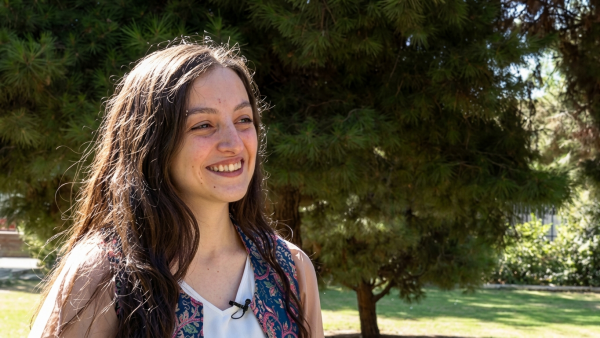
Youth activist in eastern Kurdistan Bawan Haqqbin described the uprising as a movement of a rational character, noting that the authorities face manifestations of unity and social organization, especially when it comes to gatherings of youth and women.
She explained that some universities were closed or study there was converted to an online education system, while some places frequented by youth, including cafes, are subject to surveillance or closure. She believes that these measures limit opportunities for youth to meet and exchange ideas and opinions.
She called on the youth category to strengthen communication among themselves, preserve their identity, expand the scope of work and activity in the region, and continue to adopt the values expressed by the slogan "Jin Jiyan Azadî." She noted that the experience of the uprising showed that building a free society is linked to the existence of women who enjoy freedom, and that the participation of women, men, and youth in the protests created a new space for expression and public participation.
At the end of her interview, she directed a message to women and youth not to lose hope, noting that the region is passing through a sensitive phase whose repercussions extend from eastern Kurdistan to other parts of Kurdistan. She emphasized the necessity of preserving the gains achieved and continuing solidarity in the face of the pressures and attacks to which youth and women are subjected, while holding on to hope and continuing to work for a freer future.