
Cases of Kidnapping of Women in Syria... Fears of an Unknown Fate and Violations
The repercussions of kidnapping women and girls and reported sexual violations extend beyond victims to their families and communities, amid fears these practices become tools of intimidation, spreading fear, and breaking social bonds.
ROCHELLE JUNIOR
AS-SWAIDA – Reports and claims related to violations affecting women and girls in the Syrian coast raise concerns about their safety, amid talk of the continuation of cases of kidnapping, detention, enslavement, and ill-treatment, and the deep psychological and social effects these facts may leave on the victims, their families, and society as a whole.
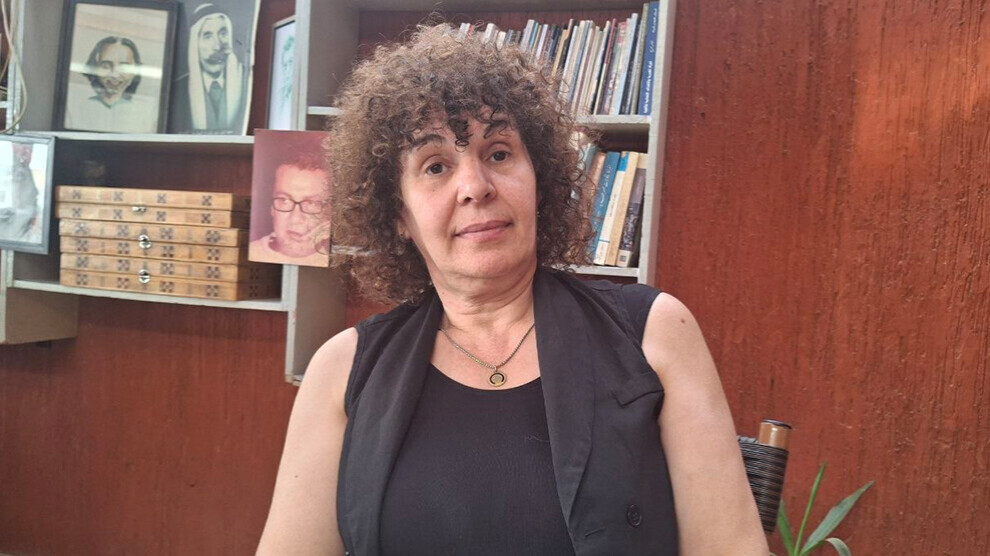
Speaking about these developments, lawyer Arjwan Al-Shahaf recalled what she used to receive during her study of the religion subject, when the topic of "captivity" aroused her astonishment and that of her colleagues, due to the difficulty of accepting the existence of such practices. She said that what is circulating today about cases of kidnapping and violations against women and girls brings back those questions to her memory, and raises her fears of a return of practices she believed belonged to the era of Ibn Taymiyyah, following the jihadists of Hay'at Tahrir al-Sham assuming power in Syria.
Arjwan Al-Shahaf believes that women constitute one of the sources of society's strength and cohesion, and that the developments that followed the arrival of the Hay'at raised questions for her about the targeting of women, especially the existence of cases of kidnapping, captivity, and violations. She believes that such practices lead to weakening society and breaking its will.
Handing Over Weapons and Trusting the Authority's Promises
Arjwan Al-Shahaf considers that handing over weapons in the Syrian coast was a mistake, and believes that trusting the authority's promises was not sufficient to guarantee the protection of the population. In her comparison with what happened in As-Swaida, she noted that the residents' refusal to hand over weapons contributed to the non-occurrence of the violations that affected women.
She pointed to the reports published about allegations of kidnapping, captivity, and the sale of women and minor girls, confirming that dealing with these allegations requires a serious investigation that reveals the fate of the missing, clarifies the circumstances of the reported cases, and determines responsibilities according to evidence.
She explained that what aroused her discontent was what she describes as the concerned authorities' failure to acknowledge the reports that documented these cases, including the reports issued by the Syrian Observatory for Human Rights. She said that the explanations that were put forward included the claim that the girl chose to escape on her own or that she wanted to change her religion.
Arjwan Al-Shahaf believes that presenting these explanations without an independent investigation that proves the facts and takes the testimonies of the women concerned freely and safely may lead to downplaying the seriousness of the allegations or questioning the victims' accounts. In return, verifying each case individually, and ensuring that women are not subjected to any pressure or threat, remains essential to revealing the truth and determining whether crimes have occurred.
Protecting Women and Survivors from Social Stigma
The effects of cases of kidnapping or alleged sexual violence are not limited to the direct victims, but may extend to their families and communities, especially when accompanied by fear, threats, or the circulation of unconfirmed accounts about the fate of women and girls. As she explained, "the importance of providing psychological, health, and social support to survivors stands out here, protecting their privacy, and not publishing information that may reveal their identities or expose them to danger. Dealing with these cases must also be based on respecting women's will and dignity, and rejecting holding victims responsible for actions they may have been subjected to."
She confirms that these considerations are necessary to avoid social stigma or automatic questioning of women's accounts, while at the same time ensuring professional verification of the facts, in a way that preserves the rights of victims and ensures the integrity of procedures.
Lawyer Arjwan Al-Shahaf called at the end of her interview for the necessity of educating families on how to act in cases of danger and emergency, helping them protect themselves and their family members and deal with difficult security conditions with awareness and caution.