
Adela Khanum: The Kurdish Princess Who Left Her Mark on History
Adela Khanum, a rare Kurdish female leader, transformed Halabja into a trade center, established justice, and was called "Princess of the Brave" for her political and military skills.
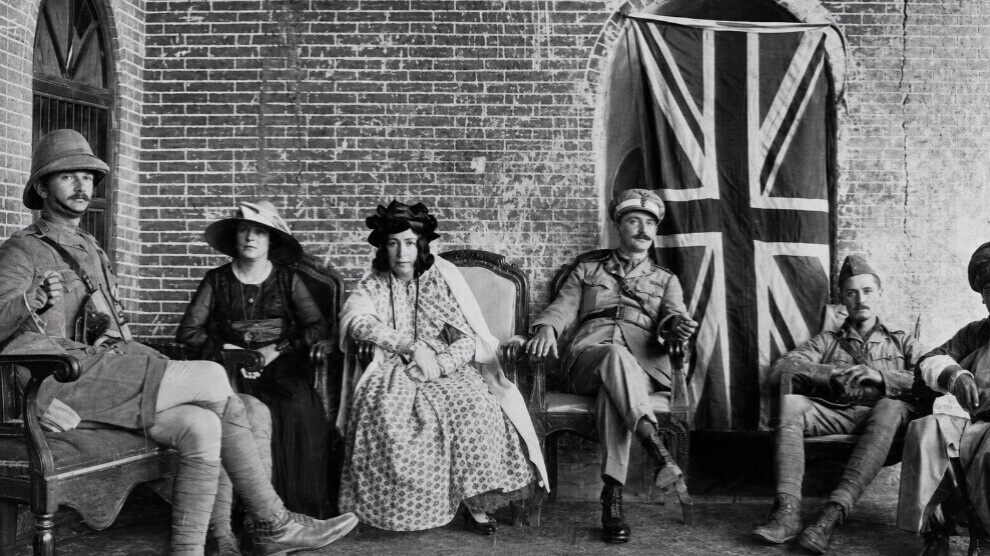
News Center — Adela Khanum is one of the rare women figures who emerged in modern Kurdish history, managing to lead her tribe and influence the region's course despite men's dominance over the political and social scene at the time.
Adela Khanum was born in 1847 in the city of Sanandaj in eastern Kurdistan, to an aristocratic family known as Sahib Qiran. She was raised in an environment that valued knowledge, allowing her to learn literature, politics, and diplomacy at an early age—an uncommon opportunity for women in that era. She moved to Halabja after marrying Osman Pasha Jaziri, leader of the Kaf tribe and the Ottoman governor of Sharazur. There, she began her journey of playing a pivotal role in managing regional affairs. Although British sources refer to her as "Lady Adela," her presence in Kurdish narratives remains less than what this intelligent and talented woman deserves.
Due to Osman Pasha's frequent absence from the city on state affairs, Adela Khanum played an active role in regional administration, taking charge of judicial and administrative matters. After her husband's death in 1909, she assumed full responsibility for regional administration and remained a regional leader for many years.
With her sharp intelligence, Adela Khanum transformed Halabja from a small village into an important commercial and cultural center. She established a judicial institution and personally presided over courts to ensure the rule of law and order in the region. She built a prison to maintain security, prevented criminals from moving freely in the region, established a new market, encouraged trade, and allowed merchants from neighboring areas to visit Halabja. Adela Khanum gained significant influence and was no longer just a political leader but a governor who worked to ensure her people's security and well-being.
"Princess of the Brave"
Adela Khanum's name is closely linked to Halabja's development. According to contemporary sources, she took important steps to revive trade, ensure security, establish markets, and strengthen the judicial system in the region. She also participated in combat during World War I and saved many lives. For this reason, the British gave her the title "Princess of the Brave" and praised her leadership.
Although Adela Khanum's name appears in works documenting Kurdish history, she does not enjoy sufficient fame among the general public. Nevertheless, her life stands as powerful testimony to women's ability to play decisive roles not only within the family but also in politics, diplomacy, and building social life. Adela Khanum's story once again shows that women who have remained in obscurity deserve to be remembered.
Many Western intellectuals, diplomats, and travelers who visited Kurdistan during that period spoke of Adela Khanum's influence. British writer and politician Gertrude Bell wrote about her in her letters in 1921, praising her magnificent Kurdish attire and political skills. British writer E.B. Soane, who visited her wearing Kurdish dress, described her in his book as a unique woman who enjoyed great influence in a Muslim society. Adela Khanum remained in Halabja until her death in 1924, where she was buried. She is still remembered today in Kurdish history as a symbol of a strong-willed woman, a leader, and a pioneer.