
Child custody... does the new law guarantee the child's best interest or deepen conflicts?
The amendment to Egypt's Personal Status Law on custody order (father after mother) has sparked debate, raising questions about family, shared responsibility, and legislation's ability to balance beyond post-separation relations.
Asmaa Fathi
Cairo – The debate over amendments to the Personal Status Laws in Egypt is renewed against a backdrop of years of criticism, both from fathers who believe that current legislation diminishes their role in their children's lives, and from women and human rights organizations that have called for stronger guarantees to protect children and mothers after divorce, especially regarding financial support, care, and psychological and social stability.
Although the proposed amendments attempt to respond to some fathers' demands regarding visitation, hosting, and custody, they have at the same time raised concerns among a wide segment of those concerned with family affairs. They believe that placing the father in the custody order without addressing issues related to financial support, care guarantees, or equality between father and mother may open the door to new crises that directly affect the child's best interest.
The ongoing debate has also revealed that the crisis of the Personal Status Law is not limited to a single article but is linked to an entire system that needs comprehensive review, taking into account current social transformations and balancing the child's right to stability and care with the parents' right to fair participation in upbringing, away from using children as tools in post‑separation conflicts.
These amendments have sparked controversy between supporters who see them as restoring the father's role in his children's lives and giving him greater space to participate in care and upbringing, and opponents who consider that moving the father to second place may create social and psychological problems for children, especially in the absence of sufficient guarantees regarding care, financial support, and family stability.
The debate has also opened the door to other issues related to the Personal Status Law, including the problem of a mother losing custody if she remarries, visitation and hosting rights, the extent of fathers' commitment to financial support and care after divorce, in addition to questions about the compatibility of some provisions with the principle of equality and non‑discrimination.
The child's best interest requires the father to come after the grandmothers in custody order
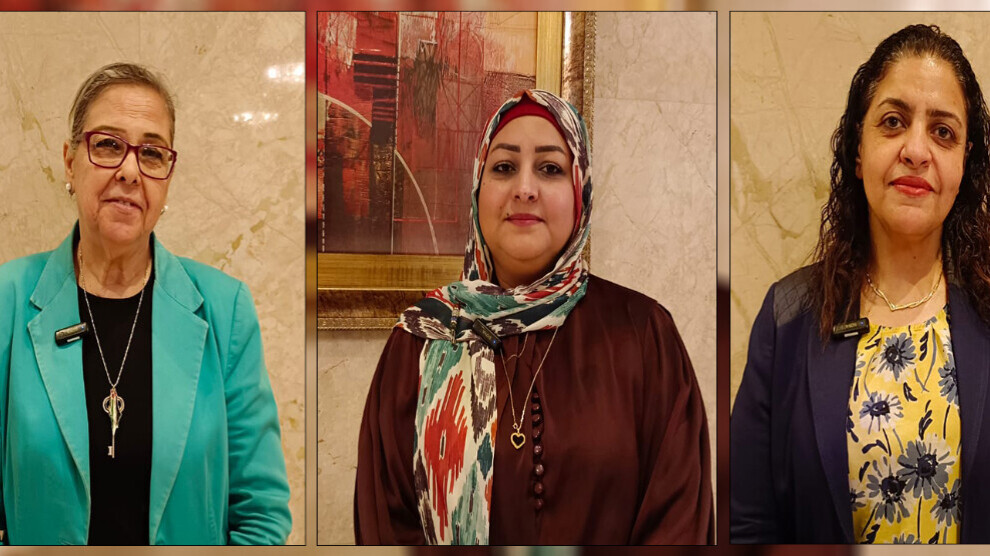
Abeer Hamdi, a cassation lawyer and doctoral researcher in family issues, believes that moving the father to second place in the custody order does not necessarily serve the child's best interest, affirming that in the early years, a child primarily needs care associated with women within the family.
She explained that placing the father in sixteenth place previously was an injustice, but at the same time she rejects placing him directly after the mother. She proposes that his order should come after the mother, the maternal grandmother, and the paternal grandmother, so that the child in their early years receives care closer to their psychological and daily needs.
She affirmed that the fundamental issue must be based on the child's best interest, not on disputes between parents after separation, pointing out that the child should not bear the consequences of a failed marital relationship or ongoing conflicts between the parties.
She also warned that placing the father in second place could practically lead to children moving to live with their fathers' wives at a young age, considering that this may create psychological and social crises for children and expose some to inappropriate treatment or a constant feeling of insecurity within the new family.
Crises that may worsen with the new amendments
Abeer Hamdi pointed out that some problems related to custody still represent a major source of concern for women, foremost among them the loss of custody for the mother if she remarries, which, according to her, pushes some women to resort to customary marriage for fear of losing their children.
She considered that this situation may reproduce social and legal problems that feminist and human rights movements have been trying to reduce, especially regarding documenting marriage and guaranteeing legal rights for women and children.
She also addressed the issue of financial support, affirming that many fathers stop bearing financial responsibility toward their children after divorce, even though financial support and care are a legal and religious duty that does not lapse with separation.
She praised measures aimed at punishing those who default on maintenance payments, considering that suspending some government services for fathers against whom final judgments for non‑payment of maintenance have been issued is an important step toward activating existing laws and guaranteeing children's rights.
Rights are inseparable from duties and equality
For her part, Karima Al‑Hafnawy, a member of the Egyptian Socialist Party and the National Front for Egyptian Women, affirmed that any amendments to the Personal Status Law must be based first on the principle of "the best interest of the child," in addition to ensuring justice within the family and balanced partnership between father and mother in care and upbringing.
She explained that she supports the father being placed in second place after the mother, but at the same time stressed that rights must be accompanied by duties, affirming that visitation, hosting, and custody cannot be separated from responsibilities of financial support, care, and proper upbringing.
She also raised the issue of equality regarding the custodian's remarriage, considering that the father's right to custody continuing despite his marriage, while the mother loses custody upon her remarriage, constitutes discrimination against women and contradicts the principles of the constitution and international conventions on equality and non‑discrimination.
She affirmed the necessity for the mother to continue custody of her children even after marriage, as long as the child's best interest is not harmed, stating that family situations should be assessed based on the actual best interest of the child, not on gender‑based assumptions.
Moving the father to second place restores balance within the family
On the other hand, lawyer Alia Askar affirmed that the previous system, which placed the father very far down the order, contributed to excluding many fathers from their children's lives, especially with limited visitation rulings that were often restricted to a few hours per week.
Regarding concerns about financial support or misuse of hosting, Alia Askar stressed the importance of establishing clear legal regulations governing hosting and protecting children, including preventing their transfer to other cities or travel without legal controls.
She added that the judiciary should remain the primary authority entrusted with determining the best interest of the child in each case, whether by continuing custody with the mother, transferring it to the father, or to other family members.
The future of the Personal Status Law
The controversy surrounding the custody amendments reflects the complexity surrounding the Personal Status Law in Egypt, especially given the overlap of legal, social, and psychological dimensions related to the relationship between children and their parents after separation.
Between demands to expand fathers' rights in visitation, hosting, and custody, and women's fears about the impact of some amendments on children's stability and mothers' rights, the most important question remains: how can a fairer law be built that guarantees the best interest of the child while maintaining a balance of rights and duties within the family?
These discussions also reveal the need for a comprehensive review of the Personal Status Law, so that reforms are not limited to the order of custody, but extend to issues of financial support, shared care, educational guardianship, and guarantees of social and legal protection for children and women after divorce, to achieve a greater degree of justice and family stability.