
Between disclosure and the legal process… Why do some survivors settle for anonymous testimonies?
In recent times, social medis platforms have witnessed a widespread wave of disclosures about incidents of harassment and sexual assault, shared by young women through survivor-support pages or personal accounts, to expose the violations they have experie
Asmaa Fathy
Cairo — The recent wave of disclosures about harassment has largely occurred without naming perpetrators or pursuing formal legal action, raising questions about why some survivors choose public disclosure rather than turning to the judicial system.
This has coincided with increasing discussion about the challenges women face when deciding to take legal action, particularly due to the social pressure or doubt they may encounter, as well as the complexities involved in proving incidents of sexual violence before the courts.
The recent wave of disclosures has also revealed another layer of challenges, as some testimonies accused individuals who were previously seen as part of support networks or safe spaces for survivors. This has raised concerns about the nature of relationships within these spaces and the limits of professional boundaries.
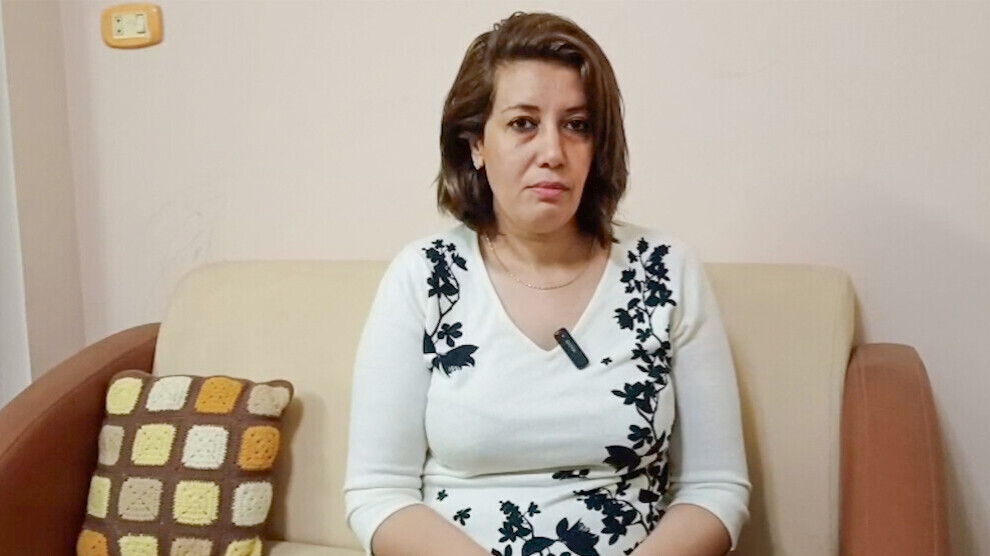
Lawyer Hiyam El-Ganaini, head of the Legal Support Unit at the Moanath Salem Foundation for Women’s Empowerment, explained the main reasons why some survivors choose anonymous disclosure instead of pursuing legal action. She also offered her perspective on the challenges related to trust and boundaries within support spaces highlighted by recent testimonies.
Social stigma as a barrier to reporting
Social stigma associated with sexual violence raises significant fears for women. The consequences of reporting extend beyond the legal process to include harsh societal judgment and disbelief, which leads some survivors to prefer sharing their experiences indirectly or anonymously.
El-Ganaini noted that many survivors prefer to disclose their experiences through anonymous messages or testimonies published on support pages or personal accounts, rather than going directly to the authorities. She explained that this choice is driven by a range of social fears surrounding sexual violence.
She added that victims may face harsh societal judgment from the moment they report, especially if the perpetrator is someone they know or if the circumstances of their interaction could later be used to question their account. Some survivors also fear that speaking out may lead to them being blamed or held responsible for what happened.
She also pointed out that fear is not limited to society at large but can extend to the family itself. Some girls fear being subjected to violence or severe blame if their families learn what happened, especially in cases that might be interpreted as involving a prior relationship or communication with the perpetrator.
Burden of proof and legal complexities
In addition to social pressures, survivors face legal challenges that can make reporting more difficult, especially in crimes that are inherently hard to prove. The mechanisms of proof in sexual violence cases often pose a barrier, leading some survivors to hesitate before seeking justice.
El-Ganaini explained that legal challenges are a major obstacle for many survivors considering filing an official complaint, noting that the burden of proof often falls on the victim.
She added that this becomes even more complex in sexual violence cases, which usually occur out of public view or in private settings, making witnesses or direct evidence rare. The absence of such evidence places victims in a difficult position, as they must prove the incident despite limited means.
She emphasized that these challenges cause some women to hesitate before entering a lengthy legal process that may involve significant social and psychological pressure, without any guarantee of a clear outcome.
Shock over accusations within safe spaces
The recent wave of disclosures has shocked many observers, as some testimonies accused individuals who were previously regarded as part of support networks or safe spaces for survivors. This has opened broader discussions about the nature of relationships within support circles and their professional limits.
El-Ganaini addressed these testimonies, noting that such allegations were surprising to many.
She explained that some of the individuals mentioned had previously been seen as trusted sources of support or guidance for survivors, raising questions about the boundaries between support providers and survivors.
She stressed that maintaining support spaces requires clear professional boundaries, especially in legal and psychological support fields, warning that crossing these boundaries undermines trust and removes the sense of safety for survivors.
Minors and more serious violations
Another notable aspect of recent disclosures is the presence of cases involving underage girls, which introduces more sensitive legal and humanitarian dimensions due to the different legal status of minors compared to adults.
El-Ganaini pointed out that some testimonies involved girls under the age of 18, explaining that the law clearly distinguishes between minors and adults.
She noted that any girl under 18 is legally classified as a child, regardless of her educational stage, and that any sexual activity involving a minor is treated differently under the law and subject to stricter penalties.
She added that girls at this age often lack the experience needed to handle such situations or understand their consequences, making violations against them more serious both legally and ethically.
Defense strategies of the accused
Responses from some accused individuals indicate that dealing with waves of disclosure is no longer limited to denial or silence, but now includes various strategies aimed at questioning the credibility of testimonies or reframing events.
El-Ganaini stated that some responses from accused individuals in the recent wave differed from the past, with some attempting to publish private messages or call for internal investigations.
She explained that such actions reflect an awareness of the legal complexities of these cases, particularly regarding the burden of proof and the difficulty of proving incidents that occurred long ago. She also noted that the passage of time may make proof more difficult and can sometimes lead to cases being dismissed due to statutes of limitations.
The need for a law protecting witnesses and whistleblowers
Amid these challenges, strengthening legal protection for victims remains essential in encouraging survivors to file official complaints, especially if there are sufficient guarantees to protect their personal data from being disclosed.
El-Ganaini emphasized that providing legal safeguards for victims’ data could play an important role in encouraging survivors to pursue legal action. She noted that introducing a law to protect witnesses, whistleblowers, and experts would help ensure that victims’ information remains confidential and accessible only to a limited number of officials involved in investigations.
She added that such a legal framework could enhance survivors’ trust in the justice system and encourage them to report violations.
It is worth noting that the recent wave of disclosures reflects a complex reality faced by many women when considering reporting sexual violence. Between the fear of social stigma, the difficulty of proving such crimes, and the lack of strong legal protections for reporters, some survivors find themselves facing a challenging legal path.
These factors indicate that addressing the issue requires not only encouraging victims to report, but also improving legal and procedural frameworks, strengthening protection mechanisms for whistleblowers, and promoting broader societal awareness that supports survivors and reduces the culture of doubt and stigma surrounding violence against women.