
Chaupadi Huts: Forced Isolation and Risks Threaten Nepali Women
Despite being banned since 2005, the Chaupadi practice persists in rural western Nepal, forcing women and girls into isolated huts during menstruation and after childbirth.
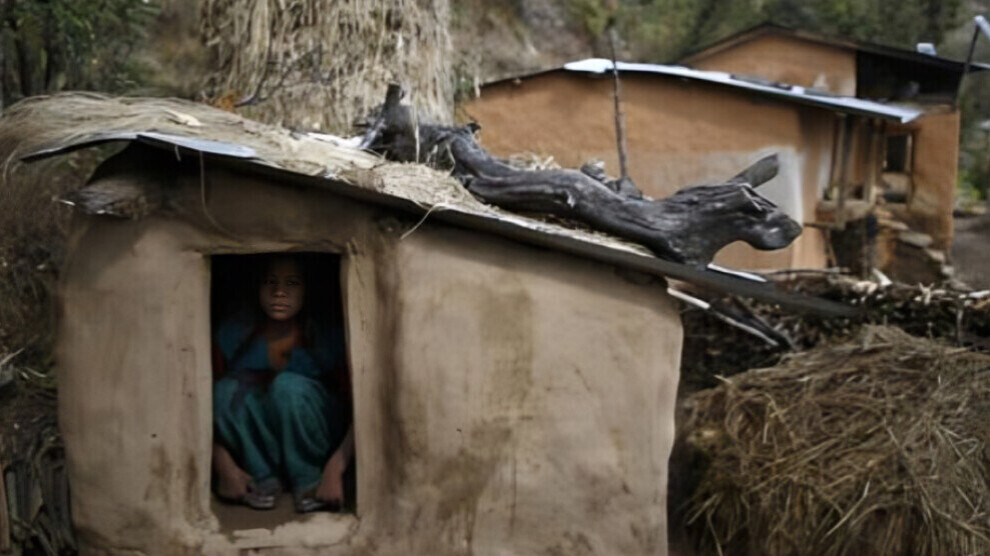
News Center_ In some parts of Nepal, women are kept away from their homes during menstruation and after childbirth due to beliefs that consider them "impure." They are forced to stay in primitive huts known as "Chau Goth" for several days, and sometimes weeks, in conditions lacking the most basic hygiene and safety.
During isolation, restrictions are imposed on them, preventing them from touching food, religious symbols, animals, or men. These huts often lack proper ventilation and protective measures, exposing women to serious health and security risks.
Women Losing Their Lives
Some women and girls have lost their lives inside these huts as a result of the Chaupadi practice. Human rights advocates indicate that known cases may represent only the visible part of the problem, explaining that there may be other deaths that occurred under similar circumstances and were not reported to authorities.
Leaving women alone in these huts not only exposes them to health problems but also makes them vulnerable to sexual violence and other security threats.
The Practice Persists Despite Its Ban
The Nepali government banned the Chaupadi practice in 2005. As the practice continued, new legislation came into effect in 2017, criminalizing the practice and making it a legally punishable act.
However, despite the laws, this custom persists, especially in the mid-western and far-western regions of Nepal. Reports indicate that a large number of women in rural areas of western Nepal are still forced to leave their homes during menstruation and stay in "Chau Goth" huts.
Women's rights advocates affirm that passing laws alone is not enough to eliminate this practice, emphasizing the need to increase community awareness in rural areas and ensure that women have access to safe and dignified living conditions.