
The Repercussions of Forest Fires in Algeria Threaten the Future of the Environment
Algeria’s forests face growing threats from fires and climate change, causing severe losses beyond trees to soil, biodiversity, and water, requiring urgent action to protect and rehabilitate remaining areas.
RABIAA KHREIS
ALGERIA_At a time when the pace of climate change is accelerating and the intensity of fires is increasing, Algeria’s forest wealth remains threatened with extinction, despite its vital role in maintaining human behaviors, this wealth has become the target of recurring fires that leave behind widespread environmental, economic, and social destruction.
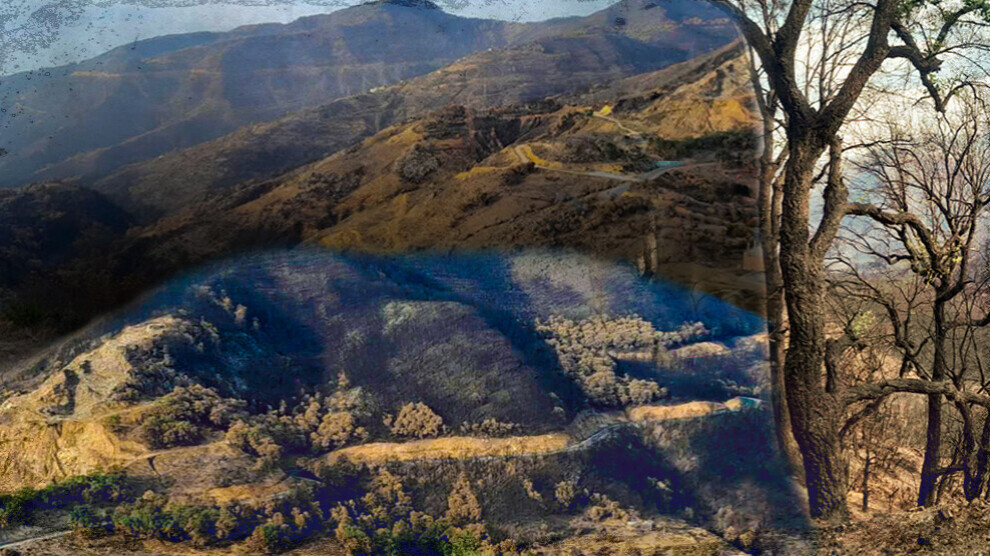
This tragic scene, whose details were lived by the city of Jijel in eastern Algeria, following a wave of violent fires that resulted in the death and injury of dozens, in addition to the charring of vast areas of cork oak and oak forests.
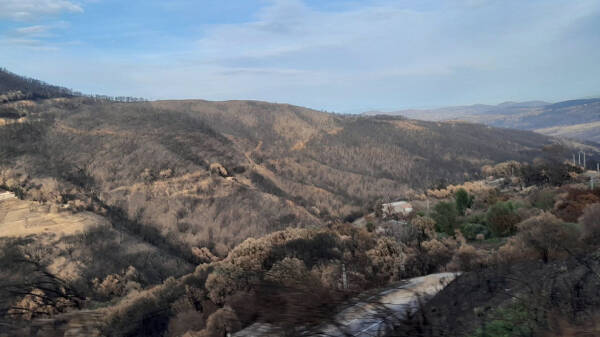
Whoever sets foot on the land of the towns of Jijel city today, specifically the rugged mountain passes leading to the forests of "Bordj Taher," "Taksana," "Ziama Mansouriah," and "Jemaa Bani Habibi," realizes the scale of the paradox the region is experiencing: vast areas covered in ash, and the trunks of ancient cork oak and green oak trees appear at first glance as charred columns.
This dark gray scene opens the door to urgent questions searching the depth of the crisis: How will the disappearance of vegetation cover affect the mountain soil system? What are the latent risks behind its erosion in the long term? And who today bears the responsibility for saving what remains?
Soil Under the Weight of Charring
Environmental activist Ouidad Lichani tells our agency that the dense vegetation cover places the entire region under the threat of sweeping floods, because charred soil loses its natural ability to absorb and drain rainwater, turning showers into flowing torrents that may target residential gatherings and low-lying areas.
Official figures issued by the concerned authorities reflect the scale of the harsh environmental challenge that Jijel city endured, as 3,209 hectares of various components of forest cover were damaged. Among these heavy losses, 246 hectares of fruit trees and olive trees were completely destroyed, alongside damage to other agricultural holdings.
The repercussions of this environmental disaster are not confined to the local scope of Jijel city alone, but included the forest belt. The General Directorate of Civil Protection reported that the cumulative total of fires has caused the destruction of more than 141,000 hectares of the country's forest and plant stock since the beginning of last summer. This geographic distribution shows that the tragedy was distributed across several provinces, causing the loss of more than 43,000 hectares of pure forest areas, more than 46,000 hectares of dense scrubland zones, in addition to nearly 38,000 hectares of brushland and vegetation cover, and more than 13,000 hectares of esparto grass areas and strategic mountain crops.
Bleeding of Biodiversity
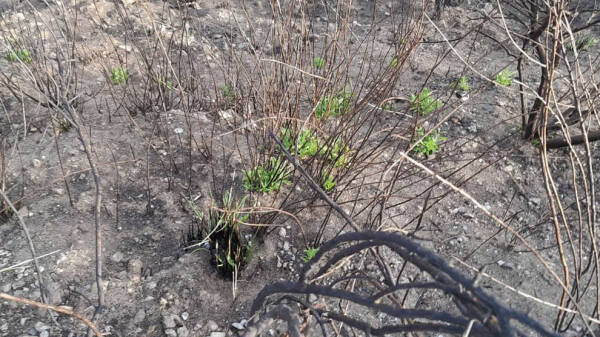
The repercussions of the disaster did not stop at the limits of forest wealth; the fires also affected protected areas and highly sensitive ecological systems. Ouidad Lichani confirms that "these vital spaces were subjected to severe damage despite being protected by an arsenal of internal laws and legislation." She adds: "The targeting of these reserves, such as natural parks and wetlands, by fires does not constitute merely a loss of a few hectares, but is considered an assault on an isolated vital refuge containing rare plant and animal species, which requires urgent intervention."
The "Taza" Nature Reserve, which covers large parts of the municipalities of Ziama Mansouriah, El Aouana, and reaching the heights adjacent to the town of Selma Ben Ziada, witnessed violent fires that caused the charring of vast wooded areas in its heights and the surrounding forests, such as the brushlands of the municipalities of Oujana and Jimar.
The shared Babors-Tababort Reserve was not isolated from this disaster, extending as a protected space across the provinces of Sétif, Béjaïa, and Jijel, covering alone 4,269 hectares within the geographic borders of Jijel. Fires placed its rare formations of cork oak and holm oak forests at risk of extinction due to recurring fire seasons, in parallel with the challenges and ongoing fires whose repercussions were endured by the Beni Belaid Nature Reserve, as a coastal wetland area of great importance in attracting migratory birds, which has come to directly threaten its surrounding forest and plant belt and undermine the fragile ecological balance of these exceptional vital systems.
Fire Ash Threatens Dams
Ouidad Lichani addressed the water axis as the most affected and damaged link from these environmental disasters. She explained that the impact of fires does not end with extinguishing the flames; the real danger extends to affect waterways.
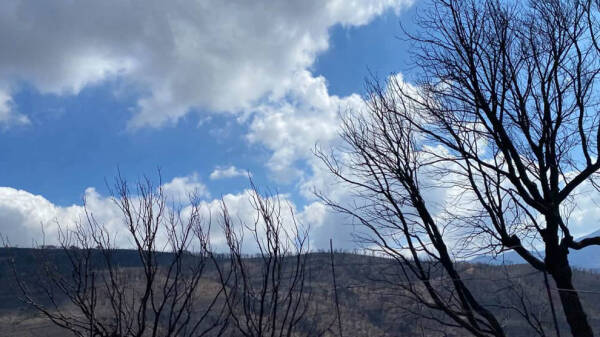
She confirmed that the dense ash left by combustion on the soil turns, with the first rainfall, into eroded particles flowing directly toward dams and valleys, causing a rise in the proportions of heavy metals and harmful organic materials, leading to acute chemical pollution that threatens aquatic life and complicates treatment operations. She also warned that this pollution does not stop at the surface, but gradually seeps to pollute groundwater and wells, constituting a long-term threat to strategic water security.
Jijel is classified regionally as one of the cities with the most abundant rainfall. Ouidad Lichani says that "there are many strategic mechanisms that must be taken urgently to stop floods." She suggests "building earthen bumps and basins to reduce the severity of mountain slopes and reduce the speed of torrent flow, in parallel with building dry stone walls and hydrological trenches to form safe and organized drainage channels for water that act as filtration walls behind which eroded soil and organic materials are trapped, contributing to protecting residential gatherings and limiting the accumulation of silt in vital dams."
She also stresses the importance of long-term investment in reforesting the damaged forest fabric by planting tree species and local plant varieties characterized by high ability to withstand drought and resist fires, provided that any field intervention is preceded by preparing an actual assessment and a comprehensive and accurate report of losses by specialized committees, with the adoption of a participatory approach that integrates the residents of small rural residential gatherings and environmental associations to activate the principle of shared responsibility in preserving this natural stock.
At the level of monitoring and foresight, the situation requires activating early warning systems and periodic monitoring of the acidity degree and water quality in dams immediately after the first rains, with cleaning and disinfecting drainage channels surrounding the affected areas to prohibit the leakage of organic materials and heavy metals into the ground, preserving water security and the country's strategic underground stock.