
Young Yemeni Woman Challenges Men's Monopoly of the Green Rectangle
Jamila Al-Qahtani creates simplified football content for women, breaking stereotypes despite digital ridicule, reflecting broader challenges female creators face in sports media.
RANIA ABDULLAH
Yemen — In an innovative step aimed at breaking stereotypes and enhancing sports passion, a young Yemeni woman has taken a unique initiative to publish educational and informative content about football on her personal Facebook page, coinciding with the World Cup event.
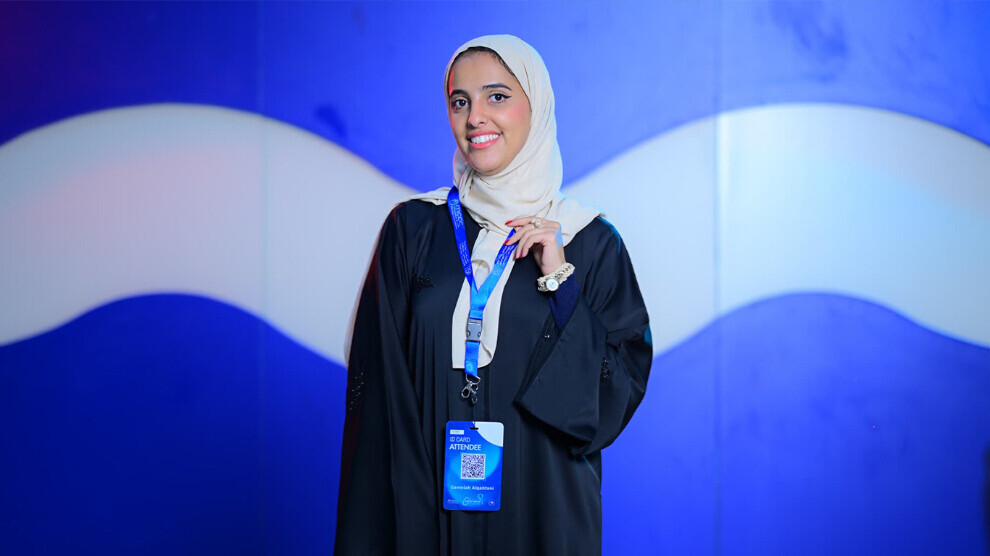
The vision of young Jamila Mohammed Al-Qahtani, a doctor with interests in medicine and sports, integrates through the creation of educational content aimed at explaining sports terminology and basics about the game of football, in addition to introducing forums and other topics related to sports affairs, targeting a wide audience, particularly women and girls.
About her unique experience, she says that the idea that drove her to produce this type of content came in conjunction with the atmosphere of the World Cup tournaments, which are among the well-known sporting events that witness large family gatherings.
She explained that many women show interest in following matches during the World Cup, although some of them are not interested in football or do not follow it regularly, which makes them face difficulty in understanding some of the game's basics. She added: "I made sure to provide simplified information that helps women benefit and acquire an appropriate background to follow matches, so that they have enough knowledge to understand the course of the match while watching, rather than having to ask repeatedly."
The Battle of Mockery and Ridicule!
A woman's battle in the world of content creation, especially sports content, is not merely a battle to prove the quality of what she offers; it is a direct confrontation with a masculine digital culture that tries to control what women produce and preserve digital spaces for men.
Jamila Mohammed Al-Qahtani faced a wave of mockery and ridicule from some Facebook pages following her presentation of introductory clips simplifying football rules, under the claim that what she offers is basic information not worth publishing, and that football or understanding its rules is not for women.
In contrast, media voices praised her content and supported it, based on the essence of journalistic work that addresses a wide and diverse audience with different backgrounds and knowledge. What football enthusiasts see as basic may be completely mysterious and new to new followers drawn by the global event.
Supporters emphasized the importance of this educational content by pointing out that major international newspapers and channels never stop producing materials explaining the simplest rules under titles such as "Beginner's Guide" or "Everything You Need to Know."
Regarding the mockery and ridicule she faced, she explained that this is a natural matter that any content creator might encounter, stating that she dealt with those situations by ignoring them. "I ignored most of the responses, and they did not affect me, because I have loved football for years, and following it, explaining it, and clarifying its details represent passion and enjoyment for me." She confirmed that she received great interaction from women and girls, as well as praise for what she offers and how much they benefit from the content she provides.
Self-Censorship and Withdrawal
What young Jamila Al-Qahtani and other female content creators have experienced is not new. A recent study titled "Content Creation and Gender Dynamics," issued by the Masar Foundation (Technology and Law Society), revealed the scale of structural challenges facing women in the digital space. The study confirmed that female content creators who venture into areas socially classified as "male-only," such as sports content creation and football analysis or technical content, are subjected to a systematic pattern of cyberbullying and ridicule that does not aim to refute the knowledge presented but rather targets their gender eligibility as women.
The study explained that this gender-based digital violence does not stop at verbal harassment but drives many women to practice forced self-censorship and gradual withdrawal from the public space for fear of guardianship and defamation campaigns, thus reproducing the traditional gender gap within modern digital platforms.
Support for Female Content Creators
Regarding ways to support content creators, particularly female content creators, Jamila Al-Qahtani called for the establishment of an institution or digital platform concerned with supporting content creators, contributing to combating abuses that may escalate from ridicule and attack to insults and defamation, so that affected individuals have a clear framework through which they can file complaints and obtain results according to strict legal procedures.