
Reopening of the Amuda Cinema... A Step to Restore Memory and Loyalty to the Victims of the 1960 Catastrophe
Writer Abeer Driei expressed the symbolism of reviving Amuda's "Shahrazad" Cinema after 66 years, calling it loyalty to hundreds of Kurdish children who perished in flames in 1960.
SORKEL SHEIKOU
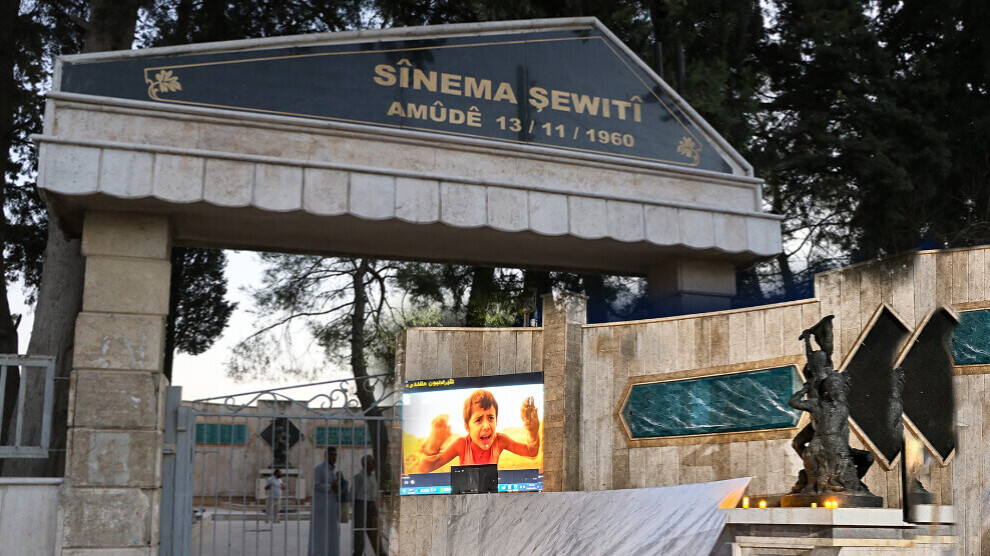
Amuda – Despite the passage of sixty-six years since the catastrophe of the "Shahrazad" Cinema in Amuda in 1960, its flames still burn with sorrow in the hearts of the city's people, as residents commemorate its painful memory every year, evoking the souls of more than 280 children who perished in that tragic fire.
Talk of the "Shahrazad" Cinema in Amuda city revives the memory of a painful historical catastrophe that occurred on 13 November 1960 and claimed the lives of about 280 Kurdish children. This event still represents a deep wound and a symbol of tragedy in the Kurdish conscience and culture, as its details have been immortalized in numerous literary and musical works.
The story began when hundreds of primary school students gathered inside the cinema hall to watch an Egyptian film aimed at supporting the Algerian revolution, in a screening organized by the Baath regime at the time. But the children faced a terrifying tragic fate, as a massive and sudden fire broke out and devoured the cinema hall that was packed with more than 500 children, even though its capacity did not exceed 200 people only. The hall turned into a deadly trap that besieged the victims due to the sealed doors, leading to this massive human loss.
After sixty-six years since the fire, the Amuda cinema has been revived under the supervision of the Cultural Center, where Kurdish films are now screened every Thursday.
On the Purpose of Reviving the Cinema of Amuda and Its Importance
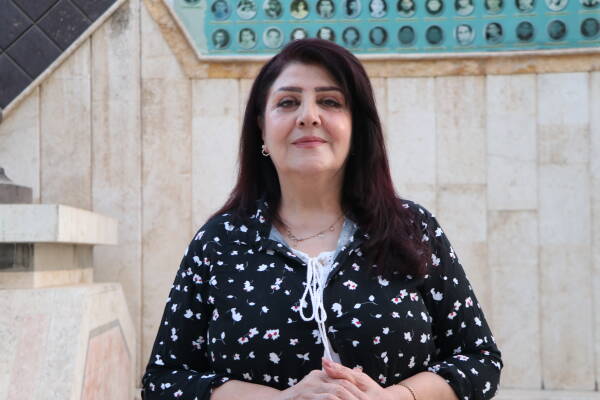
Writer Abeer Driei said: "After more than half a century, the memory of the 280 children who perished in the fire is still present, and the cinema has returned to pulse with life again."
Abeer Driei described the reopening of the cinema as a historic event overflowing with symbolism. "Amuda witnessed a tremendous tragedy in the 1960s; the smell of the fire remained stuck in the city's atmosphere for months. Every time I pass by the cinema, I hear the screams of the children who perished in the flames. Reviving the cinema today is an act of loyalty to both the departed and the living, as it ensures that new generations realize the truth of what happened here, and that they understand the historical value of reviving this cinematic edifice."
She shed light on the purpose of reviving the cinema. "Through reviving the cinema, we wanted to enrich the town and transform that pain into something of value for today's children. Amuda was drowning in a deep, endless sorrow. It is important that the feeling of passersby near the cinema today is not limited to smelling the scent of the fire, but that they also breathe the air of renewal. The Amuda cinema fire must be included in school curricula."
She explained that despite the burning of Amuda city, it remains capable of rising again and continuing its journey. "We remind today's children that sixty-six years ago, there were children exactly like them, but the flames devoured them. Even if the cinema is burned, it will remain alive and enduring."
Why Should This Be Included in Educational Materials?
Regarding her desire for the cinema to be part of the Syrian school curriculum currently being prepared, she said: "At that time, the Baath regime screened a film about Algeria for children. Our pain intensifies because our children went to the cinema in solidarity with others, as the revenues from their tickets were sent to support the Algerian revolution. For this reason, we want the entire world to know at whose hands and for whose cause our children were burned to death. Many writers have authored books addressing the details of the fire, so why should this not be included in the school curriculum? There are many books that could serve as educational materials for children within the curricula currently being developed."
"The Amuda Cinema Gathers Us Through Diverse Art Forms"
She pointed out that the Amuda cinema is not merely a place for screening films but is also a cultural space. "The Amuda cinema gathers us through diverse art forms; on the day of its revival, many singers gave artistic performances, and painters displayed their works. For us, this day was like a revival of a sacred spirit."
She also called for introducing improvements and additions that enrich the current cinema site and identified the necessary steps to achieve that, drawing attention to the small size of the current place; it would have been more appropriate to build a winter screening hall to accommodate more diverse events, alongside providing space for a Kurdish library that encourages reading.
She expressed her hope that the new cinema under construction would take these requirements into account, despite her preference for these ideas to be embodied in the original site that witnessed the catastrophe, as it pulsates with irreplaceable symbolism and vitality. She stressed the importance of restoring and developing this landmark, while fully adhering to its historical identity.
At the end of her interview, Abeer Driei directed a call to families to urge them to teach their children the Kurdish language, introduce them to their historical roots, and instill the values of their culture in them to entrench their national identity and awareness of the historical turning points they have passed through. She also focused on the necessity of documenting the historical stations of the Kurdish people and passing them on to emerging generations.