
Continuous Shelling… Children of Kurdish Neighborhoods in Aleppo Face Death at Every Moment
Amid the relentless sounds of shelling and clashes that have known no real truce, children in Sheikh Maqsoud and Ashrafieh neighborhoods in the city of Aleppo are living a stolen childhood filled with fear and psychological distress.
Asmaa Mohammad
Qamishlo-Children in the Kurdish neighborhoods of Aleppo are supposed to be in their schools or warm homes, but there are neither warm homes nor schools anymore. For months, they were besieged by the greed of jihadist groups, deprived of warmth and of their right to education, medicine, and food. Then came the attacks, depriving them even of the cold walls of their homes—an act far removed from humanitarian and national values.
The impact of these violations extends into every detail of daily life. Yet children lack the awareness to interpret war, siege, interests, or ideologies that negate the existence of others. Without realizing it, they carry the consequences not only in the present but throughout their entire lives, as psychological crises persist long-term.
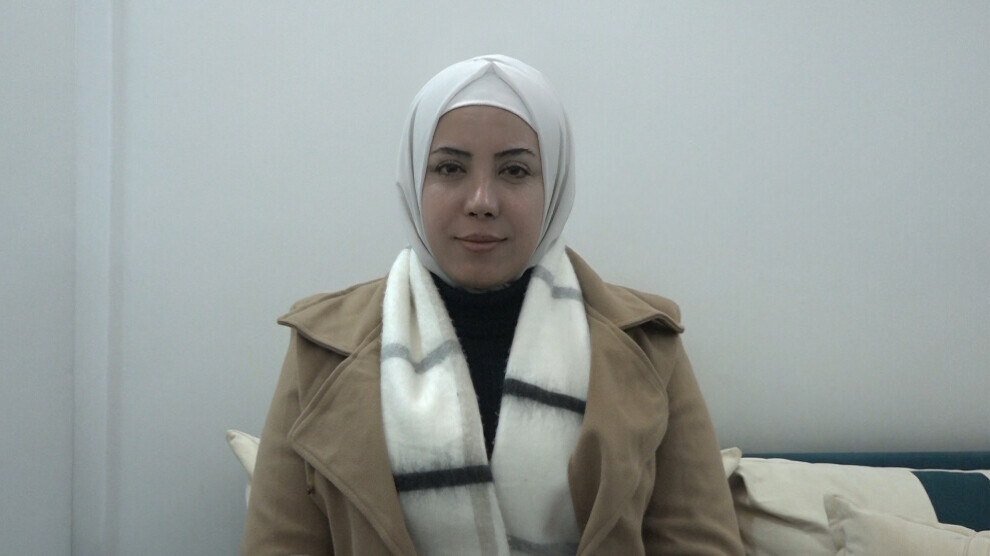
In this regard, Sabah Fadel, an administrator at Sterk Organization in Qamishlo, North and East Syria, stated that children in Sheikh Maqsoud and Ashrafieh neighborhoods are facing serious psychological and social consequences due to the continuous breach of the ceasefire.
She believes that the ongoing violations of the truce in these neighborhoods are not merely incidental military breaches, but rather organized crimes that directly affect children’s lives, targeting the foundations of their childhood and their right to safety and healthy development.
She explained that children in these areas live in a “constant state of fear and psychological anxiety, sleep disorders, restricted freedom to play and engage in normal social interaction, and a clear deterioration in family relationships,” making them the most vulnerable group to any military escalation, even when they are not on the direct frontlines.
Repeated Loss of the Fundamental Right to a Safe Childhood
She described the environment as one marked by instability and constant danger, noting that “the impact of shelling and the sounds of clashes extends into every moment of their day, from waking up to going to sleep.” This results in deep and long-term psychological effects, including persistent anxiety, chronic fear, poor concentration and attention, mood disorders, and loss of the ability to interact socially in a normal way.
She emphasized that these conditions do not only affect children’s daily lives, but also “threaten their psychological, physical, and cognitive development, their level of education, and their ability to develop personal and social skills.” This, she stressed, obliges concerned parties to view the situation as an urgent humanitarian and human rights crisis requiring immediate response.
Children are the first victims of the escalation carried out by the interim government in these neighborhoods. What happens to them, she said, “cannot be reduced to numbers or statistics. It is a repeated loss of the fundamental right to a safe childhood, free play, and continuous education. The loss of a sense of security and constant fear have become part of children’s daily reality, directly affecting their mental health, daily behavior, social and personal development, and their ability to participate in family and community life in a normal and safe manner.”
She pointed out that recent ceasefire violations led to “the killing of nine people, including children, and the injury of many others with varying degrees of wounds,” reflecting the extent of unjustified violence and the absence of any real protection for children in their residential areas.
Children, especially those under the age of seven, are particularly vulnerable to deep psychological trauma. As Sabah Fadel explained, this is due to their inability to understand the nature of events or distinguish between real danger and chronic fear, which threatens personality formation and plants long-term psychological disorders that affect their lives and futures.
She condemned the absence of effective international response and legal accountability for those responsible for targeting civilians, considering that the continuation of conflict, normalization of violence, and lack of accountability encourage repeated violations and reflect a clear failure to protect children’s rights in accordance with international standards.
Ongoing Work Through Diverse Programs and Activities
What is happening clearly demonstrates that protecting childhood has not yet been treated as a political or moral priority. Current humanitarian responses, despite their importance, remain insufficient to provide comprehensive and sustainable protection or to address the root causes of the crisis.
She clarified that Sterk Organization continues its diligent work despite difficult security conditions, by implementing programs and activities that support children psychologically and socially. These programs encourage children to express themselves and participate in recreational, cultural, sports, and artistic activities aimed at alleviating the effects of violence and psychological pressure, strengthening their ability to cope with trauma, and providing safe spaces for learning and healthy development.
Sabah Fadel concluded by stressing that the children of Sheikh Maqsoud and Ashrafieh are not statistics, but human beings with full rights to a dignified life, play, education, and safe psychological and social development. She called on the international community, the United Nations, human rights organizations, and all entities responsible for protecting civilians to provide urgent and effective protection for children, ensure accountability for perpetrators of violations, and support sustainable psychological, social, and educational relief programs.
Saving childhood and protecting children’s rights today is an urgent humanitarian and moral responsibility that cannot be postponed. Continued international silence or inaction will only deepen suffering and increase the number of children living in constant fear and ongoing insecurity.