
Women’s Economic Independence Gives Them the Ability to Make Their Own Decisions
It is important for women to have independent economic resources, as it distances them from social problems and violence, and gives them the ability to make their own decisions independently.
DIREN RAHIM
Sulaymaniyah_ Women’s participation in work contributes to achieving balance between women and men in the labor market. If women work in any private sector, they will not depend solely on government employment, but will become owners of independent income, which enhances their integration into society, their openness to the outside world, and the development of their work.
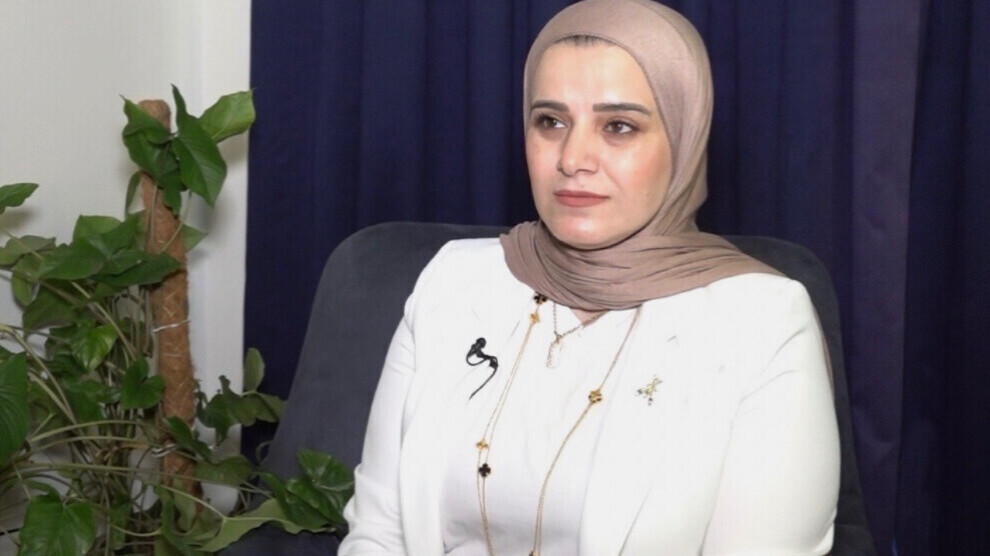
Mardeen Mohsen Faraj, Assistant Professor at the University of Sulaymaniyah in the Kurdistan Region, says that economic independence means that every woman is able to have her own income, provide savings, and be financially independent. "Economic independence is linked to several economic, social, political, and institutional factors."
She explained that a woman who possesses economic independence is able to face political and social problems more courageously and distance herself from social crises. However, she points out that women's economy in the Middle East is still not independent and depends on a set of factors, including economic, religious, and cultural factors, which makes women's liberation difficult.
"Customs and Traditions Affect Economically Independent Women"
Discussing women's economic independence requires that women be able to make their own decisions. However, according to our interlocutor, women in the Kurdistan Region often cannot achieve this due to several restrictions. Therefore, it is important for them to have an independent income that enables them to make their own decisions and emerge from problems without influence from the surrounding society.
She pointed out that economic independence requires support, as well as cultural and social awareness that allows women to face social challenges. She also explains that there are two important aspects in this context: the status of women's rights in society and the extent to which institutions respect them.
She says that if these two aspects are clear, any woman with economic independence can make her decisions freely. However, she clarifies that even an economically independent woman may not be able to achieve full liberation in a society dominated by patriarchal customs, where social, cultural, and religious authority rests with men. "Women must know their rights and duties, because economic independence alone is not enough."
Ignorance of constitutional, social, cultural, and religious rights prevents women from making independent decisions even if they have their own income, because society will still exercise violence or pressure against them. "For a woman to maintain her gains at any stage of her life, she must know her legal rights and how to deal with domestic and societal violence, and how to manage her personal and professional life as a business owner. Any woman who understands these rights can face society."
She explained that so that a woman does not fall under the hegemony of a patriarchal society, she must "arm herself legally and culturally"—that is, be aware of laws related to women, know the organizations that support women, as well as international organizations that provide support for women's rights, because knowing these things gives her the ability to face society.
Assistant Professor at the University of Sulaymaniyah, Mardeen Mohsen Faraj, concluded her remarks by affirming that "when society faces internal or external economic crises, women are often the first to be subjected to pressure. Therefore, women must be able to face society and crises in order to achieve independence, because crises often begin to show their effects on women, and they need genuine social support."