
Sudan Doctors: Cholera and Measles Threaten Thousands of Children in North Kordofan
Sudan Doctors warn cholera and measles threaten 200,000 people, including thousands of children, in North Kordofan amid severe medicine and food shortages.
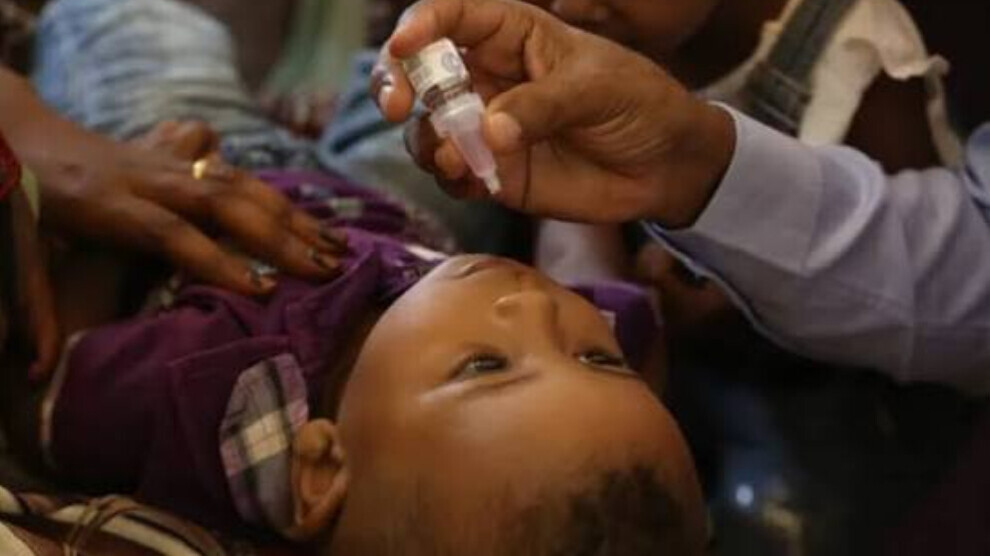
News Center — Amid the deteriorating health conditions in several areas of North Kordofan, fears are escalating over the widespread spread of cholera and measles due to weak medical infrastructure and supply shortages. Displacement movements and the expansion of poverty have also contributed to creating a favorable environment for the spread of diseases.
The Sudan Doctors Network warned yesterday, Sunday, July 5, of a health and humanitarian catastrophe threatening approximately 200,000 people, including 20,000 children, in areas west of Bara city in North Kordofan State, due to outbreaks of cholera and measles and severe shortages of food and medicine.
The warning came simultaneously with the announcement by the non-governmental "Dar Hamar Emergency Room" of 30 deaths and 800 cholera infections in West Kordofan State since the outbreak began on June 20, with the disease spreading in the localities of Wad Bandeh and Al-Nuhud and their neighboring villages.
The Network affirmed its close monitoring of the rapid deterioration of humanitarian and health conditions in areas west of Bara, amid food and medicine shortages and the spread of cholera and measles. It noted that thousands—including children—are facing extremely harsh humanitarian conditions as a result of the severe shortages of food and medicine alongside the outbreaks.
The Network indicated that field information points to more than 100 measles cases recorded among children in a number of health centers, in addition to 45 cholera cases, amid a sharp decline in health services and a complete absence of medical and basic supplies.
The Network warned that a number of health facilities, including Taybat Al-Za'tari Hospital and Umm Karidem Hospital, are now operating without any medical supplies. It affirmed that the continued interruption of medicines, medical supplies, and food, and the prevention of aid entry into the area, foreshadow a humanitarian and health catastrophe that could lead to rising death rates, especially among children and the most vulnerable groups.
The Network called on the United Nations, humanitarian and relief organizations, and relevant health authorities to intervene immediately to secure medicines, intravenous fluids, vaccines, medical supplies, as well as food and safe water, to curb the spread of diseases and save the lives of thousands of civilians.
Earlier, Sudanese health authorities reported 911 cholera cases, including 127 deaths, in North and West Kordofan states. Since March, the Rapid Support Forces have controlled Bara city and the villages west of it, while the three Kordofan states—North, West, and South—have witnessed clashes between the Sudanese army and the Rapid Support Forces since October 2025.
For its part, the International Organization for Migration reported that the number of displaced persons due to escalating violence in the Kordofan region has risen by 65 percent, from more than 132,000 people in February to more than 219,000 by the end of June—an increase of 87,000 over four months.
It noted that the region is considered one of the most prominent displacement centers in Sudan since the outbreak of conflict between the army and the Rapid Support Forces, with approximately one million internally displaced persons residing there, equivalent to 11 percent of the total displaced population in the country.