
Specific Dress… Fears of Entrenching Extremism and Restricting Freedoms in Syria
Attempts to impose specific dress on female Asayish members raise fears of entrenching extremism, subjecting women to imposed ideological molds, and gradually restricting their freedoms and rights.
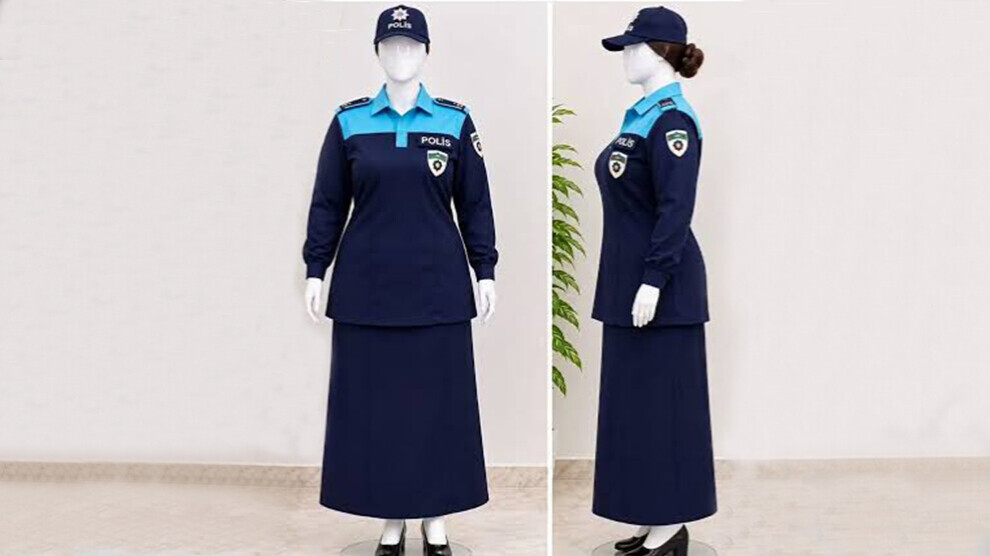
NEWS CENTER_Women’s freedom is not a privilege granted by the government and withdrawn whenever it wishes, and clothing is not a tool for measuring ideological commitment or imposing obedience. Respecting women’s right to choose their clothing , identity, and personal decisions is one of the fundamental criteria for any project claiming to build a free and pluralistic state that respects the dignity of its citizens.
Sources within the Internal Security Forces in Hasakah governorate told our agency that the Syrian interim government is moving toward imposing a specific style of dress on female members of the Internal Security Forces (Asayish), in a step that sparked rejection and widespread criticism in Kurdish women's circles, amid fears that these measures may be part of a broader trend to impose a strict social and ideological vision on women, and to interfere in their personal freedoms and cultural privacy.
Turning Clothing into a Tool for Imposing Guardianship and Control
The issue of imposing a specific dress cannot be viewed as merely an organizational measure or a matter related to external appearance, as turning clothing into a tool for imposing a specific ideological conception on women opens the door to further restrictions that may gradually extend to various aspects of their lives and personal and social freedoms.
These trends raise serious questions about the nature of the social model that the interim government seeks to entrench in Syria, especially in light of fears of the return of extremist mentalities that view women as a domain for guardianship and control, and reduce their freedom to compliance with standards imposed by the authority instead of respecting their right to choice and independence.
Fears and Criticisms
This step sparked rejection and criticism in Kurdish women's circles, amid affirmations that women adhere to their right to preserve their cultural identity and choose their appearance and clothing freely.
Many experiences, foremost among them what happened in Afghanistan under Taliban rule, show how restrictions imposed on women's clothing can turn into part of a broader system of restricting their rights and freedoms, and depriving them of effective participation in public life.