
Panel Discussion Calls for Legislative Reforms to Strengthen Media independence in Yemen
Participants in the panel discussion held in the city of Marib called for comprehensive legislative reforms to ensure the independence and pluralism of media in Yemen and to reduce the restrictions and violations affecting journalistic work.
RANIA ABDULLAH
Yemen_the reality of media freedoms in Yemen is witnessing a sharp decline due to the multiplicity of de facto authorities, which has led to widespread restrictions on journalists and an increase in Violations against them, while media institutions face legal, security, and economic challenges that hinder their independence and ability to fulfill their professional role.
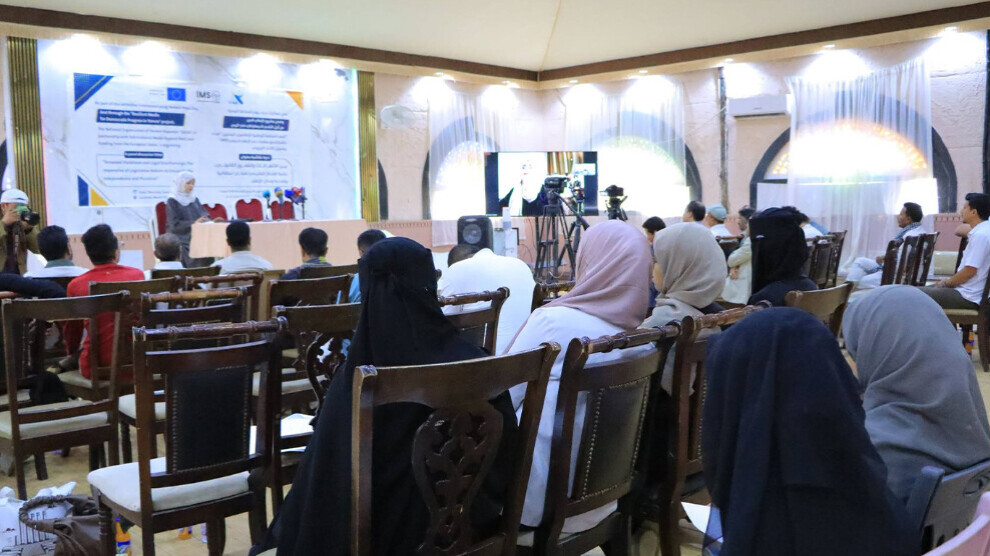
Under the title “Between violations and legal Degiciencies:the Imperative of legislative reform to Ensure Media Independence and Pluralism,” the Yemeni Journalisits’ Organizatioin(SADA) in partnership with the International Media Support(IMS) organization held a panel discussion yesterday, Thursday, June 18, in the city of Marib, with the participation of academic and legal figures, as well as journalists and media professionals.
The panel discussion, which coincided with the commemoration of Yemeni Press Day, addressed the reality of press freedoms in the country through five working papers that discussed the situation of media outlets and the legal, institutional, and technical challenges they face.

Legal Protection
The Executive Director of SADA Organization emphasized the importance of developing the legal environment governing media work in line with digital transformations, affirming the need for an integrated system that enhances legal and digital protection for journalists.
Meanwhile, the organization's Monitoring and Documentation Officer, Mona Abu Suba, presented an overview of the patterns of violations faced by media institutions and the advocacy mechanisms aimed at reducing them. On the legal side, Raghadah Al-Maqtari, a member of the Lawyers' Syndicate branch in Taiz, discussed the shortcomings in current legislation and presented proposals for developing them to contribute to providing a more protective environment for press freedoms.
The Impact of War on Journalistic Work
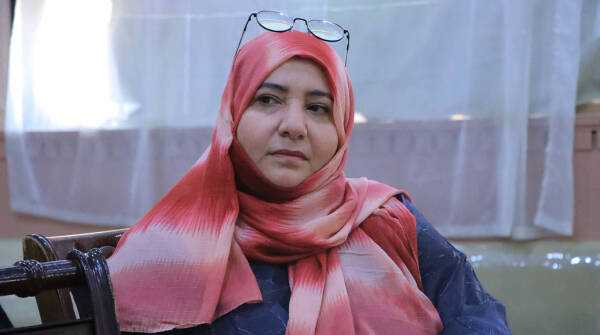
On the sidelines of the seminar, media professional Fatima Al-Khalidi told our agency: "Years of war have affected my professional capacity and stability, as well as the media outlets I work for," explaining that stability plays a significant role in the performance of journalists. She added: "I have been displaced more than three times due to the war, which has greatly contributed to imposing self-censorship on us. We now think extensively about the sources of information we rely on, and this has negatively affected our work."
Regarding unpaid salaries and financial dues, which have driven many journalists to leave the profession, she stated that she was among those affected: "I used to work for a government channel, and after it came under Houthi control, I was dismissed and lost my job and salary."
She stressed the importance of holding such seminars, as they provide an opportunity for journalists to meet, exchange experiences and perspectives, and produce recommendations that can contribute to alleviating the challenges faced by those working in the journalistic field.
At the conclusion of the seminar, participants emphasized the importance of coordinating efforts among media institutions, human rights organizations, and legal bodies to push for legislative reforms that guarantee the protection of press freedoms and enhance the public's right to access information.