
Morocco Returns to GMT, and Additional Burdens Women Will Bear
Morocco's time system has witnessed several changes over past decades, but the country has returned to Greenwich Mean Time.
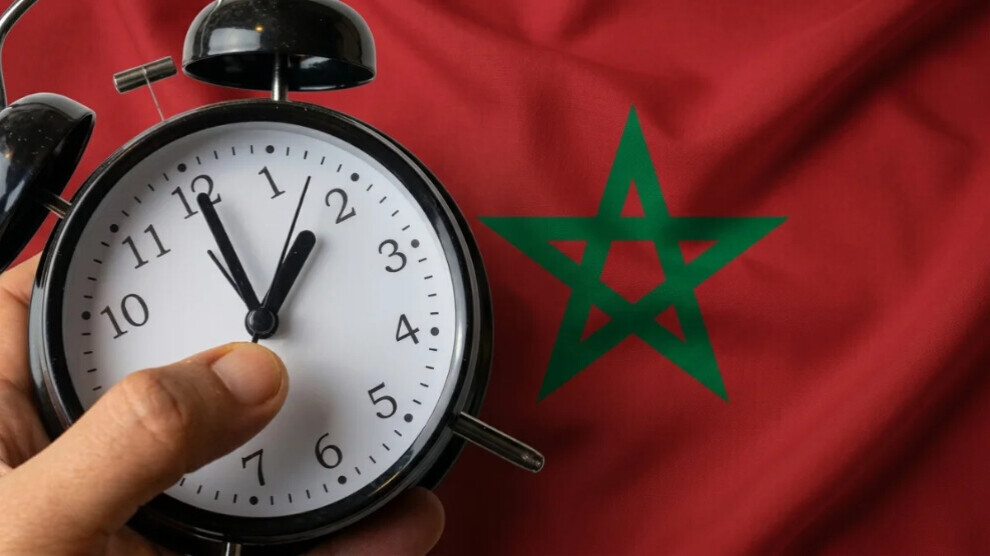
News Center – Morocco returns, as of today, Sunday, 20 September, to Greenwich Mean Time, after the decision to cancel the additional hour came into effect and clocks were set back 60 minutes at two in the morning.
This measure comes pursuant to a royal decree issued on 25 June 2026 regarding legal time. Thus, the Moroccan government has approved the permanent end of daylight saving time starting today, ending years of adopting the additional hour that sparked widespread debate between supporters who considered it supportive of economic activity and opponents who saw it as a burden on citizens' daily lives, especially women.
The decision to return to GMT constituted the end of one of the most debated issues in Morocco in recent years. Since October 2018, the Kingdom had permanently adopted GMT+1, with the exception of the month of Ramadan, during which it temporarily returned to the original time.
The adoption of the new time sparked widespread objections among segments of citizens, especially women, students, and employees, who complained about the start of school and work in the early dawn hours during winter and the resulting effects on daily life and biological rhythm.
Our agency had addressed the impact of this decision on women in particular, through interviews with Moroccan women who confirmed that this time rhythm exacerbates the imbalance in the distribution of daily burdens, especially within families where women bear the largest share of unpaid work related to managing daily life.