
International assessment: 97% of Khartoum households suffer from food insecurity
A joint assessment of 70 health facilities and 1,250 households found severe decline in water, sanitation, waste services, and medical supplies, deeply aggravating the humanitarian crisis in Khartoum since the conflict began.
Sudan — The conflict raging for the past three years has caused widespread destruction to infrastructure, particularly hospitals and health facilities that have been subjected to shelling and direct targeting, leaving severe negative impacts on the population and increasing their suffering.
A new assessment conducted by the Norwegian Church Aid and the International Medical Corps revealed that 97% of households in Khartoum are suffering from food insecurity, forcing families to adopt harmful coping mechanisms, including child labor and child marriage.
The assessment, whose results were published on Wednesday, December 3, was carried out across 70 health facilities, along with interviews with 1,250 households, field observations, and focus group discussions. It concluded that families have resorted to coping strategies such as borrowing food, reducing meals, child labor, and begging. Only 16% of households have a stable income, while the rest depend on asset sales, remittances, and social support.
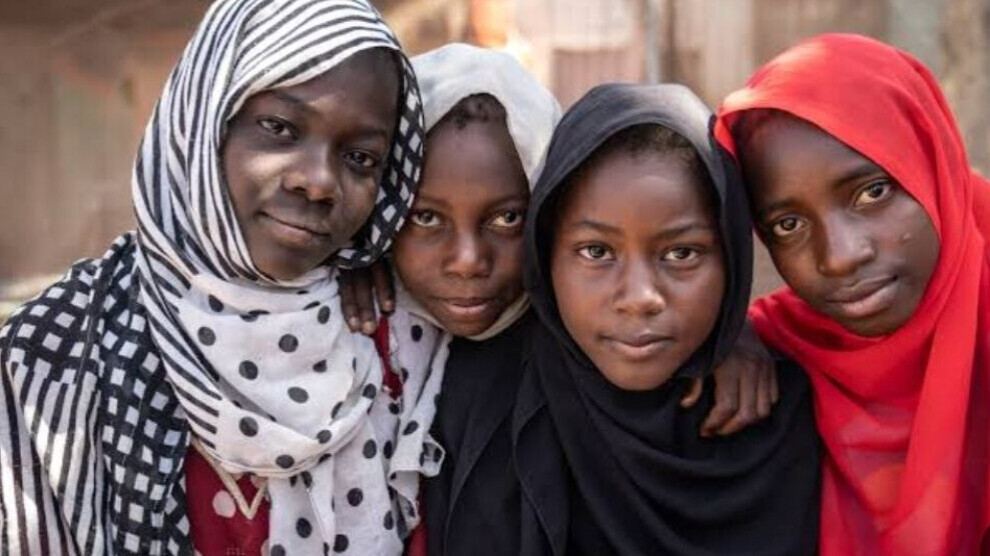
The assessment also revealed that the rate of child marriage rose from 9% before the conflict to 24%, as families marry off girls to reduce economic burdens. Additionally, 17% of women reported being forced into transactional sex in exchange for money, food, or other needs as a means of survival amid food insecurity and lack of income.
The report noted that 80% of households use improved water sources, yet 48% of these sources are contaminated. The situation is worse in East Nile, where 80% of families rely on unsafe shallow wells. Meanwhile, only 18% of households in Khartoum use improved sanitation, while 31% practice open defecation, a rate that rises to 46% in the Ombada area on the outskirts of Omdurman.
The assessment highlighted a sharp decline in waste collection services, dropping from 68% before the conflict to just 9% currently, leading to the spread of diseases, mosquitoes, and environmental pollution. This comes as more than one million people have returned to Khartoum out of the 3.7 million displaced since the conflict erupted in April 2023.
It further explained that only 43% of the 70 health facilities are currently functioning, with 13% providing inpatient services and 14% conducting safe deliveries. As of last September, fewer than 250 primary healthcare centers remain operational in Khartoum State, down from 600 before the conflict.
The average number of staff per health facility has dropped from 11.2 to 7.8 workers, with 62% working without salaries. Government funding covers less than 10% of operating costs, with the remaining support coming from volunteers and local communities.
The report also found that 70% of health facilities lack antibiotics, 85% face shortages of malaria medications, and only 15% have effective vaccine refrigeration, with vaccine spoilage reaching 23%.
Additionally, 45% of facilities have a water source, but only 27% receive continuous water supply. Facilities without running water recorded cholera infection rates 2.8 times higher than those with water Access.