
Haifa Majid: Organizations’ Activities Should Not Remain Confined to Closed Halls
Haifa Majid, President of the Shokh Organization for Women’s Capacity Development, affirmed that organizations activities should not remain confined to closed halls and official events but should expand to reach all segments of society.
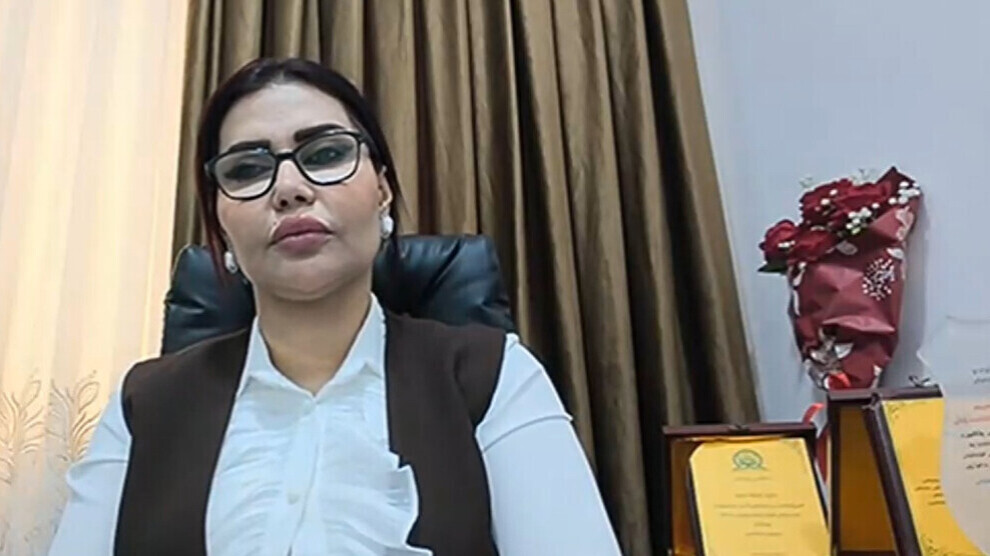
Sulyemaniyah_ At a time when violence against women is increasing, women’s organizations and relevant istitutions in the Kurdistan Region are working to raise awareness and provide support.
However, activists believe that these efforts require broader and more effective steps to reduce the spread of this phenomenon.
Violence against women remains one of the most prominent social issues in the Kurdistan Region, despite the existence of legislation and institutions concerned with women’s protection. However, many women continue to remain silent and not report cases of violence they experience, due to fear of social stigma or family pressures, in addition to weak awareness of legal rights and the continued influence of some customs and traditions that limit women’s ability to claim their rights.
Despite the role played by women's organizations in providing support to survivors of violence and raising awareness, the performance of some of these organizations faces criticism related to the limited scope of their activities and their failure to reach all segments of society, particularly in rural and remote areas.
Spreading Awareness Beyond Cities
Haifa Majid, Representative of the Garmiyan Administration for Women's Affairs and President of the Shokh Organization for Women's Capacity Development, stated that women in the Kurdistan Region have witnessed remarkable development in their roles over the past years. She explained that they were previously concentrated in agricultural and simple productive work, while today they occupy administrative and leadership positions, alongside their growing presence in trade and marketing.
She added that women's empowerment has been largely linked to the existence of active feminist organizations, noting that the establishment of the Kurdistan Women's Union by Hero Ibrahim Ahmed constituted an important milestone in the Kurdish women's journey, as it contributed to encouraging women to achieve economic independence, which enhanced their ability to confront various forms of violence.
She affirmed that women's organizations have played an influential role in cities and districts through defending women's rights and providing a safer environment for them, noting that the escalation of violence, killings, and burning of women has driven these organizations to expand their activities in the field of defending women's rights.
She explained that feminist organizations, despite their differing visions and mechanisms of work, share a common fundamental goal of raising community awareness of women's rights. She affirmed that spreading legal culture among men is no less important than raising awareness among women themselves, given its impact on reducing gender-based violence.
She also stressed that seminars and workshops should not be limited to activists or human rights defenders, nor remain confined to closed halls, but should extend to residential neighborhoods, villages, and remote areas, so that awareness messages reach women who cannot participate in official events.
She called for providing security protection for activists when implementing field awareness campaigns, explaining that some members of society still view the work of women's organizations negatively, which may expose activists to negative reactions or objections during their work, making support from security agencies an important factor in the success of these campaigns.
Awareness Is a Societal Responsibility
Haifa Majid affirmed that activists' outreach to the community and direct communication with citizens represent one of the most important means of spreading awareness. She noted that her organization, in coordination with security agencies, conducts field visits to a number of villages and remote areas to organize awareness campaigns targeting both women and men.
She added that it is essential to expand the scope of civil society organizations' activities to include schools and educational institutions, contributing to the entrenchment of a culture of respect for women's rights among new generations.
In conclusion, she stressed the need to increase the number of active civil society organizations in the Kurdistan Region, while continuing to implement field awareness campaigns. She affirmed that the activities of these organizations should not be limited to holding events in halls or merely publishing on social media, but must extend to cities, districts, and villages, to build a more aware society, free from violence, killings, and incidents of women being burned.