
Economic Crisis in Kuei: A Double Burden on Women
Women in Kuei emphasized that the ongoing economic crisis has significantly worsened their hardships, leaving them without salaries, limiting employment opportunities, and exposing them to heightened violence, discrimination, and social pressures
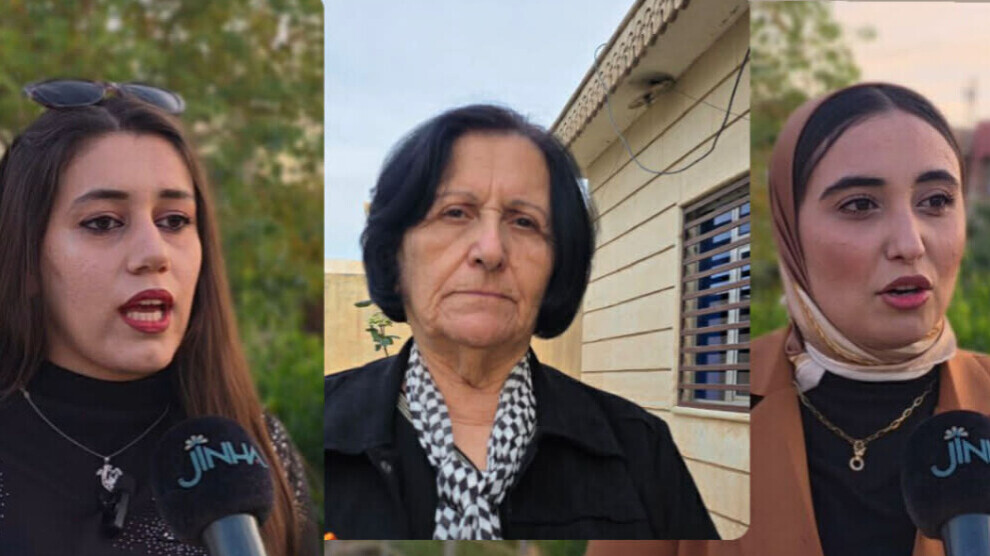
Shia Kuei
Kuei — Economic crises often leave deep and long-lasting impacts on women, affecting not only their financial situation but also their social and psychological well-being.
When income decreases and expenses rise, economic pressure within households intensifies, and women often bear the brunt of these pressures. Crises also limit job opportunities for women and restrict their economic participation, exacerbating discrimination and violence. Thus, an economic crisis becomes a multiplier of women’s rights violations, combining material hardship with social and psychological threats.
Shimen Rafiq, head of the Kuei Women’s Center, explained the consequences of the economic crisis on families and women: “The shortage of resources over the past two or three months has caused a real disaster. Every day, many women come to us complaining about the poor economic situation, saying their children go to school without proper fees because they cannot afford basic clothing and necessities.”
She added, “As a staff, we do not know what we can do. Like others, we do not receive regular salaries, and when salaries are distributed, they are shared among all of us. I hope the Kurdistan Regional Government recognizes the suffering of the people. The situation is extremely dire. The economic crisis is one of the harshest forms of violence against women; when children need medical treatment or medicine, not even the cost of a simple box of medicine is available.”
She questioned, “Where is the government? We cannot ignore the few wealthy people while the majority live in poverty. This is a catastrophe affecting the country, and people are living in harsh conditions. If the government does not address the people’s problems, even greater disasters will occur. There are many issues we cannot even discuss here. Ultimately, we hope salaries will be paid on time to prevent further deterioration, as the people are heading toward collapse.”
“The Financial Crisis Affects Us All”
Ashna Muhammad, a student at the institute, said: “Economic crises affect everyone, but women are impacted the most because they are primarily responsible for daily expenses. When salaries are not paid, women find themselves unable to meet their children’s needs, which often leads to family breakdown. Whenever a woman asks for financial support, she faces violence and other problems within the family.”
She added, “If the government reinstates salaries and provides women with job opportunities, it would alleviate the economic crisis and reduce instances of violence. When women have their own income, they do not need to depend on anyone else in their household.”
“Workplace Discrimination Leads to Continuous Violations”
Haida Shalk, a student, noted: “The economic crisis has negatively affected everyone. Nothing is functioning properly; even shop owners and merchants complain about the low number of customers and weak market activity. If the general situation is this bad, imagine the situation for women, who cannot work freely in all sectors due to social restrictions or threats, despite their hard work.”
She concluded, “It is essential to listen to women’s voices to understand their challenges both inside and outside the household