
Advocacy workshop to enhance psychological care for women victims of violence
A workshop in Tunis highlighted civil society's pivotal role in preventing psychological effects of violence by providing experts and resources and urged the state to prioritize training as essential to combating the phenomenon.
NAZIHA BOUSAIDA
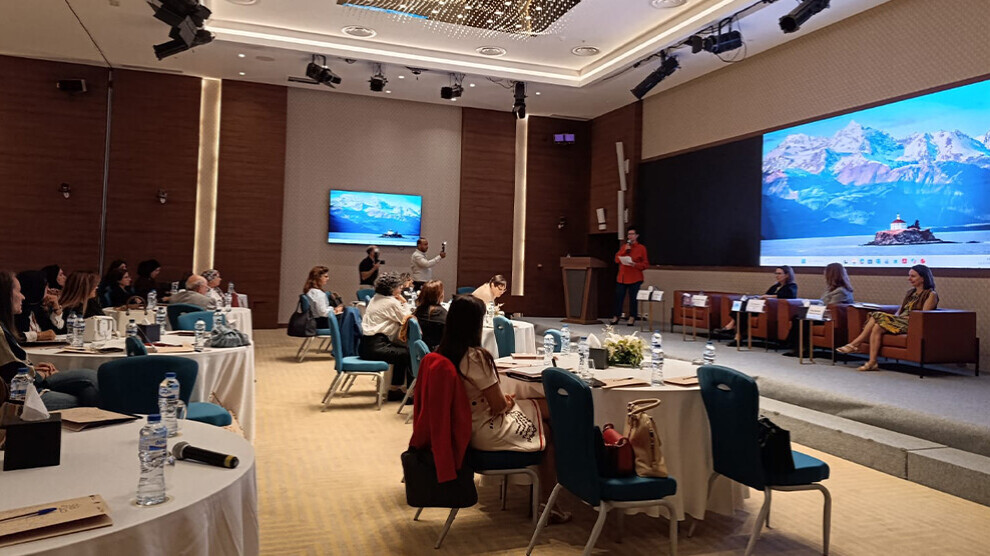
TUNISIA_Yesterday, Thursday, November 12, an advocacy workshop was organized in the capital, Tunis, to enhance psychological care for women victims of violence, in order to shed light on the pivotal role of specialized psychological support within the path of caring for them, and to strengthen coordination between health structures and civil society components.
Violence against women and girls is the most widespread human rights violation in the world, and it remains a very prominent phenomenon in Tunisia. The National Survey on Violence against Women for 2022 indicated that 84.7% of women have been subjected to at least one act of violence since the age of 15, and that 57.1% were subjected to violence during the 12 months preceding the survey.
Moral violence (psychological and verbal) is the most common form of violence at 49.3%, followed by sexual violence at 15.6%, economic violence at 11.4%, and physical violence at 5.3%, and 14.4% of acts of violence were committed in cyberspace.
This huge amount of violence of all kinds causes psychological effects on victims that require care, support, and mitigation. Within the framework of contributing to strengthening mechanisms for caring for women victims of violence, the National Office for Family and Population, in partnership with the "Sila" project, organized an advocacy workshop aimed at promoting referral to the Psychological Assistance Center in the Ben Arous governorate as a model center, and developing advocacy efforts to support this model and generalize it to other regions of the country.
Mental health centers and the importance of activating anti-violence services
On the sidelines of the workshop, the Director of Medical Services at the National Office for Family and Population, Dr. Fatma Temimi, told our agency: "The Office provides free services in 24 governorates through 26 centers, and women or young people are not asked to present an identity card or treatment card. Since 2006, anti-violence against women services have been introduced: screening, care, guidance, and protection of psychological, physical, and sexual health."
She added: "We have also opened a center for caring for women victims of violence, a specialized center located in the Ben Arous governorate, which includes psychologists, midwives, and a doctor who provide advice, and refer cases that need follow-up to hospitals and to forensic medicine to examine the type of violence and follow it up."
The role of society and all its segments in combating violence
She mentioned that within the framework of advocacy, "during this workshop we brought together all the structures with which we have partnership agreements, namely the Ministries of Health, Women, Interior, Justice, and Social Affairs as an essential party in follow-up paths. Our role is essential in raising awareness among youth and adults about not accepting violence under any name, and that the marital relationship is based on mutual respect."
She pointed to the importance of civil society's role in combating the phenomenon, as the Office coordinates with associations in all governorates, and even new associations have been engaged, on the grounds that victims sometimes trust civil society more than the state in clinics and reproductive health centers affiliated with us.
The necessity of collective work
For her part, psychiatrist Dr. Anisa Bouasker said at the outset of her intervention: "I must honor the late Dr. Ahlam Belhaj, who was a psychiatrist and worked extensively on combating violence against women and children within the Democratic Women's Association." She added that as a psychiatrist and member of the "Nibras" organization, which works on mental health, she believes in collective work between specialists and civil society in combating the phenomenon.
She indicated that she chose in 2002, when she was a resident doctor, to work on the issue of violence against women and its impact on mental health through patients at the Razi Hospital for Mental Health. However, she was met with astonishment, and she noticed that victims of spousal violence were not dealt with with specificity, but were treated on the basis that they were suffering from depression. Therefore, interventions were not successful, and the victim, when she returns home, returns to the same fate. But currently we have come to talk about it as a public health problem, because there is a relationship between violence and women's mental and physical health, and therefore understanding these things reduces treatment costs.
She concluded with the importance of civil society's role as a link that cannot be ignored in avoiding the psychological effects of violence against women, because it provides experts and capabilities that help, and urges the state to prioritize training as a fundamental element.