
11 Migrant Bodies Recovered off Libyan Coast
SOS Méditerranée found 11 decomposed migrant bodies off Libya amid a 111% rise in Mediterranean deaths despite fewer arrivals due to tighter European policies.
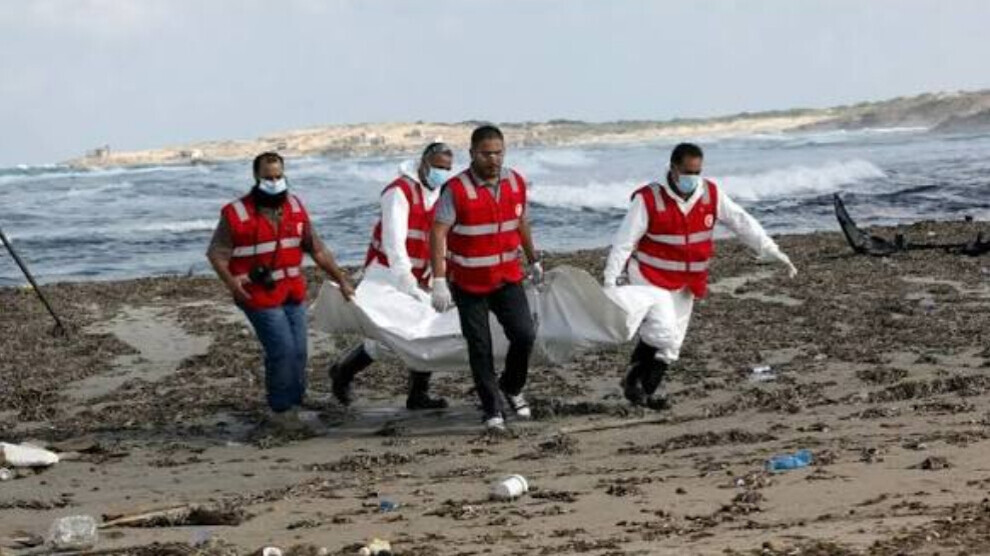
News Center— Migrant drowning incidents once again highlight the extreme risks they face across the Mediterranean Sea route, one of the world's deadliest irregular migration corridors, amid growing calls to activate urgent search and rescue mechanisms to reduce these recurring human losses.
In a new humanitarian tragedy reflecting the scale of the ongoing ordeal in the Mediterranean, the organization SOS Méditerranée announced today, Saturday, August 15, that it had found, in cooperation with the "Pilots for Humanity" initiative, 11 bodies of irregular migrants off the Libyan coast, in an advanced state of decomposition.
The aid organization's crew described the scene as "horrifying and shocking," with bodies found floating on the water's surface, some still wearing their clothes, while inner rubber tubes helped other bodies float, indicating that the victims had attempted to use them as makeshift lifebuoys before drowning.
The organization affirmed that the incident serves as a reminder of the humanitarian consequences of European deterrence policies toward migration, calling for the issue of Mediterranean Sea migration to be addressed from a humanitarian perspective.
For its part, the Italian Coast Guard reported that it received a notification regarding the bodies and informed the Libyan authorities, as they were within Libya's search and rescue zone, noting that the location is about 57 nautical miles off the coastal city of Zuwara.
Decline in Arrivals
Latest data from the International Organization for Migration (IOM) reveals a shocking paradox regarding irregular migration in the central Mediterranean during 2026, with death and disappearance rates reaching record highs despite a notable decline in arrivals due to tightened European policies.
According to IOM data, 821 migrants died or went missing during the first four months of 2026, representing a record jump with an increase of 111% compared to the same period in 2025. In contrast, the number of migrants arriving via this route decreased by 46%, stabilizing at approximately 8,577 people.
At the broader European border level, Frontex confirmed this decline, noting that total irregular crossings fell to approximately 178,000, a decrease of 26% compared to 2025. These conflicting figures confirm that tighter border measures have not prevented migrant flows but have pushed them toward more dangerous routes, making the Mediterranean one of the deadliest migration routes in the world.