
Escalation of security restrictions on Baloch students in Iranian universities
Iranian authorities have imposed restrictions on the departure of a number of Baloch doctoral students in universities located in the capital, Tehran, by preventing them from traveling outside the country without providing official justifications.
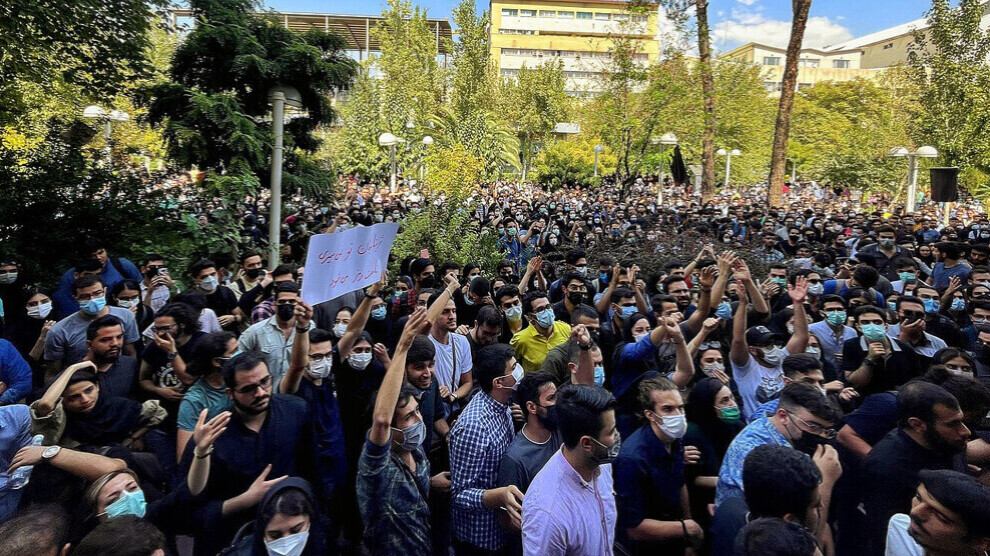
News Center – The measures imposed by Iranian authorities reflect the scope of security‑related interventions within academic institutions, reinforcing concerns about their potential impact on university independence and the freedom of scientific research.
Reports published by the "Balochistan Human Rights Documentation Network" indicate that in recent days, several Baloch students studying for their doctorates at universities in Tehran noticed that restrictions had been imposed on their departure after they went to carry out administrative tasks and inquire about their exit status from Iran.
According to the report, the students only became aware of the restrictions during administrative inquiries, without receiving any official order or prior notice. Sources close to the students indicate that no clear explanation was given regarding the reason for the ban, the issuing authority, or its duration.
The sources also stated that the relevant notices lacked legal details, including case numbers, judicial branches, and legal documents, which increased the students' concerns. The identities of these individuals have not been disclosed for fear of being summoned, arrested, or subjected to other security pressures.
Some students said that in addition to the restrictions on leaving the country, they are also concerned about their academic future, affirming that these pressures could lead to the suspension of their studies, expulsion from education, or restrictions on their scientific and research activities.
One student noted that after receiving the notice and inquiring, "we were only told that we are forbidden from leaving. No explanation was given for the reason behind this decision or the authority that issued it. Now our concern is not only about travel but also about our academic future and personal safety."
Some university sources say that a number of these students were planning to participate in study courses, scientific conferences, or international research collaboration, and now with the exit route from Iran closed, their activities have stopped.
These restrictions are imposed amid a tense security atmosphere in Iranian universities, unprecedented in recent months. Numerous reports have been published about students being summoned, interrogated, threatened, and deprived of education in various universities. Security agencies have assumed a more prominent role in managing and monitoring the university environment.
Baloch, Kurdish, and other ethnic and religious minorities have repeatedly reported being subjected to discriminatory attacks and security pressures in recent years. Human rights activists believe that these attacks are not limited to political activities, and that individuals' national or religious identity plays a role in increasing these pressures in many cases.
In some cases, students have faced security cases and judicial restrictions after being active in trade unions, attending protest marches, publishing critical material on social media, or even participating in cultural activities.
Legal experts say that the use of travel bans without transparent judicial procedures has become a common tool for pressuring civil society activists, journalists, academics, and students. In many cases, individuals only become aware of these restrictions when they go to the airport or when making administrative inquiries.
According to these experts, the lack of transparency in the process of issuing travel ban decisions deprives individuals of the possibility of effective appeal and leaves them in a state of uncertainty. These restrictions, especially those imposed on students and researchers, could severely impact their academic and professional futures.
Academic activists have warned that the continuation of this trend, in addition to increasing the atmosphere of fear and insecurity in academic environments, could lead to a new wave of elite migration and disappointment among the younger generation – a generation that no longer views the university as a space for education and research but as an environment subject to monitoring and security control.