
Unprecedented wave of repression in Iran... forced disappearances and death sentences on the rise
Human organizations warn that Iranian authorities are exploiting the post‑war atmosphere, internet shutdowns, and declining international attention to expand internal repression, carry out political executions, open security files against protesters, amid
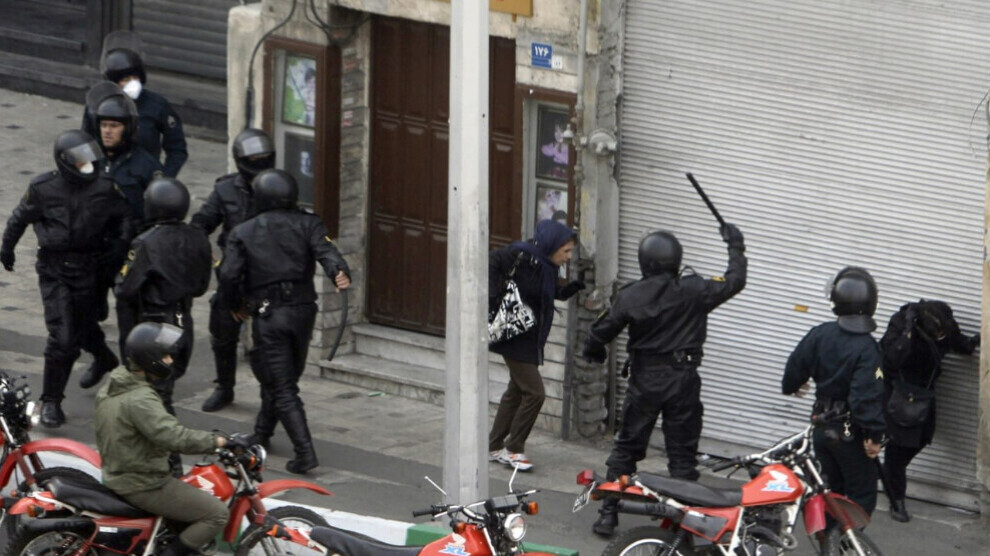
News Center – Concurrent with the ongoing security tensions resulting from the war and the fragile truce in Iran, reports from various cities indicate an unprecedented escalation in widespread arrest campaigns, forced disappearances, property confiscation, pressure on victims' families, in addition to an increase in harsh sentences against women and protesters. Human rights organizations have warned that Iranian authorities, exploiting the post‑war atmosphere, extensive internet restrictions, and declining international attention, have intensified the pace of internal repression and begun a new wave of security and judicial measures across the country, alongside an increase in politically‑motivated executions.
Over the past three days, reports from various Iranian cities have spoken of a wide wave of arrests, secret transfer of detainees, raids on citizens' homes, imposition of exorbitant bail amounts, flogging sentences, increased pressure on female prisoners, in addition to the killing of Baluch citizens in Mashhad, Sabzevar, Zahedan, Iranshahr, Saveh, Tehran, Sari, Shiraz, Semnan, Urmia, Qom, Karaj, Yasuj, Islamshahr, Nikshahr, Lar, Mahabad, Miandoab, Bandar Abbas, Ghezel Hesar Karaj, Dehdasht, Kazerun, and elsewhere.
The intensification of repression in recent weeks indicates that the Islamic Republic, in the post‑war atmosphere and regional crises, seeks to silence any protest voice through arrest, threats, fabrication of security files, and harsh sentences – a policy that particularly targets women, families of victims, political prisoners, and religious and ethnic minorities.
Many executions are carried out secretly without public announcement, and families are often subjected to intense pressure to force them to remain silent about the course of cases or the burial places of victims.
In the latest case, a graduate student in aerospace engineering was executed on charges of "intelligence cooperation with the Mossad and the CIA." Human rights activists affirm that this case lacks fair trial standards, and believe that the defendant's confessions were extracted under pressure and security interrogations.
At the same time, fears are growing about the possibility of death sentences being issued against a number of political prisoners, especially those detained in connection with the January protests. Human rights sources say that charges such as "waging war against God," "espionage," and "collaboration with Israel" have turned in recent months into tools for issuing harsh sentences and creating an atmosphere of intimidation.
The judiciary of the Islamic Republic also announced the execution of a Baluch prisoner accused of belonging to the "Ansar al‑Furqan" group and participating in armed attacks on security centers. According to the judiciary's claim, the sentence was based on "confessions" and security documents, but human rights organizations have repeatedly warned about the course of security cases, forced confessions, and the absence of fair trials in death sentences, especially against Baluch citizens.
Female prisoners facing security pressures and exorbitant bail
One of the most prominent reports over the past three days concerns the conditions of female prisoners in the security wing of Vakil Abad Prison in Mashhad – a wing that prisoners describe as the "wing of repression." Reports indicate that at least 30 women arrested in the protests are detained there.
A large number of these women have been in pretrial detention for months, and despite court orders for release on bail, their families are unable to pay the exorbitant amounts, reaching billions of tomans. Human rights activists describe this method as "judicial hostage‑taking," used, they say, to psychologically exhaust female prisoners and their families.
Among the detainees, the name of Sima Anbai Farimani, a poet and theater actress from Fariman, has emerged. She faces charges such as "leading protests" and "acting against national security." Informed sources say she lived in hiding for more than two months before being arrested by security forces.
Beh Beh Zahra Mosavi, 21 years old from Fariman, spent four months in solitary confinement. Those close to her confirm she was the sole breadwinner of her family, and her arrest has placed the family in severe economic hardship.
Zainab Mosavi, known as "Aban," along with her brother, faces the charge of "waging war against God," amid growing fears of a possible death sentence against her. Human rights activists say that the use of this charge against protesters has increased significantly, and many of these cases are based on forced confessions.
In the same wing, Mahsa Bahadori was arrested simply for lighting a candle on the graves of protest victims, while Azar Yahou Taragheh is detained on charges of "collaboration with Israel."
The sisters Asia Naemi and Adeleh Naemi were arrested only because of a phone call with a satellite channel. Reports indicate that Asia suffers from severe neurological disorders after her arrest, while Adeleh, who has a medical history of breast cancer, is in deteriorating health.
Marzieh Mashhadi has developed severe depression during her detention. Close sources say the pressures during interrogation and the long waiting period have worsened her psychological condition. An 18‑year‑old girl has been detained for about four months on charges of "acid attack" – a charge her family says is fabricated.
A woman named Azadeh is under severe pressure from interrogators because of a Hebrew tattoo on her neck, while Fatemeh Rezvanifar remains in prison due to her family's inability to pay exorbitant bail.
Najmeh Amini, a 23‑year‑old university student, was arrested after being severely beaten in Ferdowsi Market in Mashhad. She now faces charges such as "waging war against God" and "collaboration with Israel." Human rights organizations have warned that these charges may pave the way for a death sentence against her.
Continued pressure on families of victims demanding justice
In Sabzevar, security forces stormed the birthday ceremony of Abolfazl Baydar, one of the victims of the January protests, prevented the celebration, and arrested several family members. Among those arrested are Farzaneh Parvaneh, Elham Parvaneh, and other relatives of the victim. Reports indicate that the arrests were carried out violently, and the detainees were transferred to Torbat Heydarieh Prison, where they were denied the right to appoint a lawyer or make free calls to their families.
Human rights activists say that pressure on families of victims demanding justice has increased in recent months, and that authorities seek through arrest and threats to prevent the commemoration of protest victims.
From nighttime raids to field executions
In Zahedan, security forces conducted several raids on the Shahr Abad, Karim Abad, and Ba'ath neighborhoods over the past weeks. Residents say military vehicles enter neighborhoods at night, search homes without judicial warrants, and arrest or threaten Baluch youth.
During these raids, Starlink internet devices were confiscated, and several citizens were arrested simply for using unrestricted internet. Families of the detainees say they have no information about their whereabouts.
At the same time, four Baluch citizens were killed by direct fire from security forces in Iranshahr. Local sources report that after stopping the vehicle, security personnel fired at the passengers at close range to ensure their deaths. Reports indicate that the vehicle caught fire after the shooting, and security forces prevented residents from approaching the site.
Baluch activists describe this incident as a clear example of "extrajudicial killing" and affirm that victims' families are often pressured to prevent them from revealing details of what happened.
Secret transfer of prisoners and escalating forced disappearances
Numerous reports have also been received about the transfer of prisoners without notifying their families, which human rights organizations consider a form of forced disappearance. Akram Daneshvarkar and Azam Daneshvarkar, sisters of an executed political prisoner, were transferred from Qarchak Prison to an unknown location, and since then no contact or news has been received about their condition.
In Urmia, a political prisoner was transferred from prison to a security detention center weeks after his arrest, and his fate remains unknown. In Ghezel Hesar Karaj, about 100 detainees from the protests of recent months were transferred to Wing 37, which reports indicate suffers from severe overcrowding, restrictions on communication with families, and very poor detention conditions.
Continuous pressure on Baha'i women and civil activists
In Sari, Romina Kali, a Baha'i citizen, was arrested after her home was raided and transferred to prison on a pretrial detention order. During the arrest, security forces confiscated her religious books and digital devices.
In Semnan, Anisa Fanaiyan was re‑arrested to serve the remainder of her eight‑year prison sentence. Human rights activists say pressure on Baha'i citizens has increased in recent months, with many facing deprivation of basic rights, heavy sentences, and property confiscation.
In Shiraz and Kazerun, Maryam Darisi faces new prison and flogging sentences. She had been arrested several times previously, and civil activists say the repeated opening of cases against her is part of a policy of "judicial attrition" directed against dissenting women.
Sohaila Hejab remains detained in Karaj's Kojuyi Prison in a state of legal ambiguity. Reports indicate she is denied access to a lawyer and still suffers from physical and psychological effects from previous arrests.
Repression amid international silence
Human rights activists warn that internal repression in Iran has become marginalized amid preoccupation with political negotiations and regional developments. They say the Islamic Republic is exploiting the war atmosphere, widespread internet blackouts, and declining global media attention to intensify executions, expand arrest campaigns, and silence opponents.
These organizations believe that continued international silence may open the door to further politically‑motivated executions, the expansion of forced disappearances, and increased pressure on female prisoners, families of victims demanding justice, and ethnic and religious minorities in Iran.