
Report: Escalating conflict between Afghanistan and Pakistan exacerbates suffering of women in border areas
Amid escalating military conflicts between Afghanistan and Pakistan, women in border areas face severe restrictions on vital services, increased insecurity, and growing violence risk—a situation that could lead to a gender-based humanitarian crisis.
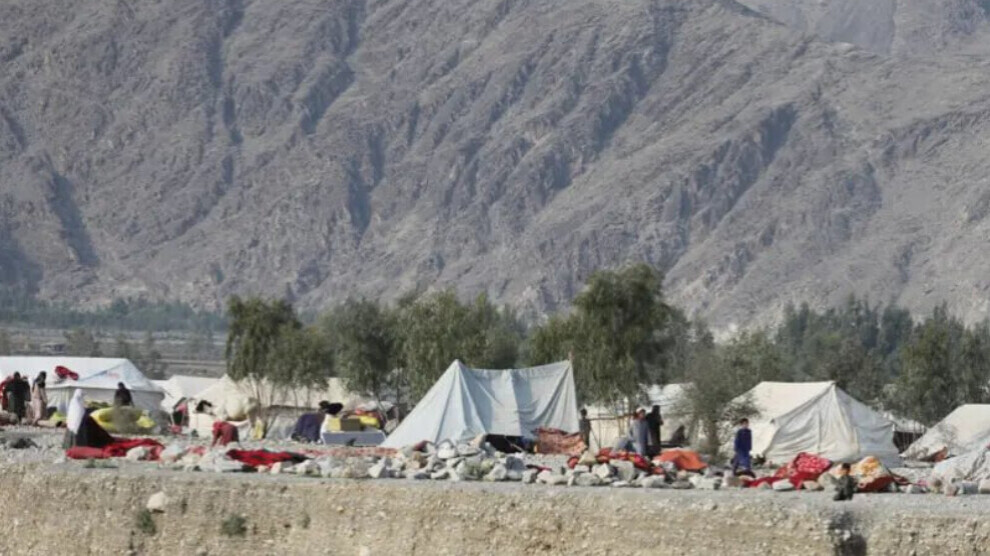
News Center _ The border regions between Afghanistan and Pakistan are experiencing a complex reality that directly impacts the lives of women and girls. Amid the lack of stability and the reduction of essential services women find themselves facing daily restrictions on their movement.
A new report by the United Nations Entity for Gender Equality and the Empowerment of Women (UN Women) has warned that the escalation of military conflicts between Afghanistan and Pakistan since late February 2026 has exposed women in border areas to multiple, disproportionate layers of pressure and has severely disrupted their access to vital services.
The report, published on April 12, is based on preliminary data collected by women's organizations, humanitarian activists, and an Afghan women's advisory group. It confirms that security restrictions have reduced the ability to fully assess the dimensions of the crisis.
The report concluded that the fighting, which included airstrikes, shelling, and ground clashes reported in eastern Afghanistan, has closed access routes and severely restricted civilian movement, placing additional pressure on women who already face structural restrictions on movement and work.
The report indicated that women's access to essential services, including healthcare, humanitarian aid, food, and water, has significantly declined. According to sources, insecurity and road closures have disrupted aid distribution, leaving many families in critical conditions.
Another section of the report warned of an increasing risk of gender-based violence. According to the findings, crisis situations can lead to an increase in early marriage, abuse, and other forms of violence against women, especially in households headed by women.
The report also highlighted the economic repercussions of the conflict, noting that the loss of income sources and limited job opportunities have made women more vulnerable to poverty. Under these circumstances, some families may resort to "negative coping strategies" such as child labor or early marriage to survive.
At the same time, local women's organizations and activists face serious security restrictions and a lack of resources, which has reduced their capacity to respond to the crisis. In this "gender alert," UN Women stresses that the available data is incomplete due to the ongoing conflict and limited access to affected areas, and that the real situation of women and girls may be "worse than reported."
The UN agency warned that if the fighting continues, the humanitarian crisis in Afghanistan's border regions will face deeper gender dimensions.