
1,661 days of school closures and warnings of dark days for education in Afghanistan
As Afghan girls' education deprivation hits 1,661 days, human rights criticism of the Taliban continues amid silence on post-sixth grade fate, with warnings that the ban deepens gaps and threatens millions of girls' futures.
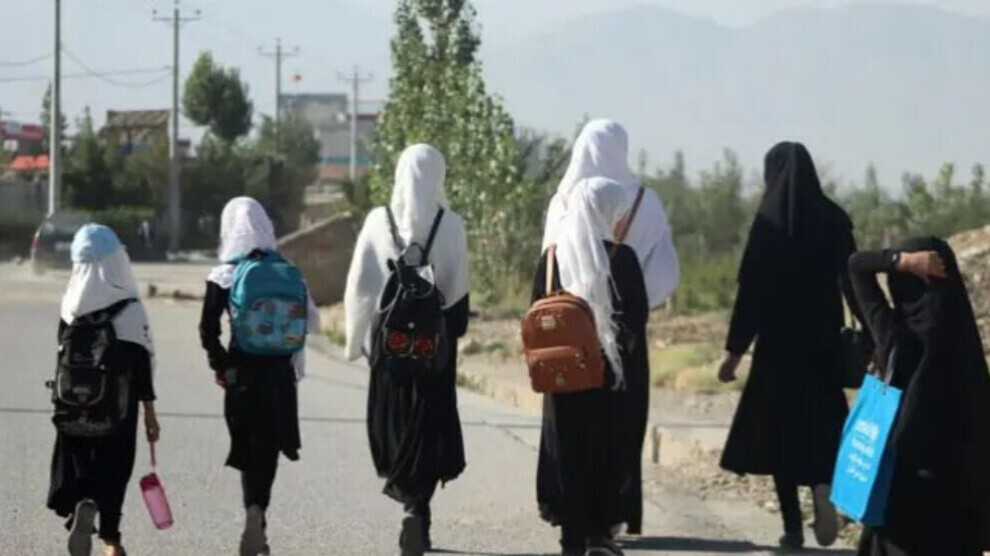
News Center — As thousands of girls across Afghanistan await the opening of closed school doors to return to their classrooms, the ongoing deprivation of education enters its 1,661st day, marking one of the longest education crises in the world.
As the Taliban continues its silence on the fate of girls' education beyond the sixth grade, the Afghanistan Human Rights Monitoring Organization, in a new statement yesterday, Wednesday, April 8, considered that this situation results from a lack of political will and weak effective international pressure, calling for immediate action to reopen educational centers.
The organization described the current situation as "dark days for education," warning that the systematic exclusion of girls from education is gradually becoming normalized. Amid the silence, it has become part of the established reality of society, noting that with each passing day, millions of girls are being pushed further away from their natural right to build an independent future.
For its part, Afghanistan Rights Watch criticized the continuation of this situation, addressing its words not only to the Taliban but also to the international community and institutions that claim to defend human rights, affirming that the absence of practical measures has contributed to the continuation of this deprivation. Part of its message read: "Another day Afghan girls are left behind closed school doors, their dreams suspended. Do not remain silent. This silence contributes to the continuation of injustice."
Criticism is mounting as the fifth school year begins in the coldest cities of Afghanistan without girls—an issue that shows that this ban is no longer a temporary decision but has become part of the governing structure, entrenching deep educational and social gaps.
After returning to power in August 2021, the Taliban suspended girls' education until "further notice," promising that this restriction would be temporary. However, after 1,661 days, not only has this promise not been fulfilled, but the scope of restrictions has expanded to other aspects of women's lives, from restrictions on work and education to their gradual exclusion from public life.
Reports indicate that women and girls in Afghanistan today face one of the most widespread forms of structural deprivation, a situation that experts believe has repercussions that go beyond the present and may affect future generations. Among these repercussions, which will worsen if this trend continues, are declining literacy rates, limited economic opportunities, and increasing social dependency.
Meanwhile, results from UN Women show that more than 90 percent of Afghan citizens support girls' education—a statistic that challenges Taliban officials' claims of societal opposition to this issue.
Education and human rights experts warn that the continuation of this situation is not only a flagrant violation of a fundamental human right but also contributes to the reproduction of cycles of poverty and inequality. They believe that continued silence and the absence of effective action will intensify this crisis and place Afghanistan on a path toward further isolation and structural underdevelopment.