
Yemeni Women’s Union: 2025, a Year Without Political Gains for Women
Despite political and economic challenges in Yemen during 2025, women remained excluded from decision-making, while civil society organizations provided support and empowerment amid violence and weakening protections for women’s rights.
Rahma Shanathour
Taiz — The year 2025 witnessed the continued decline of political gains for Yemeni women, amid the absence of supportive legislation, contrasted with the growing role of civil society organizations in protecting women and empowering them economically and socially, despite the challenges posed by war and the economic crisis.
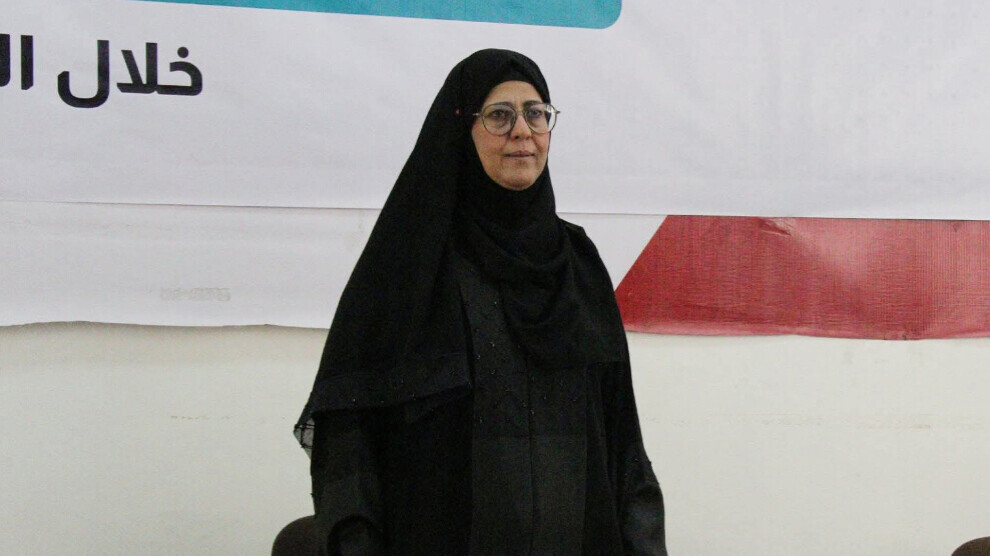
The Acting Director of the Yemeni Women’s Union, Sabah Rajeh, confirmed that 2025 did not bring any real political gains for Yemeni women, noting that women’s status this year did not differ from previous years due to the lack of legislation and decisions that would enable women to access decision-making positions.
Sabah Rajeh stated that speaking of political gains for women in 2025 is “inaccurate,” explaining that women remain in the same positions they have occupied for years, without reaching influential political platforms, nor have any laws or policies been issued to enhance their political participation or grant them real privileges or opportunities in the public sphere.
She explained that “no legislation serving women was issued during this year, nor any decision enabling them to reach decision-making positions. Their political presence remains constrained by the will of the authorities, rather than guaranteed by a clear constitutional or legal right.”
In contrast to this official absence, she noted that civil society organizations—foremost among them the Yemeni Women’s Union—have played a pivotal role in supporting women and providing services across multiple areas, including peacebuilding, empowerment, awareness-raising, legal support, and judicial advocacy.
She explained that the Union has served as a safe haven for women subjected to violations, particularly in cases of blackmail and violence. Many women have been able to claim their rights through the Union, whether in inheritance, custody, visitation, assault, or blackmail cases, achieving positive outcomes through the courts and prosecution offices.
She also confirmed that the Union, in partnership with other organizations, has worked on preparing documents and advocacy initiatives to demand women’s inclusion in power and decision-making positions. Although these demands have not yet been realized, efforts to advocate for this right continue.
Economic Empowerment Amid War
Sabah Rajeh pointed out that the Yemeni Women’s Union has placed significant focus on women’s economic empowerment under the exceptional conditions imposed by war, as many women have become the primary breadwinners for their families.
She stated that the Union worked to qualify and train women and then support them with small projects that helped them achieve a degree of self-sufficiency and support their families, despite the difficult economic situation and ongoing conflict. She added that these efforts, alongside those of other civil society organizations, have contributed to creating a tangible impact on women’s lives, despite limited resources.
She addressed the most prominent challenges facing the Union’s work and women’s situation in general, foremost among them the decline in donor support, which has led to reduced activities and an inability to implement programs as required.
She also pointed to the continuation of the war and the siege on the city of Taiz, the deterioration of the economic situation, rising living costs, and irregular salary payments in many areas, emphasizing that women bear the greatest burden of these crises.
Among the major challenges she highlighted is the failure to implement international decisions and conventions ratified by Yemen concerning women’s rights, in addition to the rise in violence against women and the emergence of new issues such as electronic blackmail, in the absence of clear legal legislation to address this type of crime.
Violence Escalates… Women Most Affected
Sabah Rajeh confirmed that rates of violence against women are steadily increasing, both in Taiz and across Yemen, noting that daily violence is intensifying due to economic conditions, conflicts, instability, and the absence of deterrent laws.
She said that women remain the group most vulnerable to violations, whether within the family or in society, calling for the urgent issuance of legislation to protect women and for international support and pressure to ensure the implementation of such laws.
She addressed a message to Yemeni women, urging them to be strong and self-confident and not to surrender to voices that diminish their role or attempt to weaken their presence. She emphasized that cumulative work and building a strong community base are what endure in the long term.
She also called on families to recognize the importance of educating girls and granting them trust and support, considering education the most powerful tool to protect women from exploitation and blackmail and to enable them to confront challenges.
Addressing society, she said: “Women cannot be protected by isolating them within four walls, but by involving them in society and in shaping change, so that they remain close to reality and capable of dealing with it without shock or marginalization.”
Yemeni Women’s Union… A Continuing Historical Role
Sabah Rajeh concluded her remarks by affirming that the Yemeni Women’s Union has been and continues to be the primary launching point for Yemeni women. It continues to play its role in community awareness, combating child marriage, and promoting education, health, and women’s rights, despite all the challenges imposed by war and declining support. She expressed her hope that 2026 will be better and will witness real steps toward the political and legal empowerment of women, in a manner befitting their status and role in society.