
Women of Kobani: Political Integration Is a Gateway to Guaranteeing Kurdish Rights in the New Syria
The SDF Interim Government integration enters a critical political phase, as Kurds demand constitutional rights, identity safeguards, and a democratic, participatory Syria.
NOURSHAN ABDI
Kobani — Women of Kobani, Rojava, affirmed that the phase the Kurdish people are going through—particularly within the democratic integration process with the Syrian Interim Government—is a phase of determining the Kurds' fate in the country. They noted that this phase, as initial steps, is somewhat positive but requires more resistance and struggle from the Kurdish people.
Since the announcement of the agreement on January 29 between the Syrian Democratic Forces and the Syrian Interim Government, practical steps have begun to implement the integration of military, security, and administrative institutions of the Autonomous Administration within state institutions, while affirming the preservation of the Kurdish people's identity and guaranteeing their political, cultural, and national rights.
On August 20, 2026, SDF Commander‑in‑Chief Mazloum Abdi announced that the military and security integration phase had been completed, moving the process to a new phase focused primarily on political work. This phase is of great importance to the Kurdish people, as it aims to consolidate their existence and rights in Syria and ensure their recognition within the new Syrian constitution, thereby establishing a genuine democratic partnership and guaranteeing the rights of all components of the country.
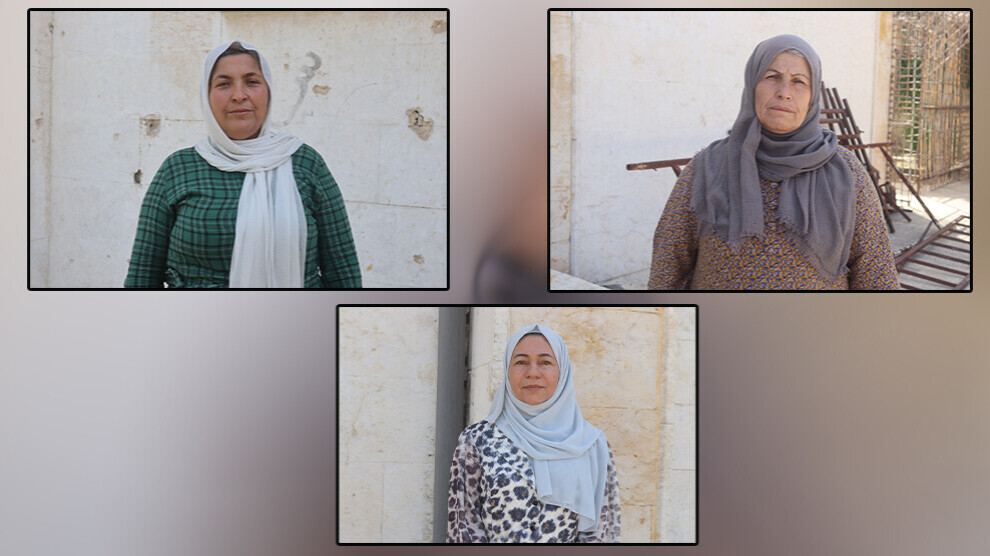
In this context, our agency conducted interviews with a number of women from Kobani to learn their views and positions on these political and military developments, and to understand their vision for the region's future and the Kurdish issue amid current changes.
"A Phase of Determining the Kurdish People's Fate in Syria"
Hadla Hassan said that the Kurdish people in Syria are going through a sensitive and decisive phase that can be described as a phase of determining the Kurds' fate in the country. She pointed out that the region and the Kurdish people have recently witnessed tangible political and military developments on the ground, resulting from a series of agreements, meetings, dialogues, and discussions between the leaderships and administrations within the SDF and the Autonomous Administration on one side, and the Interim Government in Syria on the other.
She added that the integration decision was among the most prominent steps that left an impact on the region's residents. She explained: "According to what we read about the current phase, we find that this step comes, to some extent, in the interest of the Kurdish people." She noted that since assuming power, the Interim Government had put forward a vision based on a unified Syria in terms of language, culture, and identity, which was accompanied by "pressure on areas in northern and eastern Syria to abandon their Autonomous Administration and its gains."
She pointed out that "what we have reached today is the result of our resistance and struggle to preserve our identity and existence as a Kurdish people in Syria, and to ensure recognition of these rights and gains within the new Syrian constitution."
She noted that "we cannot deny that, despite all the new developments in this phase, many shortcomings remain, which face clear criticism from the people, who demand amendments that align with their aspirations, along with granting clear identity and rights to the Kurdish people and Kurdish areas."
She stressed that the struggle of Kurdish women continues to preserve their identity, gains, and rights: "When women were not present in administration and leadership positions, there was no sufficient defense of women and their rights within society, so we will continue our struggle to preserve our gains and the values for which our martyrs sacrificed."
Hadla Hassan added that the integration process with the Interim Government is ongoing, but she stressed the need for this process to be based on democratic foundations that guarantee the Kurdish people's rights.
"Through Our Struggle, We Will Preserve Our Martyrs' Sacrifices"
For her part, Najma Kanjo said that the Kurdish people have experienced throughout their history many violations, massacres, and policies of genocide. "Since the July 19 Revolution until today, we as Kurds in Rojava have resisted and struggled to achieve our goals and attain our rights in this country. Thanks to the sacrifices of our martyrs for this land, we have been able to achieve many gains on various political, military, and economic levels. Today, we are rights‑holders in Syria and demand our rights as citizens within the Syrian constitution."
She stressed that reaching the current phase was not easy. "Throughout our journey in Rojava, we faced many obstacles and were subjected to injustice and massacres. Today, we are going through a political phase involving many discussions and points that provoke public anger."
Najma Kanjo emphasized the need for the integration process to take into account the Kurdish people's identity and history: "Within the integration phase, there must be special treatment of Kurdish citizens, given what we have endured over the years. The time has come for us to live in peace and security in our country."
She added that documenting and guaranteeing these rights in the new Syrian constitution would constitute a fundamental step toward building a democratic Syria, affirming that "guaranteeing the Kurds' rights to education in their mother tongue and respecting their identity will contribute to achieving a democratic Syria that embraces all its components."
"We Must Increase the Pace of Our Political Struggle to Secure Our Rights"
Leyla Ahmed explained that taking up arms was not a choice born of desire, but came with the aim of protecting the region's people and defending rights and identity. "When we took up arms, it was not out of love for them, but for protection and defense of our rights and identity. Today, we are facing a phase in which we seek to secure our rights legally and constitutionally."
She considered the political path to be "the best solution for Syria," noting that this path would consolidate democracy and participatory governance, based on the fraternity project initiated by the region's peoples.
Leyla Ahmed explained: "The people may not fully grasp the importance of the political path at this stage, but this represents a new form of struggle." She noted that the great sacrifices made for freedom and rights now require a transition to a new phase of struggle aimed at preserving the revolution's gains and consolidating them legally within the constitution, ensuring that the Kurdish people remain an active part of Syria's future.