
The Political Struggle of Women in Algeria: Obstacles Limiting Progress
Political participation of Algerian women fluctuates between marginalization and attempts at empowerment, revealing a persistent gap between legal texts and practical reality, and challenges hindering effective female presence in dicision-making.
RABIA KHARIS
Algiers — Despite the presence of women in Algerian political parties thanks to laws that mandate their representation within party structures, their actual participation remains limited due to structural challenges, most notably women's reluctance to engage in political work because of social constraints, family burdens, and weak political training programs.
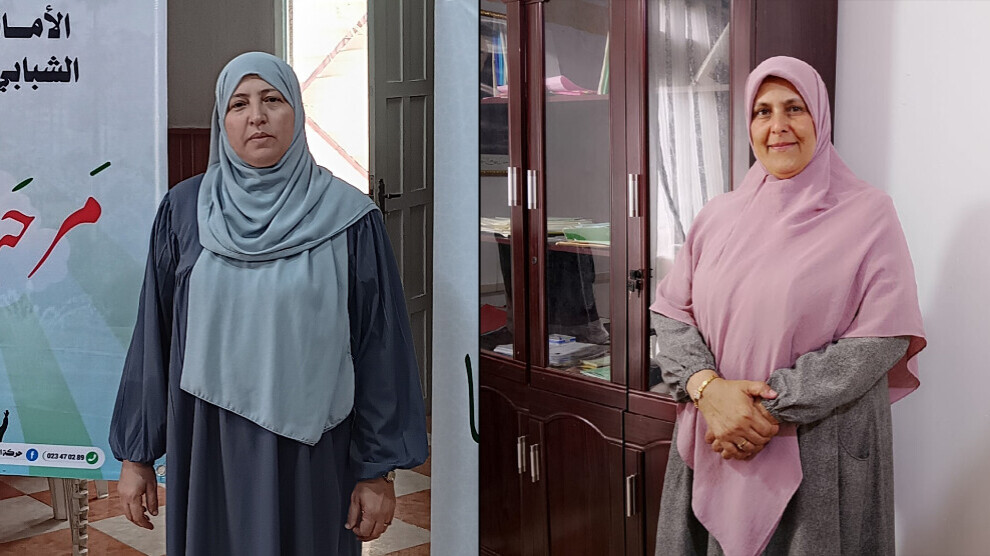
Radiya Bouchamat, a member of the national bureau of the Algerian Renaissance Movement (Harakat Al-Nahda) responsible for the secretariat of women and family affairs, is one of the Algerian women who has lived through various eras of political struggle, from the opening to multipartyism to the present day.
She recalled the reality of that period, saying that when she was young, "women had no participation or presence in elected councils, whether local or national." She then referred to the elections of July 5, 1997, affirming that the electoral lists at that time were "completely devoid of women."
Today, after nearly three decades, the situation appears completely different in her assessment; she believes that the laws regulating political work have brought about a clear transformation. She cites a set of legislations that have strengthened the principle of equality and protected women's rights, such as Articles 35 and 37 of the Algerian Constitution, which stipulate full equality between the sexes and guarantee the participation of female citizens in public life. She also points to Article 59, which obliges the government and parties to promote the political rights of women and expand opportunities for their representation in elected councils.
In this context, she highlighted the problematic trajectory of women's political participation in Algeria and raised fundamental questions about the extent to which current laws can reflect an actual and sufficient presence of women within political parties and decision-making positions. She wondered whether the decline in women's representation in parliament and local councils is due to a lack of competence or to other factors that deserve study and highlighting.
She explained that supportive legislation, despite its importance in motivating and encouraging women to engage in political work, has not yet achieved a strong and effective representation of women at various levels of political life. She noted that this weak presence is not related to women's abilities; they have proven their competence in multiple fields such as education, medicine, law, and even finance and business, which means that other reasons lie behind the limitation of their political participation.
Causes of Political Reluctance
Radiya Bouchamat attributes women's distance from political work to three main reasons. The first is weak awareness of the importance of women's political participation and the necessity for them to take the initiative to raise their issues within decision-making institutions, as they are best able to convey their real reality. The second reason is the lack of political training and qualification; many women lack basic knowledge of the constitution, laws, the duties of elected officials, as well as communication and public speaking skills, in the absence of serious programs to qualify them within parties and organizations. The third reason is the societal view that still confines women and considers political work a field that requires broad presence and boldness in confrontation and communication, which creates apprehension among some women about embarking on this path.
What is required today from parties, in her view, is to move from exploiting women's presence during electoral occasions to their genuine and permanent empowerment, as essential partners in development and pivotal pillars for advancement.
From Marginalization to Effectiveness
For her part, Zouhia Khalifi, a leader in the Justice and Development Front and a candidate in the upcoming parliamentary elections, says: "Women's political participation is a social necessity due to their important and distinguished role in all fields. For effective participation, women need intellectual, legal, and organizational preparation in order to contribute effectively to decision-making circles and the management of public affairs, to spread awareness and build leadership competencies."
However, she believes that "in reality, there is no attention to this matter, which determines women's true status within legitimate and legal frameworks that qualify them to perform their tasks in the best possible way. Therefore, attention must be paid to this important station for the proper functioning of the political wheel in our homelands. Competencies are built through knowledge, learning, and legitimate politics based on truth and justice, which does justice to women so that they may assume high positions just like men."
Despite the limited empowerment and the persistence of a demeaning view that confines women to a domestic role limited to cooking, cleaning, and raising children, Zouhia Khalifi affirms that she has managed to overcome all these obstacles and that she has proven her presence and distinction within society.