
Syria at a Crossroads of Destiny Amid Complex Political Challenges
Afreen Mohammed said Syria is at a decisive moment, noting exclusion still blocks aspirations, and that the solution is activating the March 10 Agreement and drafting a new, inclusive constitution.
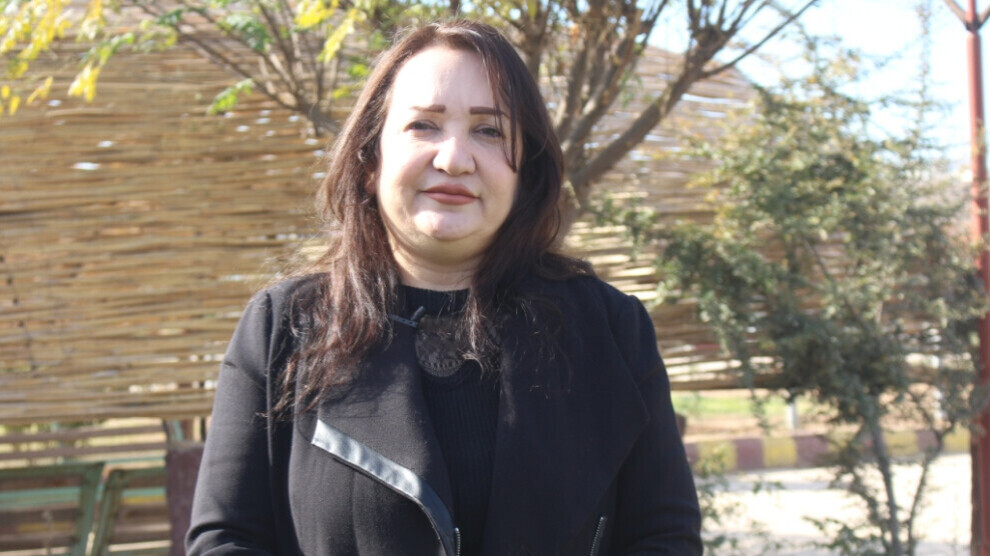
Roneida Haji
Al-Hasakah -A full year has passed since the fall of the former regime in Syria without any tangible change being achieved. Instead, policies of exclusion and massacres have continued, further increasing the suffering of the people. This year has revealed that the absence of real reform has kept the country trapped in its crisis rather than opening a door to hope.
Syria, and the region in general, are going through a sensitive and complex phase described as a stage of determining destiny. In this context, the Co-Chair of the Future Syria Party, Afreen Mohammed, clarified the most prominent ongoing political developments, highlighting the challenges and prospects facing the current stage.
Afreen Mohammed confirmed that December 8, 2024, represented a pivotal moment for the Syrian people, as it is viewed as a symbol of the end of an era of injustice and tyranny. However, policies of “marginalization and exclusion” are still present in the current government. “December 8 coincides with the anniversary of the fall of the former Syrian regime, the authoritarian regime that burdened Syrians for many decades,” she said.
She added, “After its fall, the people looked forward to a better future, and the transitional government was expected to overcome the mistakes committed by the former regime through its repressive and exclusionary policies. Sadly, the policy of marginalization practiced today does not represent a solution, but rather a continuation of ignoring the suffering of Syrians.”
She stressed that the March 10 Agreement represents a fundamental milestone toward bringing Syria out of its crisis. “The Syrian people consist of diverse components, and the transitional government must acknowledge diversity and adopt decentralization. It must realize these facts, place them at the core of its priorities, and understand that the interest of the Syrian people lies in activating the March 10 Agreement as a decisive step toward ending the current crisis.”
Afreen Mohammed also pointed to the prominent role played by women since the outbreak of the revolution until the fall of the former regime, affirming that the Syrian people today are in urgent need of a new constitution that keeps up with their aspirations. “The mentality of exclusion is no longer acceptable. A people who have tasted the meaning of freedom and democracy cannot return to the era of tyranny.”
She added, “Syria needs a modern constitution written with the participation of all its sons and daughters without exception. The role of women in its drafting must be taken into consideration, as they were essential partners in reaching this stage. Without the active participation of women, a new Syria based on justice and equality cannot be built.”
She explained that a year has passed since the transitional Syrian government began its work without this being reflected in real achievements on the ground. The Syrian interior has witnessed massacres and more dangerous exclusionary policies. “We have faced a policy based on exclusion, refusal to listen to other opinions, disregard for different viewpoints, alongside hate speech. With such policies, we will not reach the Syria that its people aspire to. Today, the people are living a stage of progress and change, and therefore these practices are no longer acceptable at all.