
No Protection, No Justice…Impunity Threatens Women’s Lives in Turkey
As femicides and suspicious deaths rise, activists in Van (Wan) warn that impunity and institutional neglect endanger women’s lives, urging stronger protection mechanisms and accountability for perpetrators.
MEMEHAN HELBIN ZEYDAN
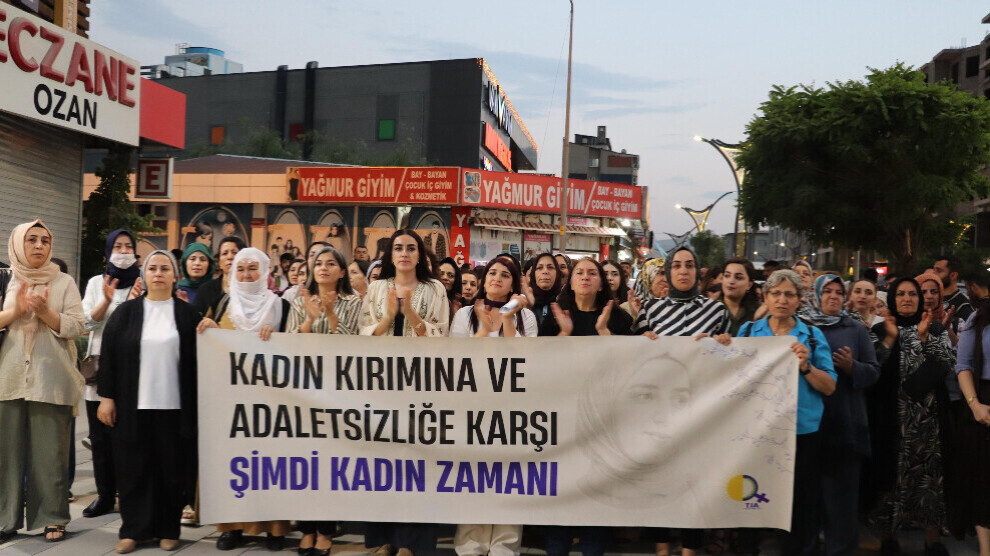
Van_Women in North Kurdistan and Turkey face the risk of murder as they go about their daily lives. With new women added to the list of victims every day, some women’s deaths are recorded as “suspicious,” and perpetrators, benefiting from the impunity policies of the judicial system, can return to society.
Following Turkey’s withdrawal from the Istanbul Convention, Law No.6284 is no longer effectively applied. Perpetrators, emboldened by the judiciary and the state’s patriarchal mentality, continue to threaten another woman’s right to life every day.
According to data from the "We Will Stop Femicides" platform (KCDP), 150 women were killed during the first six months of 2026, while 151 women died under suspicious circumstances. According to violence statistics published by JINNEWS, 25 women and one child were killed by men in the month of July alone, while 27 women and two children died under suspicious circumstances.
Among the victims are women who lost their lives in violent and suspicious circumstances, including a woman who was burned inside her car. Other women face multiple forms of violence, the repercussions of which may lead to suicide or death under unclear circumstances, as a result of harassment, rape, and physical violence they experience.
Women's suffering does not end with exposure to violence; those who file complaints face further obstacles before the judiciary and protection authorities. Feminist activists believe that these mechanisms do not always provide adequate protection for women, leaving them to face violence on one hand, and a system that exacerbates impunity on the other.
“Women Are Being Isolated from Society”
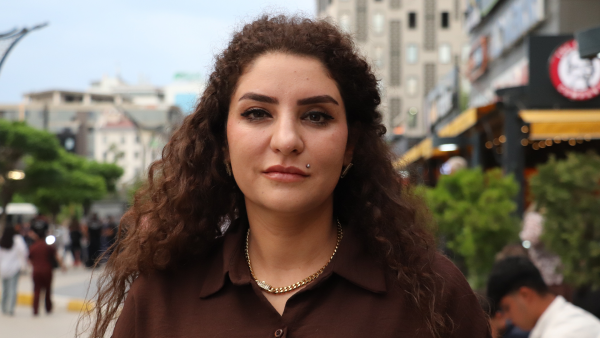
Pınar Kutfi, a member of the Star Women's Association, stated that they face news of women being killed every day. "We rise up every day against policies that defend crime and acquit criminals, and we try to raise our voices through our cries in the squares for the women who have been killed."
She believes that policies of impunity must be ended, and that perpetrators should not be protected—rather, women should be protected and educated. "As women's associations, we will remain in the streets every day, and we will raise our cries louder and louder every day. Because the massacres that occur through attempts to intimidate women are being covered up. Even when a penalty is imposed, it is not deterrent. Women do not receive adequate protection; they are left alone, while the perpetrator is glorified. In this context, I believe the constitution needs renewal, a return to the Istanbul Convention is necessary, and deterrent penalties must be imposed on perpetrators."
Pınar Kutfi emphasized that women must not remain silent and must unite. "We must come together around women's associations." She explained that "every week we hold marches in different places under the slogan 'Women's Time.' We must not remain silent, we must not hide what is happening, and we must not be afraid."
She affirmed that "as long as we remain silent, we will not find a solution or a way out. This is what is happening in society today—women are being subjugated and forced into silence through intimidation. Sometimes the violence a woman has experienced only emerges by chance after months or years, and by then we have lost women and young girls. Therefore, women must not abandon their struggle."
“All Women Must Unite and Raise Their Voices”
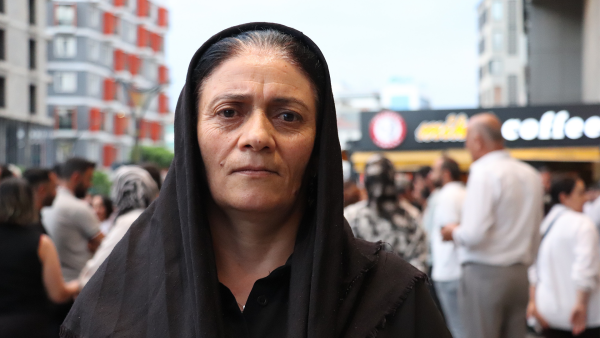
For her part, Reyhan Kaplan stated that normalizing femicides is unacceptable. "When someone says 'I am Kurdish,' they are sentenced to life imprisonment, while those who kill women and deprive them of life face no penalty whatsoever."
She added: "A woman is killed because she wanted to study, or because she held onto her freedom, yet the perpetrator goes unpunished. The women who have been killed are killed by the hands of the state. My daughter studies in Muş, and every day I worry: How did she get there? How did she return? Therefore, penalties must be imposed that make others fear committing such acts, rather than emboldening them. So that no one even thinks of committing them."
She believes that the judiciary, in its current approach, returns criminals to integration within society. "My call to all women: let us rise up and raise our voices against these massacres. I say this for all women of the world. We have reached a stage where we fear educating our children."
Impunity and Institutional Neglect
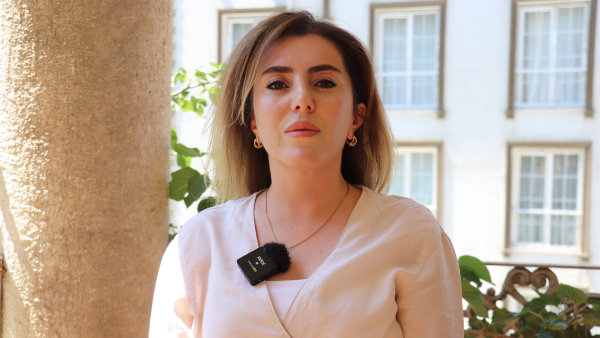
Meryema Aslan, an activist in the Free Women's Movement (TJA), also affirmed that recent events show that women's and children's right to life, bodily integrity, and access to justice have become seriously threatened. "We are not only talking here about violence that occurs on the street or inside the home. We must also talk about how the rights of a child who has been sexually assaulted are protected during the process of taking their testimony, how access to justice becomes more difficult because a person is a migrant, and how the safety of a woman detained in a deportation center can be ensured."
She stated that "all these cases make us question: Are the institutions responsible for protecting women actually fulfilling their duties?" The woman who was burned to death inside a car in Siverek, the 15-year-old Syrian girl who is said to have been sexually assaulted in Kocaeli, and the German activist Paula May who reported being raped in a deportation center—we do not see these cases as separate files.
She believes that each has its own circumstances, but there is a common truth among them all: "the violence practiced on women's and children's bodies, and the impunity and institutional neglect that appear in the face of this violence, continue."
Meryema Aslan emphasized that demanding justice after women are killed is no longer enough. "We want a system where women are not killed, are not subjected to violence, and where the state does not cause them further harm when they are subjected to violence. We demand an effective investigation, a genuine protection mechanism, and an end to impunity."