
Moroccan Demands to Strengthen Women's Representation Amid Calls for "Free and Fair" Elections
Debates on women's political participation reveal persistent equality gaps in electoral programs, urging the integration of gender approaches into public policies.
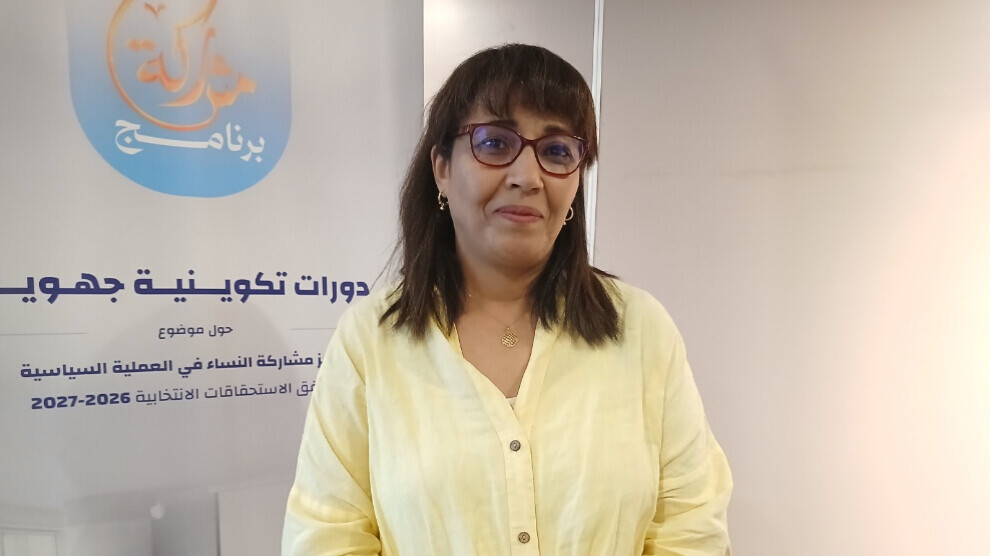
Morocco — As Morocco prepares for the legislative elections scheduled for September, demands from the women's movement are escalating for the inclusion of equality between women and men at the heart of political parties' electoral programs. The upcoming elections are seen as a test of political actors' commitment to translating constitutional principles into implementable policies, amid ongoing debate about women's representation in elected institutions and mechanisms to enhance their participation in decision-making.
In this context, the Democratic Association of Women of Morocco called on political parties to adopt a gender approach when preparing their electoral programs, following the dispatch of correspondence to various parties accompanied by a study on "The Status and Position of Women in Political Parties' Electoral Programs for the 2021 Elections."
The Association affirmed that the study, based on gender assessment tools, revealed a clear disparity in the extent of parties' attention to women's issues. It also showed that the principle of equality between women and men remains absent from electoral programs as a foundational pillar, in addition to the limited integration of women's rights within political visions and parties' strategic objectives.
The Association considers that this reality does not align with the 2011 constitution, which established the principle of equality and sought to strengthen parity, nor with Morocco's international commitments in the field of human rights. It called for the inclusion of women in the preparation of electoral programs and the integration of a gender approach in various public policies, rather than treating women's issues as a separate file.
Speaking about the upcoming elections, politician Jamila Ayouko said that the upcoming elections should see an increase in the number of women candidates and elected officials, considering that broad women's participation represents an essential entry point for achieving parity.
She added that the quota system remains a transitional mechanism that has contributed to improving women's representation, but it is not an end in itself. The ultimate goal remains achieving genuine equality that allows women to compete and access parliament and decision-making positions on an equal opportunity basis.
She affirmed that achieving this goal requires coordination between political parties, the women's movement, and civil society organizations, alongside the organization of "free and fair" elections. She considered that the persistence of electoral money and certain practices she described as improper affects, in her view, equal opportunities and citizens' trust in the electoral process.
She called on parties to commit to implementing the programs they present to voters after reaching government, considering that linking electoral promises to accountability would restore citizens' trust, especially young people, in elected institutions.
She called on young people, particularly young women, to engage in political work with conviction and knowledge of party programs and orientations, affirming that women possess the necessary competencies to assume positions of responsibility, and that enhancing their participation remains one of the essential conditions for consolidating democracy and equality.
The current legislative term includes 96 women out of 395 members in the House of Representatives, approximately one-quarter of the chamber's members—the highest percentage of women's representation in the legislative institution since the adoption of mechanisms aimed at enhancing their presence. However, the women's movement believes that this numerical progress has not been reflected to the same extent in leadership positions within parties or in the content of electoral programs, as it continues to demand a transition from numerical representation to genuine participation in decision-making.
This debate comes amid the women's movement's continued demand to move from enhancing women's numerical presence in parliament to expanding their participation in decision-making positions within parties and elected institutions, and making equality a central pillar of public policies, with the approach of an electoral milestone that will shape the contours of Morocco's political landscape in the coming years.